Neurologist Conrado Estol: "To Stay Mentally Active at 80, Do What You Did at 40"
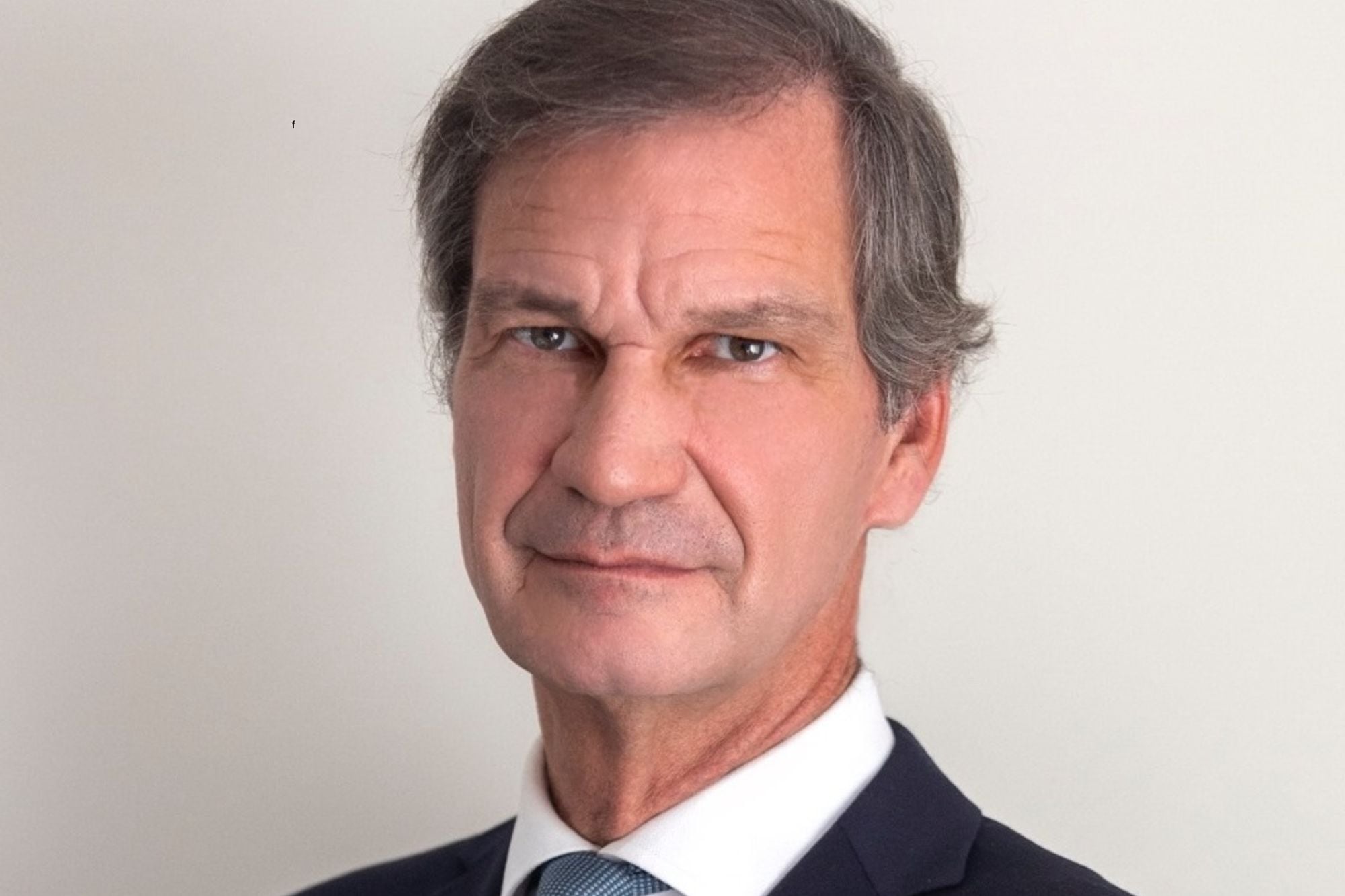
Neurologist Conrado Estol, in an exclusive interview with LA NACION, outlined key steps for healthy aging, emphasizing that maintaining mental activity at 80 requires the same approach as in one's 40s. He urged a departure from traditional notions of old age, advocating for a proactive stance towards cognitive health throughout life. Estol's advice centers on consistent engagement and challenges the passive perception often associated with aging. His insights suggest that the habits cultivated earlier in life are foundational for preserving mental acuity in later years. The interview highlighted the importance of continuous learning and mental stimulation as crucial elements for a vibrant mind. By challenging conventional views, Estol encourages individuals to adopt lifelong strategies for cognitive well-being. This perspective reframes aging not as a period of decline, but as a phase that can be managed with sustained effort and engagement. The neurologist's recommendations aim to empower individuals to take control of their cognitive health across their lifespan.
Neurologist Conrado Estol's advice to maintain mental activity by replicating practices from one's 40s into their 80s reframes aging from a passive decline to an active, lifelong process. This perspective challenges societal norms that often associate older age with reduced cognitive function. The emphasis on consistent engagement and proactive cognitive health suggests that lifestyle choices are paramount. From a systems perspective, this aligns with research on neuroplasticity, indicating that the brain retains the capacity for adaptation and learning throughout life. The challenge lies in societal structures and individual habits that may not support sustained mental activity as people age, potentially leading to a disconnect between biological capacity and lived experience. Encouraging such practices could foster greater individual agency and potentially reduce the burden of age-related cognitive decline on healthcare systems.
AI-generated to prompt reflection — not editorial opinion, not advice, not a statement of fact. How this works.