New 132-meter high voltage line between Netherlands and Belgium opens
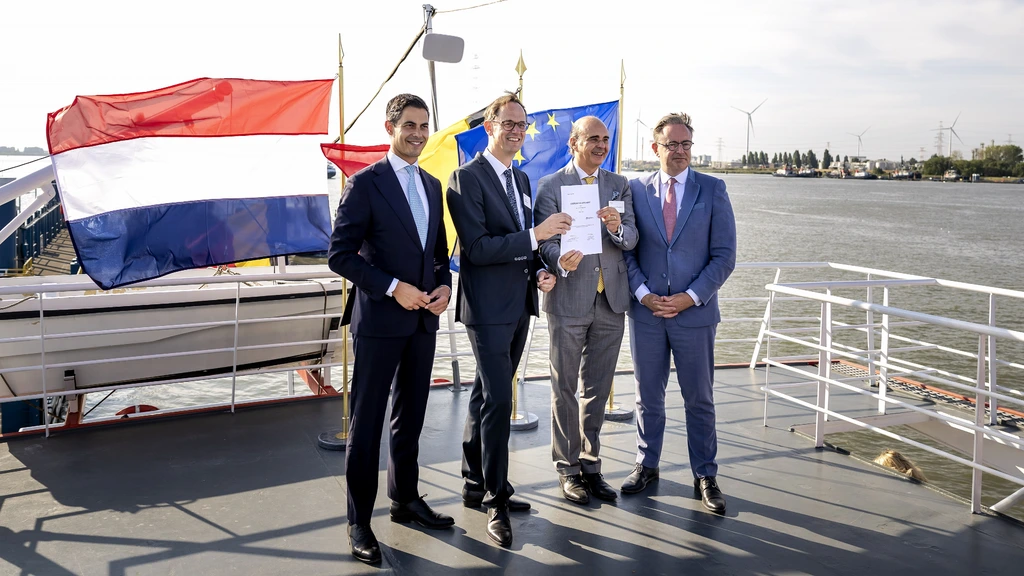
A new high-voltage power line named Brabo III, connecting the Netherlands and Belgium, has been inaugurated in the port of Antwerp. The project aims to strengthen the power grid in the Antwerp port area and facilitate electricity exchange between the two countries. This connection will allow the Netherlands to export surplus electricity generated from wind and solar power to Belgium on favorable days, which is beneficial given the Netherlands' congested power grid. Conversely, the Netherlands can import additional electricity when needed. The most striking features of this new power link are two 132-meter tall high-voltage pylons located near the Kallosluis, on a branch of the Scheldt River, significantly towering over other structures. Belgian grid operator Elia spent over a decade developing the Brabo lines, which link the port area to the Dutch border at Zandvliet. On the Dutch side, grid operator TenneT reinforced the connection from the border to Rilland, where it integrates with the existing high-voltage network. Belgian Prime Minister De Wever described the line as a "new artery for our industry," crucial for energy-intensive companies like BASF and Ineos in the port, as their electricity demand grows due to the transition from fossil fuels to electricity. Dutch Prime Minister Jetten highlighted the connection's importance not only for the Antwerp port but also for Zeeland and Southwest Netherlands, emphasizing the need for European energy self-sufficiency as a security issue. During their meeting in Antwerp, Jetten and De Wever also signed agreements for a similar project enhancing cross-border power cables between Kinrooi in Belgium and Maasbracht in the Netherlands.
The Brabo III high-voltage line represents a strategic infrastructure investment aimed at enhancing energy security and economic competitiveness between the Netherlands and Belgium. By enabling more efficient electricity exchange, the project addresses the challenges of intermittent renewable energy sources and increasing industrial demand driven by decarbonization efforts. The emphasis on European energy self-sufficiency reflects a broader geopolitical imperative to reduce reliance on external energy supplies. Looking ahead, such cross-border interconnections are crucial for building a resilient and integrated European energy market, capable of managing diverse energy portfolios and supporting industrial transitions in the face of evolving technological and environmental landscapes. The initiative underscores the systemic need for robust infrastructure to support national and regional energy policy objectives.
AI-generated to prompt reflection — not editorial opinion, not advice, not a statement of fact. How this works.
