New 210-Million-Year-Old Dinosaur Discovery in Zimbabwe Reshapes Southern African Paleontology
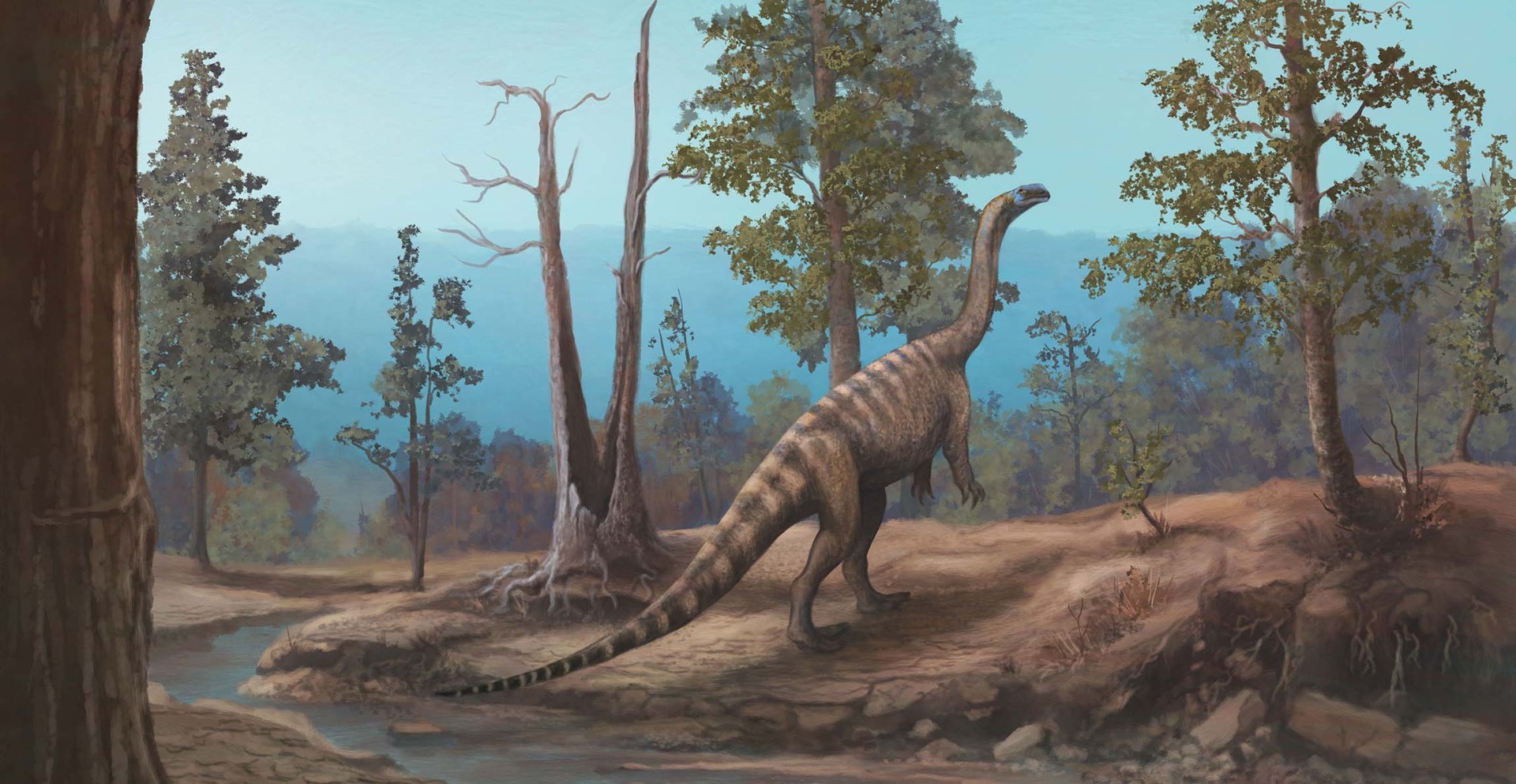
A recently identified dinosaur species from Zimbabwe, named Musango matusadonaensis, is providing significant new insights into dinosaur evolution and dispersal across southern Africa. The discovery is based on a skeleton unearthed in 2018 along the shores of Lake Kariba in northern Zimbabwe. Scientists announced the findings on Wednesday, highlighting how this 210-million-year-old fossil challenges previous understandings of dinosaur distribution. The presence of Musango matusadonaensis suggests that dinosaurs were adapting to and spreading through diverse ecosystems in the region much earlier than previously thought. This finding contributes to a broader picture of how early dinosaur lineages diversified and colonized various environments during the Triassic period. The excavation and subsequent analysis are expected to foster further research into the paleontological history of southern Africa. This discovery underscores Zimbabwe's potential as a key location for uncovering ancient life forms.
The discovery of Musango matusadonaensis in Zimbabwe offers a valuable data point for understanding early dinosaur biogeography and diversification. By providing evidence of distinct ecosystems being populated, it prompts a re-evaluation of dispersal models for dinosaur lineages during the Triassic period. Future research will likely focus on comparative anatomy and further fossil discoveries to refine hypotheses about the ecological niches occupied by these early reptiles. This finding contributes to the global scientific effort to reconstruct Earth's ancient biodiversity and the evolutionary pathways that led to modern fauna, emphasizing the importance of regional paleontological contributions to a comprehensive understanding of life's history.
AI-generated to prompt reflection — not editorial opinion, not advice, not a statement of fact. How this works.