New AI Art Museum in Los Angeles Positions Machines as Creative Partners
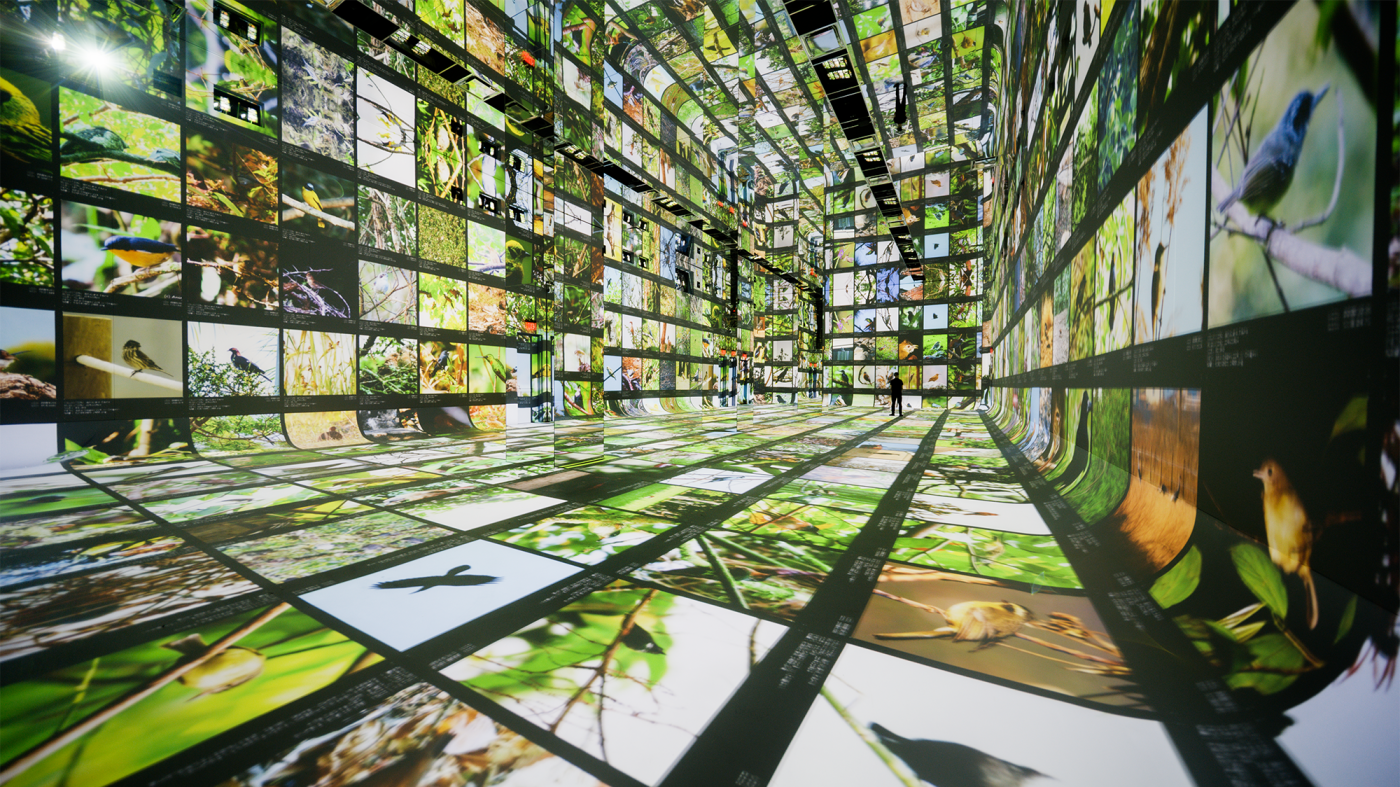
Artist Refik Anadol is exploring the concept of "beyond reality" through his innovative work with artificial intelligence. His latest venture is Dataland, an immersive museum dedicated to AI art, which has opened in Los Angeles. This new institution aims to redefine the relationship between humans and machines in the creative process. Anadol's work challenges traditional notions of authorship and artistic creation by incorporating AI as a collaborative force. In addition to Dataland, he has also created an installation for the Smithsonian in Washington, D.C., showcasing the growing influence of AI in the art world. These projects highlight the potential for AI to generate novel aesthetic experiences and expand the boundaries of artistic expression. The museum serves as a platform to engage the public with these evolving technologies and their artistic applications. Anadol's vision suggests that machines are not merely tools but active collaborators in the artistic journey.
AI art museums like Dataland signal a paradigm shift in creative industries, moving from tool-based creation to collaborative intelligence. This evolution prompts consideration of intellectual property, artistic intent, and the economic value of art generated through human-machine partnerships. As AI capabilities advance, the definition of 'artist' and 'originality' will likely continue to be debated and redefined, impacting copyright law and the art market. The integration of AI in cultural institutions also raises questions about accessibility, preservation, and the potential for algorithmic bias in curatorial choices, necessitating robust governance frameworks to ensure equitable and ethical engagement with these powerful technologies.
AI-generated to prompt reflection — not editorial opinion, not advice, not a statement of fact. How this works.