New Alloy Discovered, Formed by Heat from Hiroshima Atomic Bomb
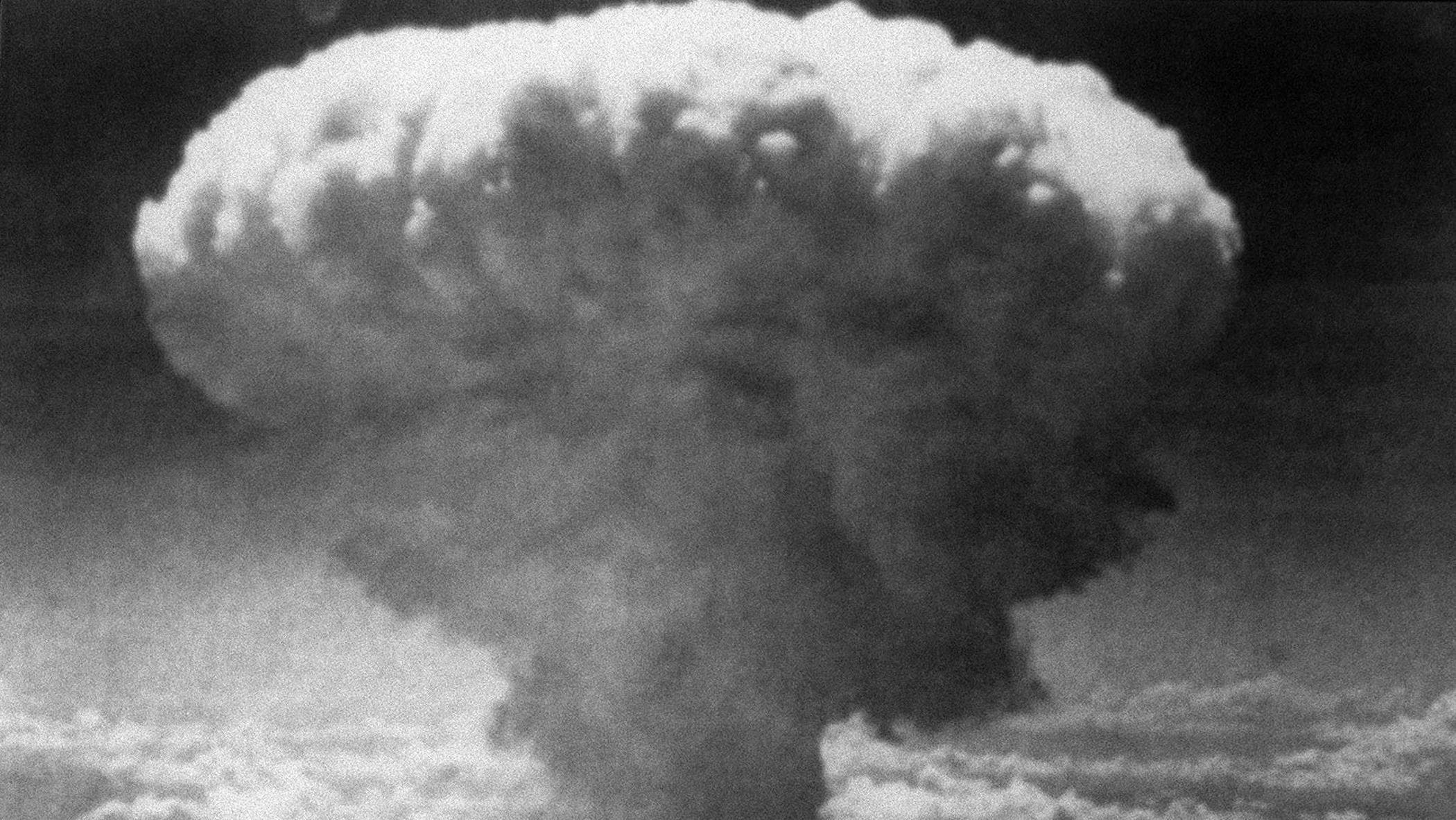
A previously unknown alloy has been identified, reportedly formed by the intense heat generated by the atomic bomb dropped on Hiroshima on August 6, 1945. This unique material is described as a mixture of the city's constituent elements, specifically soil, glass, and steel, fused together by the blast. The discovery sheds new light on the physical and chemical transformations that occurred in the immediate aftermath of the bombing. Researchers are studying the properties of this alloy to understand the extreme conditions present during the event. The creation of this material highlights the devastating power of nuclear weapons and their lasting impact on the environment. Further analysis is expected to reveal more about its composition and formation process. This finding offers a tangible link to the historical event, providing scientific insights into the destructive force unleashed that day.
The discovery of an alloy formed by the Hiroshima atomic bomb presents a unique scientific lens through which to examine the event's material impact. This finding, born from the fusion of soil, glass, and steel under extreme thermal conditions, underscores the profound physical alterations caused by nuclear detonation. Studying such materials can offer objective data on the energy released and the subsequent environmental transformations, moving beyond the immediate human tragedy to understand the long-term physical legacy. This scientific perspective can inform future disaster preparedness and material science research, emphasizing the enduring consequences of such weaponry and the complex interactions between extreme energy and terrestrial matter.
AI-generated to prompt reflection — not editorial opinion, not advice, not a statement of fact. How this works.