New Alzheimer's Blood Tests: What They Can and Cannot Tell You
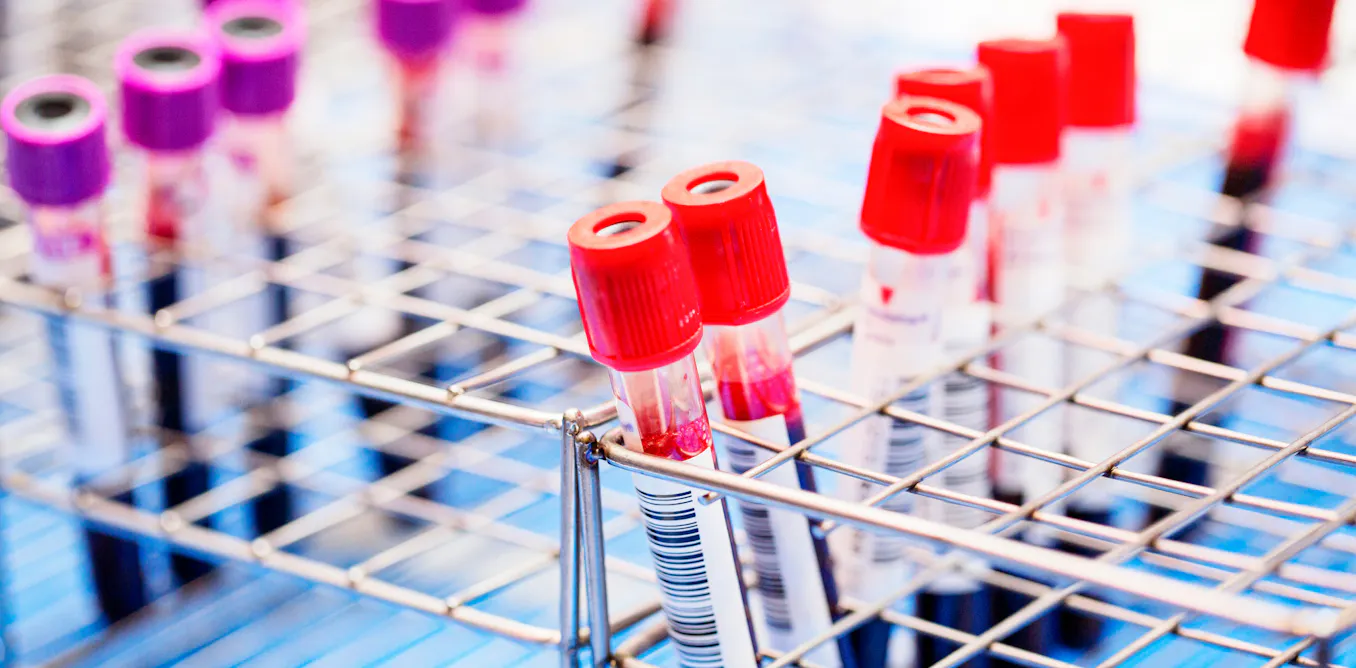
New blood tests for Alzheimer's disease are now available, but they do not provide an instant diagnosis. Instead, these tests offer valuable insights that can inform clinical decisions and research. They are designed to detect specific biomarkers associated with Alzheimer's, such as amyloid and tau proteins. While these markers can indicate the presence of Alzheimer's-related changes in the brain, they are not definitive on their own. The results need to be interpreted within the broader context of a patient's medical history, cognitive assessments, and potentially other diagnostic tools like brain imaging. These blood tests represent a significant advancement in diagnostic capabilities, potentially making screening more accessible and less invasive than current methods. However, their primary role is currently to aid clinicians in assessing risk, supporting research into disease progression, and guiding treatment strategies. Further validation and standardization are ongoing to fully integrate these tests into routine clinical practice. Patients considering these tests should discuss their implications thoroughly with their healthcare providers to understand what the results mean for their individual situation.
The advent of Alzheimer's blood tests signifies a shift towards more accessible and potentially earlier detection of neurodegenerative changes. While these tests offer promising biomarkers, their current utility lies in augmenting, not replacing, comprehensive diagnostic protocols. The challenge ahead involves integrating these new tools into clinical workflows, ensuring equitable access, and managing patient expectations regarding the interpretability and predictive power of the results. Future developments will likely focus on refining test accuracy, establishing clearer diagnostic thresholds, and understanding the long-term implications of biomarker detection in asymptomatic individuals, navigating the ethical considerations of early-stage disease identification.
AI-generated to prompt reflection — not editorial opinion, not advice, not a statement of fact. How this works.
