New Alzheimer's Drug Shows Early Promise in Slowing Memory Loss
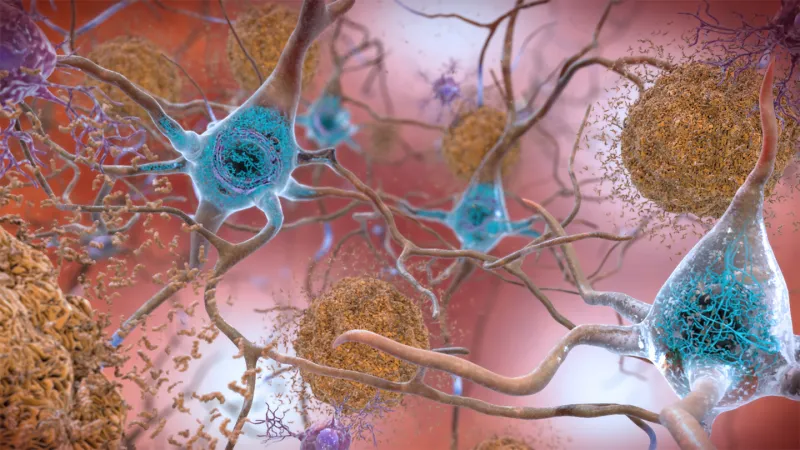
An experimental drug targeting Alzheimer's disease has demonstrated early signs of promise in clinical trials. The drug has shown an ability to reduce tau protein levels in the brain, a key hallmark of the neurodegenerative disease. Furthermore, the trial data indicated that the drug may slow down certain aspects of memory loss experienced by patients. However, the results also presented an unexpected finding, adding a layer of complexity to the drug's potential efficacy and mechanism of action. Further research and analysis are needed to fully understand the implications of these findings and the drug's overall potential to treat Alzheimer's disease. The specific nature of the 'surprise twist' was not detailed in the provided information, but it suggests that the drug's effects may be more nuanced than initially anticipated.
The emergence of a new experimental drug for Alzheimer's, showing potential to reduce tau pathology and slow cognitive decline, represents a significant development in a field with limited therapeutic options. The reported 'surprise twist' in the data warrants careful investigation, as it could reveal novel biological pathways or unforeseen side effects. Understanding the interplay between tau reduction and cognitive outcomes, especially in light of unexpected findings, is crucial for evaluating the drug's long-term viability and safety profile. Future research should focus on elucidating the complete mechanism of action and assessing the drug's efficacy and safety in diverse patient populations over extended periods, considering the evolving landscape of neurodegenerative disease treatment.
AI-generated to prompt reflection — not editorial opinion, not advice, not a statement of fact. How this works.