New Alzheimer's Mechanism Linked to Brain Cell Death Discovered
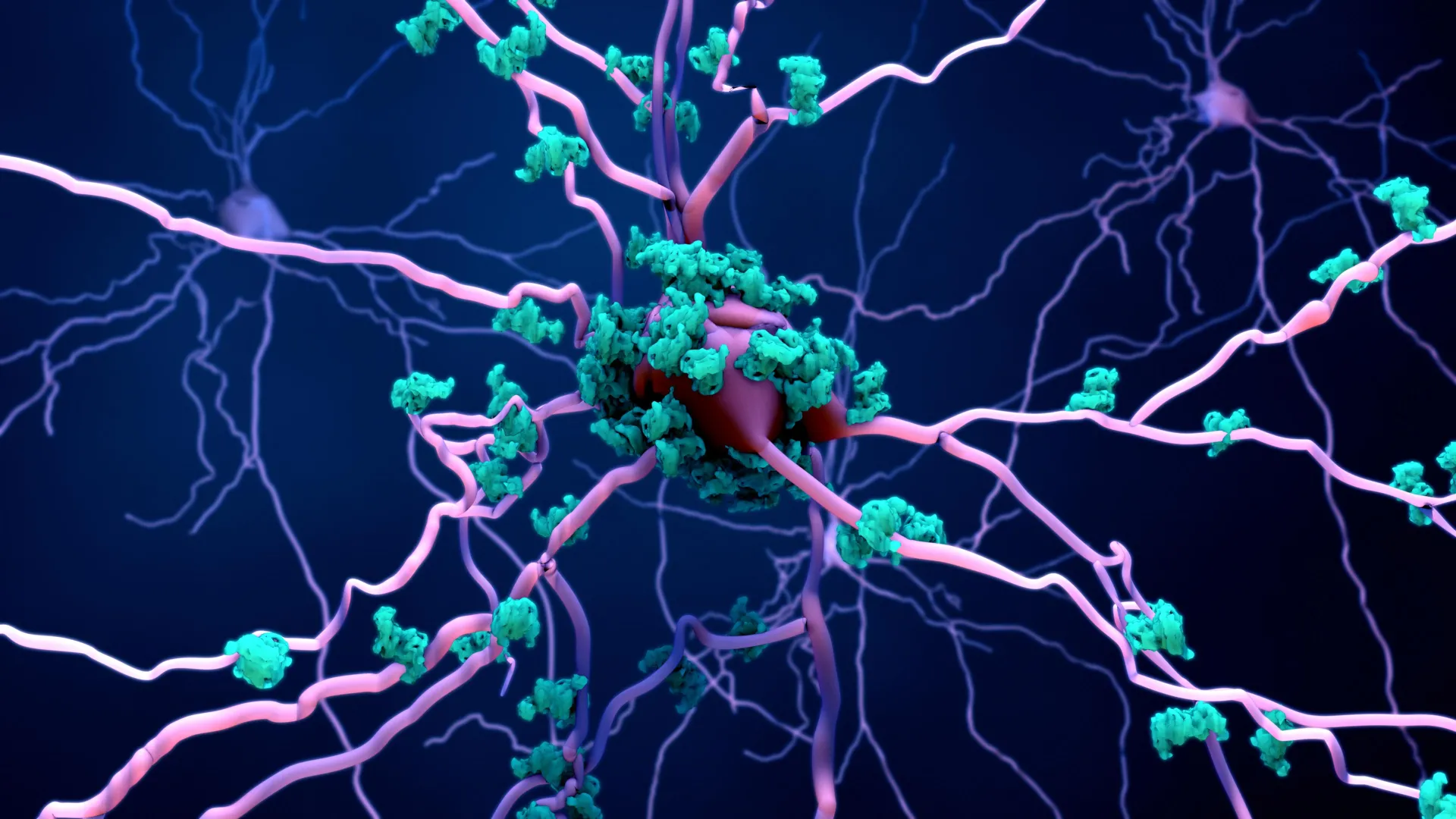
Scientists have identified a previously unknown mechanism responsible for brain cell death that is believed to be a significant factor in Alzheimer's disease and frontotemporal dementia. This discovery offers a potential new avenue for developing treatments. The research focuses on interrupting the process that leads to neuron destruction. By targeting this specific mechanism, future therapies could aim to slow or prevent the loss of brain cells. This could be a crucial step forward in managing neurodegenerative conditions like Alzheimer's. The findings suggest that understanding this pathway is key to developing more effective interventions. The hope is that this will lead to therapies that preserve cognitive function for longer periods.
The identification of a novel mechanism in Alzheimer's and frontotemporal dementia pathogenesis represents a significant scientific advancement. By pinpointing a specific pathway for neuronal death, researchers can now explore targeted therapeutic strategies. This approach shifts focus from broad symptom management to directly addressing a root cause of cell loss. Future research will likely investigate the precise molecular interactions within this mechanism and its upstream triggers. The development of drugs that can safely and effectively inhibit this process could offer a substantial improvement over current treatment paradigms, potentially slowing disease progression and preserving cognitive function for patients.
AI-generated to prompt reflection — not editorial opinion, not advice, not a statement of fact. How this works.