New Antibody Drug Shows Promise in Halting Aggressive Prostate Cancer Spread
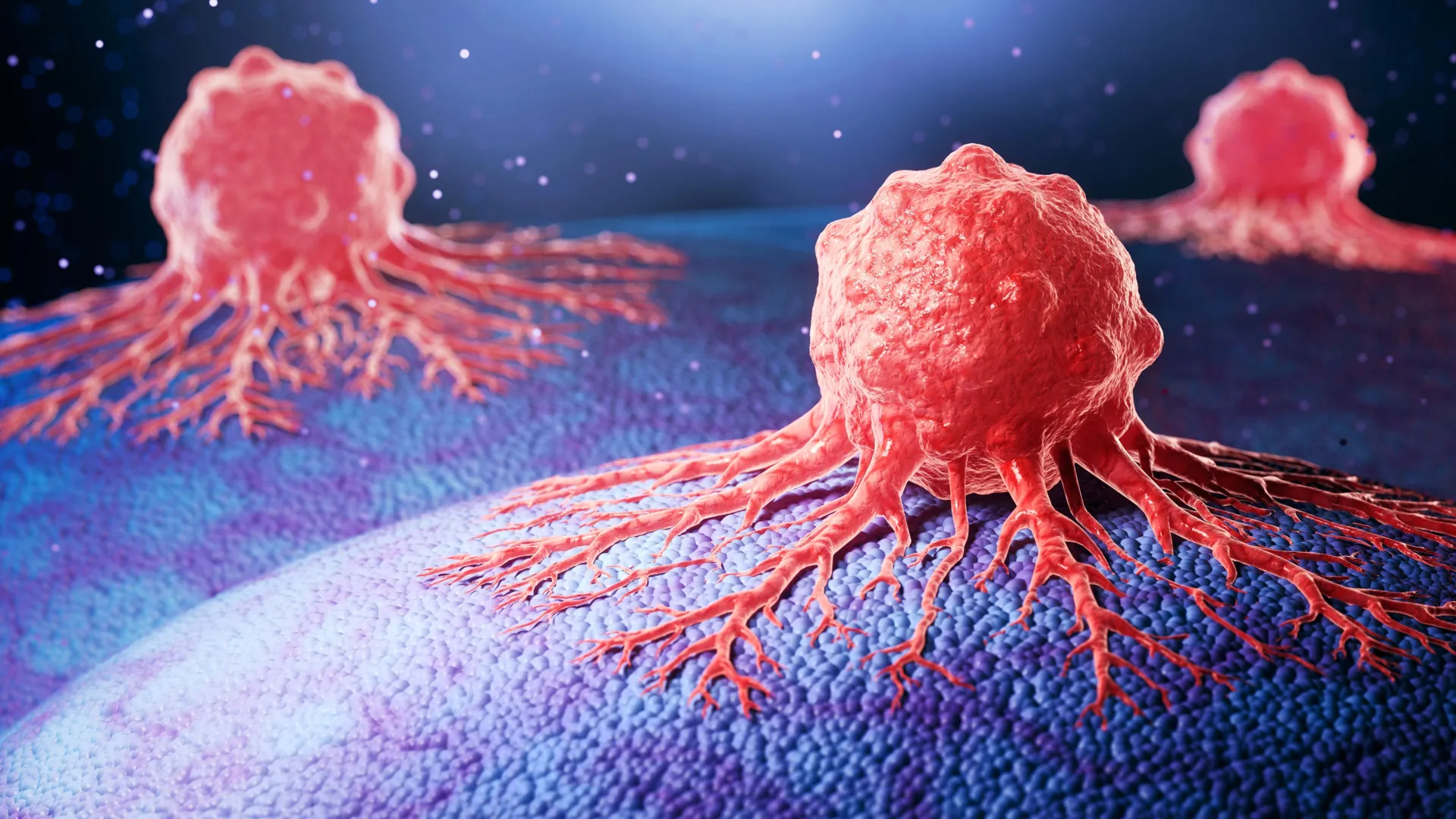
Scientists have developed a fully human antibody drug that has demonstrated the ability to stop the growth and spread of aggressive prostate cancer in preclinical research. This novel therapeutic agent targets a specific pathway involved in cancer progression. While further rigorous testing and clinical trials are necessary to confirm its efficacy and safety in humans, the drug's unique mechanism of action offers a potential breakthrough.
The researchers are optimistic that this innovative approach could pave the way for a new, potentially safer treatment option for patients battling advanced stages of prostate cancer. The development represents a significant step forward in the ongoing effort to find more effective therapies for this challenging disease.
This preclinical research highlights a novel therapeutic strategy for aggressive prostate cancer, focusing on an antibody drug with a distinct mechanism. The development of fully human antibodies aims to reduce immunogenicity and improve safety profiles, a crucial consideration for long-term cancer treatments. The success in preclinical models suggests a potential shift towards more targeted therapies that could minimize off-target effects common in traditional chemotherapy. Future clinical evaluations will be critical to determine if this promising preclinical outcome translates into tangible benefits for patients, assessing not only efficacy but also the long-term safety and economic viability of this new drug class within the broader oncology landscape.
AI-generated to prompt reflection — not editorial opinion, not advice, not a statement of fact. How this works.