New Apostolic Administrator Appointed for Diocese of Rio Branco, Brazil
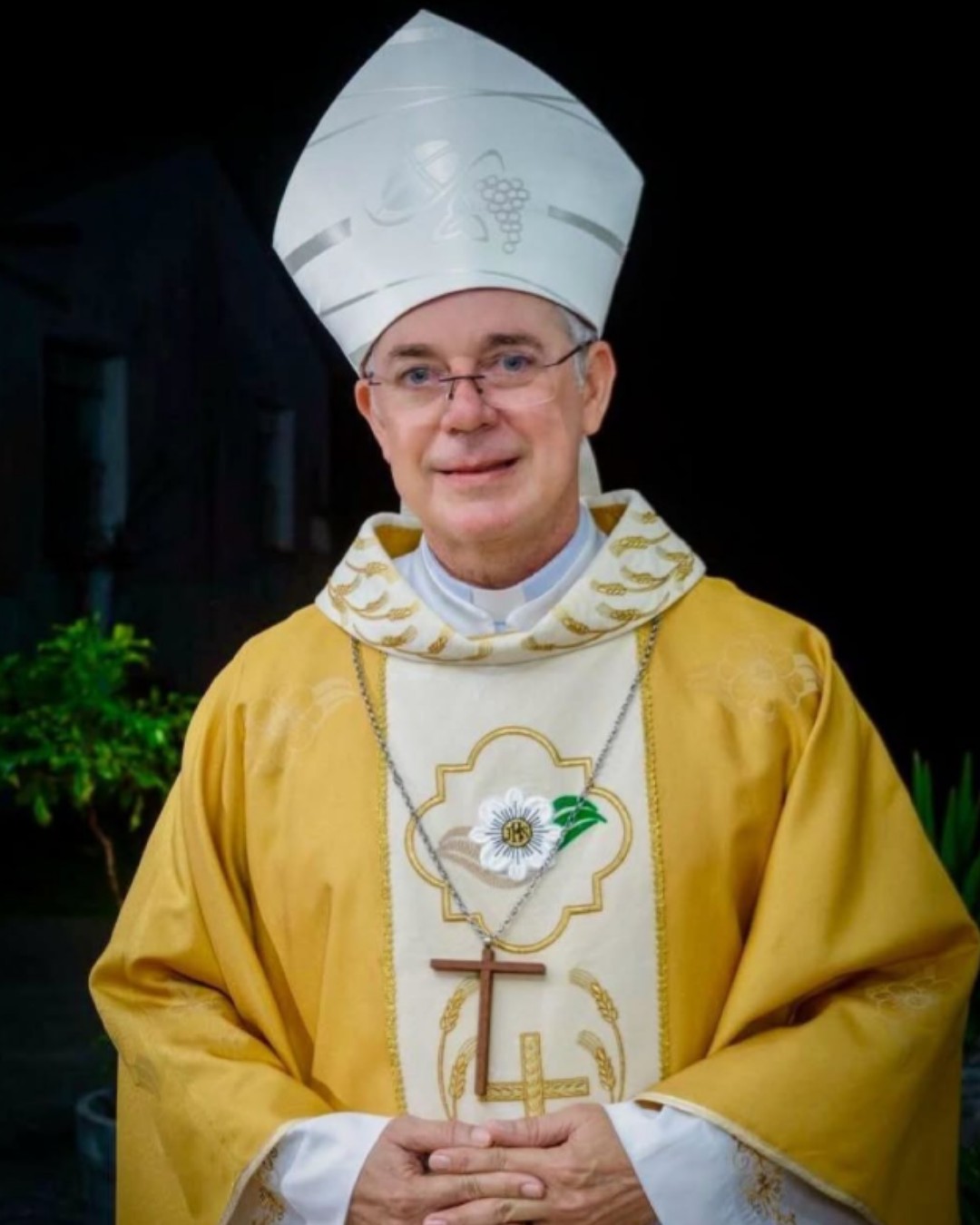
Dom Antônio Fontinele de Melo has officially assumed the role of apostolic administrator for the Diocese of Rio Branco in Acre, Brazil. He was formally introduced during a mass held on Sunday, December 12th, at the Cathedral Nossa Senhora de Nazaré. This transition follows the resignation of Dom Joaquín, who served as bishop for 27 years and stepped down due to health reasons. His resignation was accepted by Pope Leo XIV on July 1st. Dom Fontinele, currently the bishop of the Diocese of Humaitá in Amazonas, will oversee administrative and organizational duties during this transitional period. His appointment aims to prepare the diocese for a new bishop. While he holds all administrative functions, he is not yet the titular bishop. For him to be permanently appointed to Rio Branco, he would need to resign his administration of the Diocese of Humaitá. Dom Fontinele, 58, is from Ceará and has been bishop of Humaitá since 2020, appointed by Pope Francis. He was ordained a priest in 1999 and previously served in the Archdiocese of Porto Velho for over two decades in various pastoral, formation, and management roles. He holds degrees in Philosophy and Theology, with specializations in higher education methodology and Sacred Scripture. He has also been active within the National Conference of Bishops of Brazil (CNBB) in the Northwest Region. Beyond his religious work, Dom Antônio is also recognized as a professor and poet.
The appointment of Dom Antônio Fontinele as apostolic administrator signifies a period of structural adjustment within the Catholic Diocese of Rio Branco. This interim role, tasked with administrative reforms and preparation for a new bishop, reflects a common governance mechanism in religious institutions during leadership transitions. The process highlights the Vatican's hierarchical management approach, balancing the need for continuity with the eventual selection of a permanent successor. Dom Fontinele's background, including his experience in pastoral care, administration, and academic pursuits, suggests a focus on organizational efficiency and spiritual guidance during this phase. The situation underscores the ongoing challenges faced by dioceses in managing leadership changes, particularly when influenced by factors such as health and the strategic reassignment of personnel across different regions.
AI-generated to prompt reflection — not editorial opinion, not advice, not a statement of fact. How this works.