New Audio Investigation Revives Suspicions Around Former PP Leader Cospedal
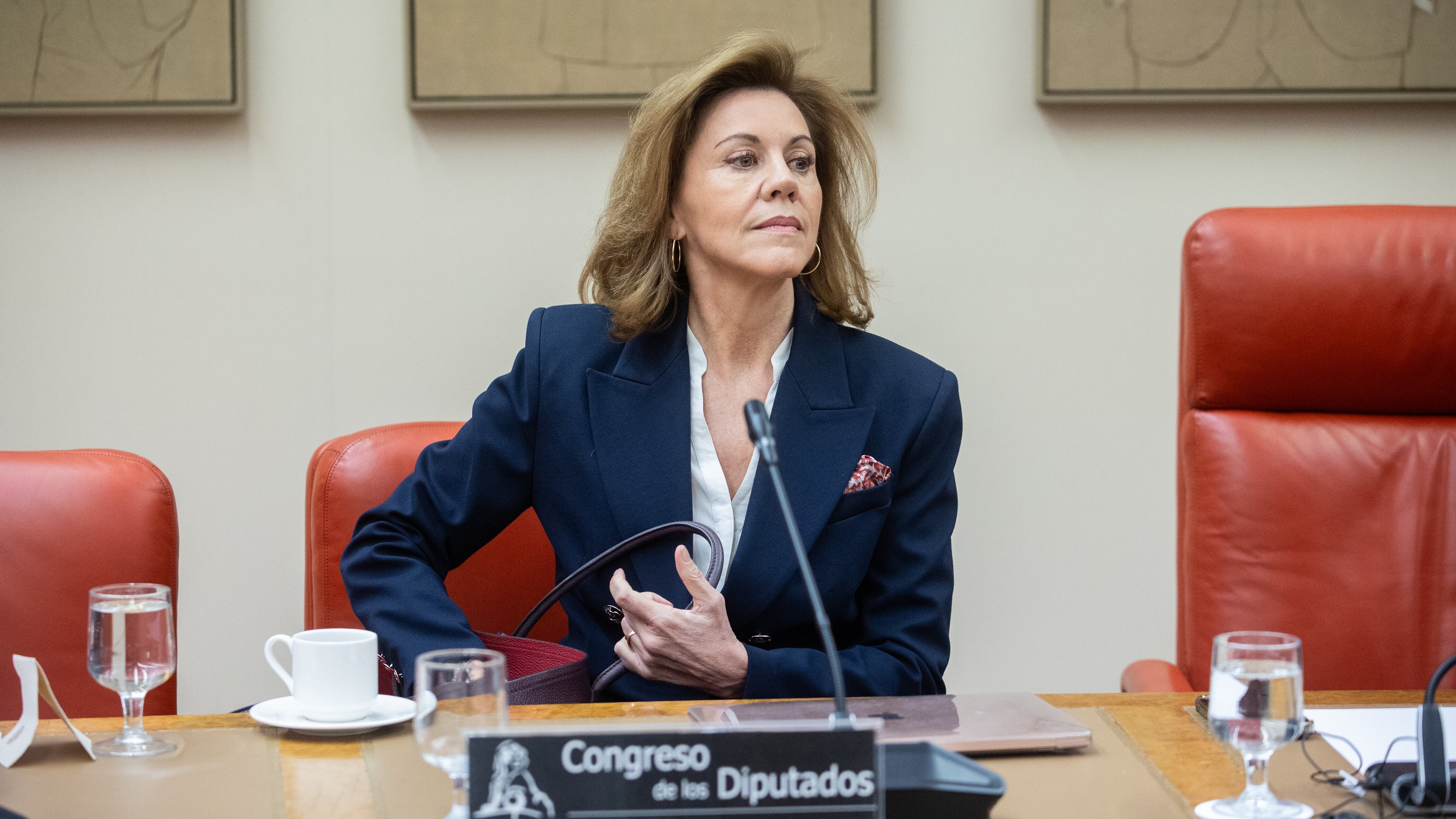
A Spanish judge has ordered an investigation into new audio recordings involving María Dolores de Cospedal, a former leader of the People's Party (PP), and the controversial former police commissioner José Manuel Villarejo. This judicial decision reopens a case that had never been fully closed for the ex-PP leader. The investigation centers on alleged conversations between Cospedal and Villarejo, who is currently imprisoned for various crimes including bribery and money laundering. The nature of the new audio evidence and its potential implications for Cospedal are not fully detailed in the initial reports. However, the move suggests that new information has emerged that warrants further scrutiny by the court. Cospedal previously served as Secretary-General and President of the PP, as well as President of Castilla-La Mancha. The ongoing legal proceedings involving Villarejo have implicated numerous high-profile figures in Spanish politics and business. This latest development indicates that the fallout from the Villarejo case continues to affect prominent political personalities.
The judicial order to investigate new audio recordings involving a former high-ranking political figure and a disgraced former police commissioner highlights the persistent challenges in ensuring accountability and transparency in public office. The reopening of this investigation underscores the importance of robust legal frameworks to address potential corruption and abuse of power, even years after initial allegations. This situation prompts reflection on the long-term implications of such investigations for public trust and the integrity of political institutions. It also raises questions about the effectiveness of oversight mechanisms and the potential for new evidence to emerge, necessitating continuous scrutiny of past actions. The focus on audio evidence suggests a reliance on digital forensics in uncovering potential wrongdoing, a trend likely to increase in the AI era.
AI-generated to prompt reflection — not editorial opinion, not advice, not a statement of fact. How this works.