New Bacteria Species Discovered in Elusive Pygmy Sperm Whales
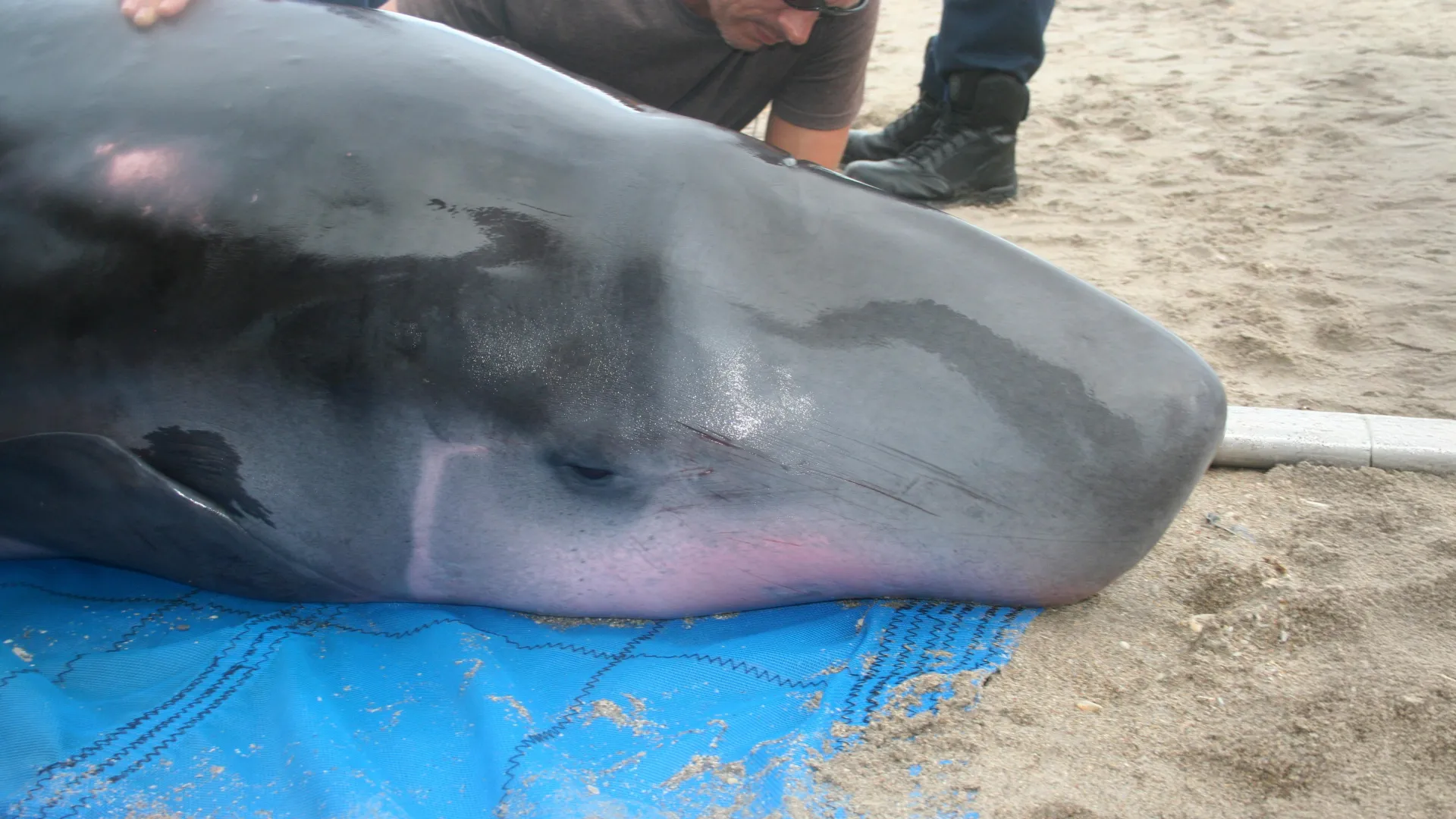
Researchers have identified three novel species of Helicobacter bacteria within the stomachs of pygmy sperm whales. These findings emerged from a study analyzing samples from decades of whale strandings. All four whales examined in this specific investigation exhibited significant gastrointestinal distress. This included severe inflammation, the presence of ulcers, internal scarring, and infestations by parasites. While the newly discovered bacteria were present in these sick animals, scientists have not yet confirmed them as the definitive cause of death for the whales.
The discovery of novel bacterial species within a marine mammal highlights the ongoing exploration of microbial ecosystems, even in well-studied species. Further research is warranted to understand the symbiotic or pathogenic relationship between these bacteria and pygmy sperm whales. Determining the precise role of these microbes in whale health and mortality will be crucial for conservation efforts, particularly given the challenges in studying these elusive animals. This finding underscores the potential for undiscovered biological interactions within marine environments and their implications for ecosystem health.
AI-generated to prompt reflection — not editorial opinion, not advice, not a statement of fact. How this works.