New Brazilian Technology Doubles Safe Heart Transport Time, Expanding Transplant Reach
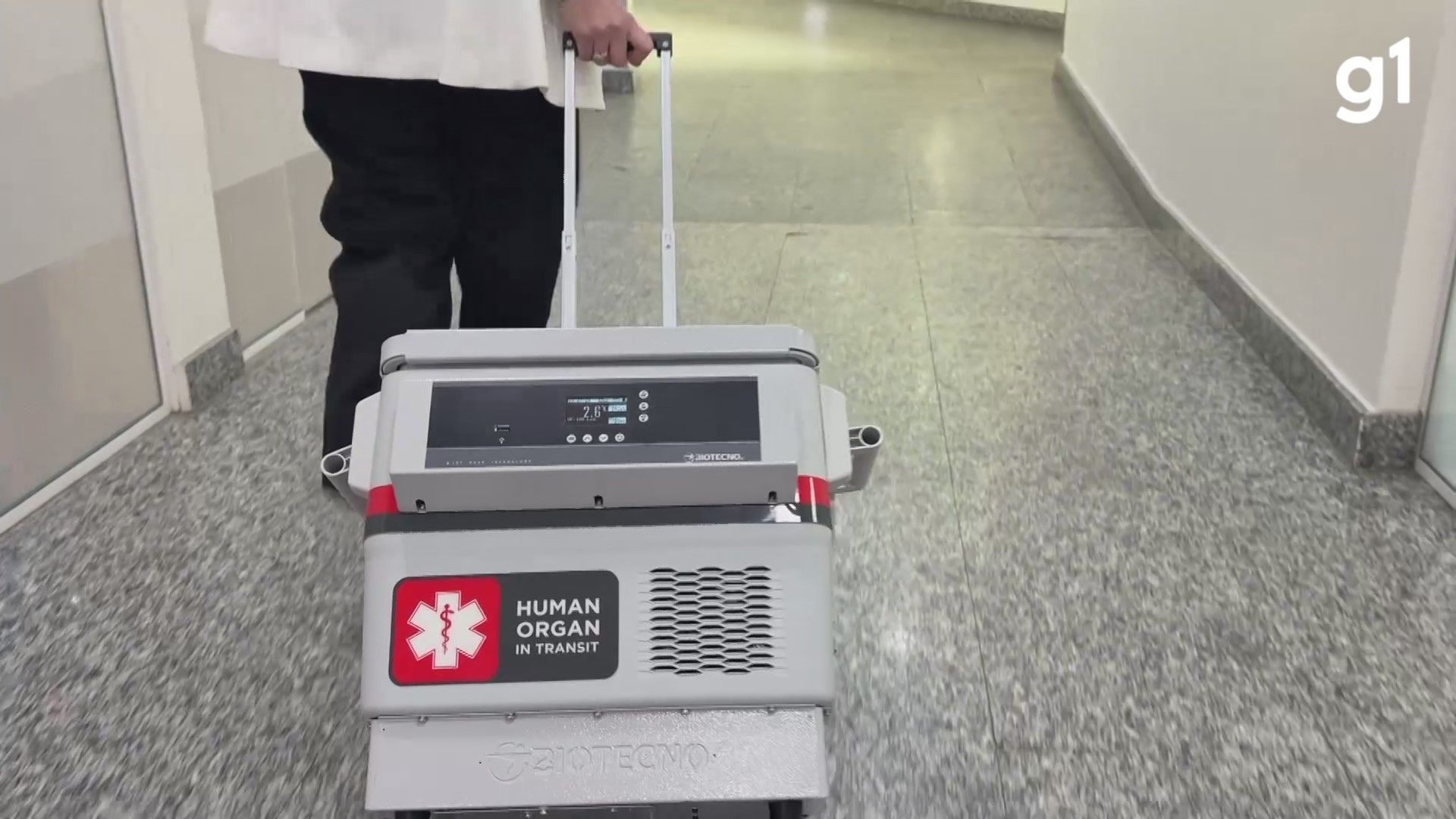
A groundbreaking technology developed in Rio Grande do Sul, Brazil, is significantly improving the prospects for heart transplant patients by doubling the safe transport time for donor organs. This innovation, a reusable device named Taura, was created by Biotecno in Santa Rosa in partnership with the Cardiology Institute in Porto Alegre. Previously, donor hearts were transported in styrofoam boxes with ice, limiting the transplant window to a maximum of four hours. The Taura device maintains a controlled temperature between 4°C and 10°C and features a battery that can be powered by aircraft and vehicles. It also offers app connectivity for real-time temperature monitoring during transit, ensuring the organ's integrity. This advancement has reduced waiting times on the transplant list and increased the number of available organs. In its first 10 months of use at the Cardiology Institute, the Taura system facilitated 20 heart transplants. The technology has also been adopted by three other major transplant centers across Brazil. The reusable nature of the Taura device makes it a more cost-effective solution for Brazil compared to imported, disposable alternatives. This innovation has extended the safe aerial transport radius to 2,000 kilometers, enabling organs to be sourced from as far as Salvador, thereby increasing the pool of potential donors. The technology has already transformed lives, with patients like police officer Vanderlei Guedes Marques receiving a heart just two days after joining the transplant list and referee Amanda Santos, 32, receiving an organ from another state, both expressing renewed hope and improved quality of life.
This technological advancement in organ transport addresses a critical bottleneck in transplant logistics, potentially democratizing access to life-saving procedures. By extending the viable transport window and geographical reach, the Taura system mitigates the geographical disparities in organ availability and recipient proximity. The development of a reusable, domestically produced device offers a sustainable and economically viable alternative to imported technologies, highlighting the potential for innovation within Brazil's healthcare sector. This innovation shifts the paradigm from organ scarcity to optimizing the utilization of available organs, underscoring the importance of infrastructure in healthcare delivery. Future considerations may include scaling production, further optimizing transport parameters for various organs, and integrating such technologies into national organ procurement networks to maximize their impact on public health outcomes.
AI-generated to prompt reflection — not editorial opinion, not advice, not a statement of fact. How this works.