New Car Safety Tests Pose Challenges for Automakers
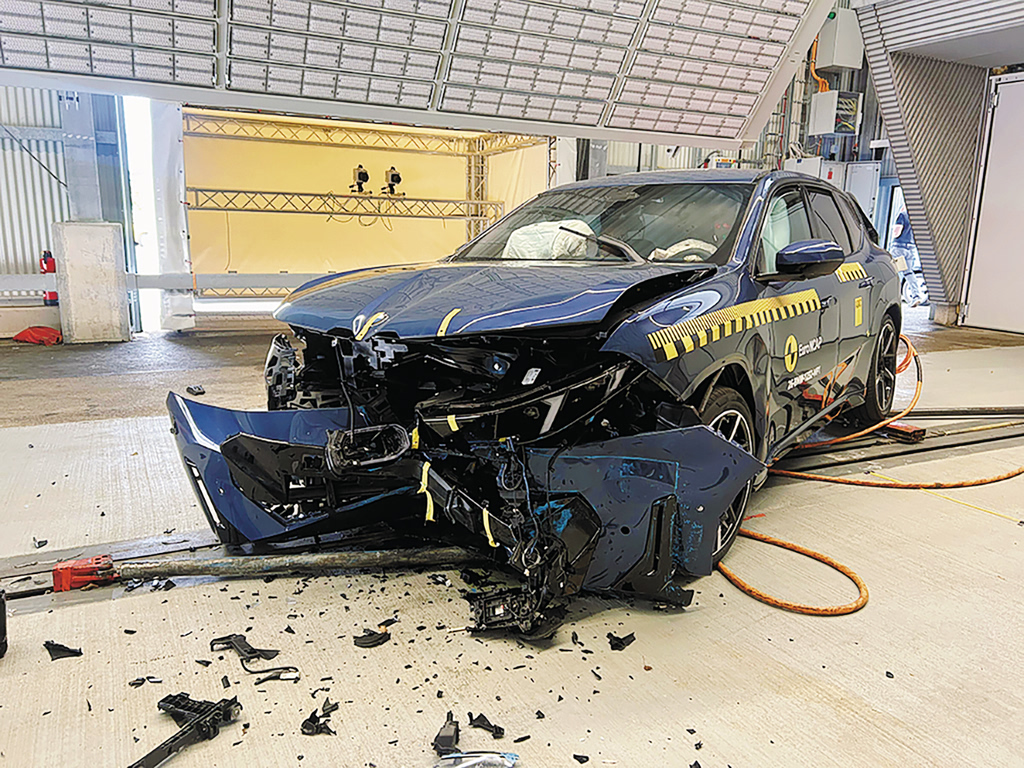
Automakers are facing increased complexity and potential headaches due to newly introduced car safety testing protocols. These evaluations will now be more intricate, relying on a framework divided into four distinct stages, known as the Stages of Safety. This shift signifies a move towards more comprehensive and rigorous assessment of vehicle safety performance. The implementation of these four stages is expected to demand significant adjustments from manufacturers in terms of design, engineering, and testing methodologies. Companies will need to adapt their processes to meet the higher standards and more detailed evaluation criteria inherent in the new system. The ultimate goal is to enhance overall road safety by ensuring vehicles are subjected to more thorough scrutiny before they reach consumers.
The introduction of the Stages of Safety framework represents a regulatory evolution aimed at elevating automotive safety standards. This multi-stage approach likely reflects a growing understanding of the nuanced factors contributing to vehicle occupant protection and accident mitigation. For manufacturers, this necessitates a strategic recalibration of research and development priorities, potentially shifting investment towards advanced safety systems and materials. The challenge lies in balancing the increased costs and development timelines associated with these new protocols against the competitive pressures of the automotive market. Over the next decade, such rigorous testing regimes could become a key differentiator, influencing consumer purchasing decisions and driving innovation towards inherently safer vehicle designs, while also potentially impacting the accessibility of new vehicles if costs escalate significantly.
AI-generated to prompt reflection — not editorial opinion, not advice, not a statement of fact. How this works.