New CDU Leader Evers Seen as Successor to Wegner
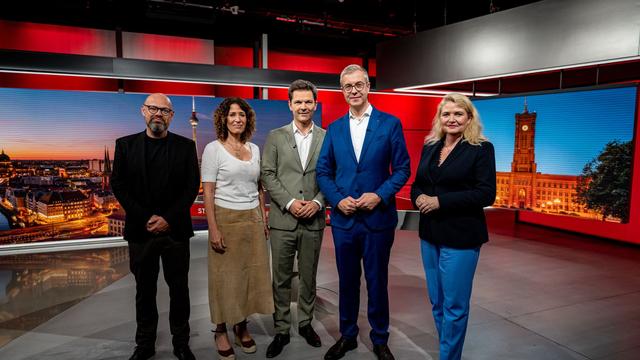
Political parties in Germany are discussing the new leader of the Christian Democratic Union (CDU), Kai Evers, drawing parallels between him and the current Governing Mayor of Berlin, Kai Wegner. This comparison suggests that Evers is being viewed as a potential successor or a figure with a similar political trajectory to Wegner within the party. The discussion highlights the CDU's internal dynamics and leadership considerations as they look towards future political landscapes. Evers' emergence is being closely watched by other political factions, who are analyzing his potential impact on the political balance in Germany. The media coverage indicates a significant level of interest in Evers' leadership style and his ability to navigate the complexities of German politics. This narrative suggests that the CDU is potentially grooming Evers for a prominent role, possibly mirroring Wegner's rise to power. The comparison also implies expectations regarding Evers' policy positions and his capacity to unite the party and appeal to a broader electorate. Further analysis will likely focus on Evers' performance in upcoming political events and his ability to distinguish himself while drawing upon the perceived strengths of his predecessor.
The comparison of Kai Evers to Kai Wegner by other political parties suggests a strategic framing of Evers' leadership potential within the German political context. This framing may serve to either elevate Evers by associating him with an established figure or to preemptively define his political identity. From a systems perspective, such comparisons can influence public perception and media narratives, potentially shaping Evers' political capital and the CDU's strategic positioning. It highlights the importance of leadership succession planning and the symbolic weight carried by established political figures in party development. The analysis of Evers' trajectory will depend on his ability to forge his own distinct political path while navigating these initial perceptions.
AI-generated to prompt reflection — not editorial opinion, not advice, not a statement of fact. How this works.