New Chief Minister for Karnali Province Amid Shifting Alliances
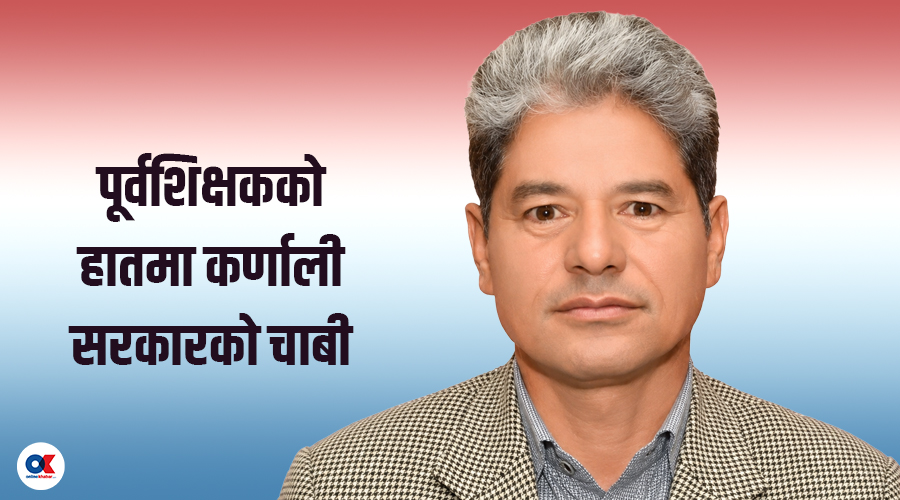
A political shift in Nepal's Karnali Province has resulted in the appointment of Mangal Bahadur Shahi as the new Chief Minister. Previously, it was widely expected that a coalition government between the Congress party and the Communist Party of Nepal (CPN) would be formed, especially after the resignation of the incumbent Chief Minister, Yamlal Kandel. However, the political landscape changed rapidly. Following an agreement at the central level, the CPN, which had initially pledged support to the Congress, ended up securing the leadership of the provincial government. This turn of events led to Mangal Bahadur Shahi assuming the role of Chief Minister, altering the anticipated political alignment in the province.
This event highlights the dynamic nature of coalition politics in Nepal, where central-level agreements can significantly influence provincial government formations. The shift in leadership from an anticipated Congress-led coalition to a CPN-led government demonstrates the fluidity of political alliances and the strategic maneuvering involved in securing power. Understanding the incentives driving these shifts, such as the desire for control or the negotiation of power-sharing at the national level, is crucial for analyzing future political stability in the region. The case also underscores the importance of observing how such changes impact governance and policy implementation in Karnali Province over the next decade, particularly in the context of evolving federal structures and the CPN's broader political objectives.
AI-generated to prompt reflection — not editorial opinion, not advice, not a statement of fact. How this works.