New 'Cloud Fish' Species Discovered in Brazil's Pantanal Wetlands
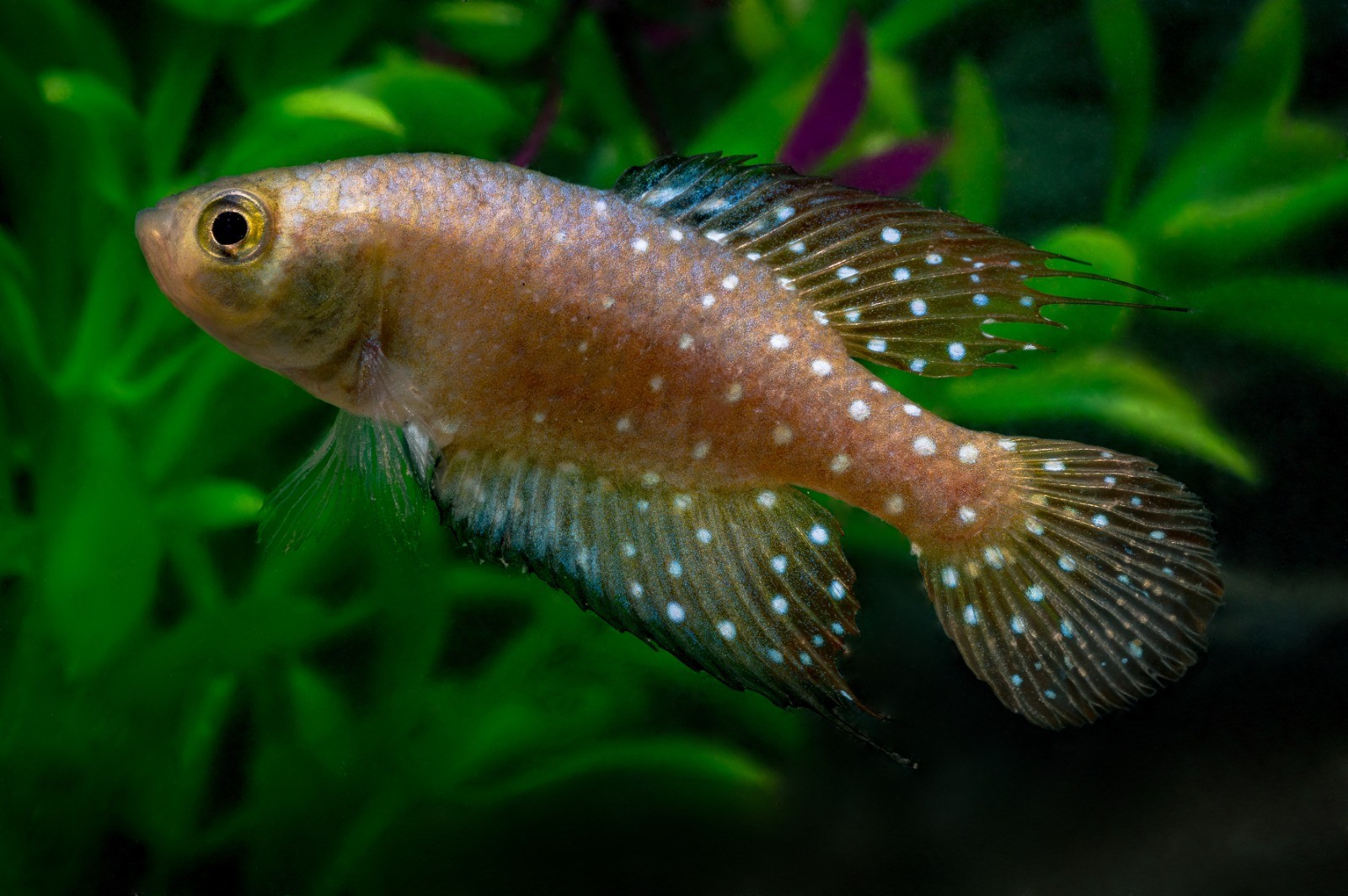
Scientists have identified a new species of 'cloud fish,' named Spectrolebias pantanalensis, in a temporary pool within the Pantanal wetlands of Mato Grosso, Brazil. This discovery, published in the scientific journal Zootaxa, expands the known distribution of this fish group to Brazil, as previously closest relatives were only found in Bolivia and Paraguay. The new species was found in the Poconé region, within the upper Paraguay River basin. Biologist Telton Ramos highlighted the discovery as significant for Brazilian science, underscoring the nation's vast, yet understudied, freshwater fish biodiversity. Cloud fish are uniquely adapted to survive in ephemeral pools that form only during the rainy season. When these pools dry up, adult fish die, but their highly resistant eggs remain buried in the soil, capable of surviving the dry season for months, and potentially up to four years, until the rains return. This remarkable survival strategy allows them to inhabit environments that disappear annually. The Spectrolebias pantanalensis was found in shallow, temporary pools in the Bento Gomes River drainage, and is currently known only from this single location. These small, seasonal water bodies are crucial refuges for specialized biodiversity and are valuable sites for studying climate change impacts. The discovery also aids in understanding the historical formation of the Pantanal's fauna, suggesting past geological and biogeographical connections between the Paraguay and Guaporé river basins. Researchers emphasize the urgent need to preserve these temporary habitats, as the Spectrolebias pantanalensis is endemic to the Pantanal, and its limited known range makes it vulnerable. The find suggests that the Pantanal may still harbor many undiscovered species, particularly within these often-overlooked temporary aquatic environments.
The discovery of Spectrolebias pantanalensis in Brazil's Pantanal highlights the critical role of ephemeral aquatic ecosystems in maintaining biodiversity and the potential for significant scientific findings in under-explored habitats. This event underscores the sensitivity of specialized species to environmental changes, particularly those linked to hydrological cycles. As climate patterns shift, the reliability of rainfall for these temporary pools becomes a key factor in species survival, posing a direct challenge to organisms with highly adapted, yet potentially fragile, life cycles. The finding also points to the ongoing importance of biogeographical research in understanding species dispersal and evolutionary history, especially in regions like the Pantanal, which serves as a nexus for multiple river basins. Continued exploration and conservation efforts for these unique microhabitats are essential for both scientific advancement and the preservation of global biodiversity in an era of rapid environmental transformation.
AI-generated to prompt reflection — not editorial opinion, not advice, not a statement of fact. How this works.