New 'Cocaine Highway' Uses Speedboats to Smuggle Drugs into Europe
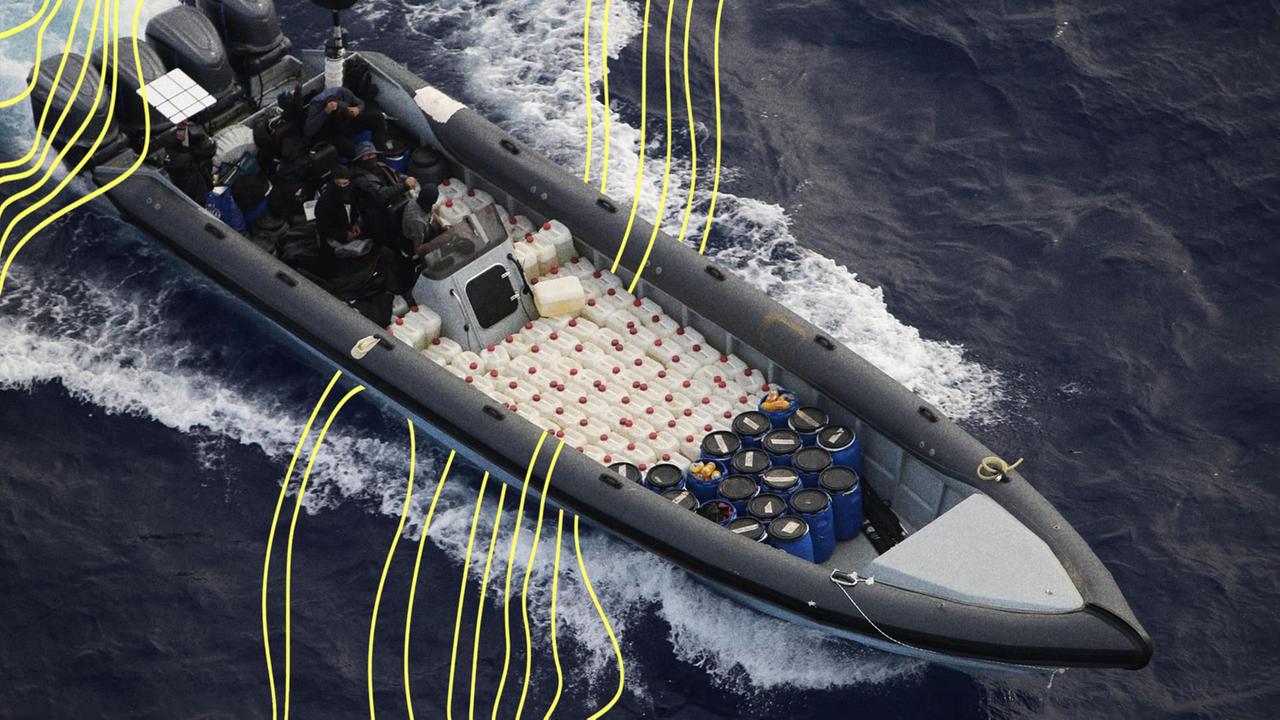
An estimated 700 tons of cocaine have recently arrived in Europe via a new smuggling route dubbed the "Cocaine Highway." This method involves transferring drugs from shipping containers directly onto speedboats for rapid transit into the continent. The "11KM" podcast discusses this evolving tactic employed by drug smugglers. It highlights how this new approach is challenging European authorities, who are struggling to keep pace with the sophisticated methods being used. The podcast delves into the operational details of this new smuggling network and the reasons behind the law enforcement agencies' difficulties in intercepting these shipments. The sheer volume of drugs moved suggests a significant and organized criminal enterprise.
The emergence of a 'Cocaine Highway' utilizing speedboats signifies an adaptive strategy by criminal organizations to circumvent traditional interdiction methods for drug trafficking into Europe. This shift from containerized cargo to faster, more agile maritime transport indicates an increased emphasis on speed and evasion, likely driven by heightened scrutiny of port-based operations. European authorities face a systemic challenge in adapting their surveillance and interdiction capabilities to counter these rapidly deployed, high-speed threats. The significant volume of 700 tons suggests that current enforcement measures may be insufficient to disrupt the flow, prompting a need for enhanced intelligence sharing, technological investment in maritime surveillance, and potentially more agile response units capable of intercepting such high-speed vessels. The long-term implication is a continuous arms race between smugglers and law enforcement, where innovation in smuggling tactics necessitates parallel innovation in detection and prevention.
AI-generated to prompt reflection — not editorial opinion, not advice, not a statement of fact. How this works.