New cold front brings heavy rain and gale warnings to Rio Grande do Sul
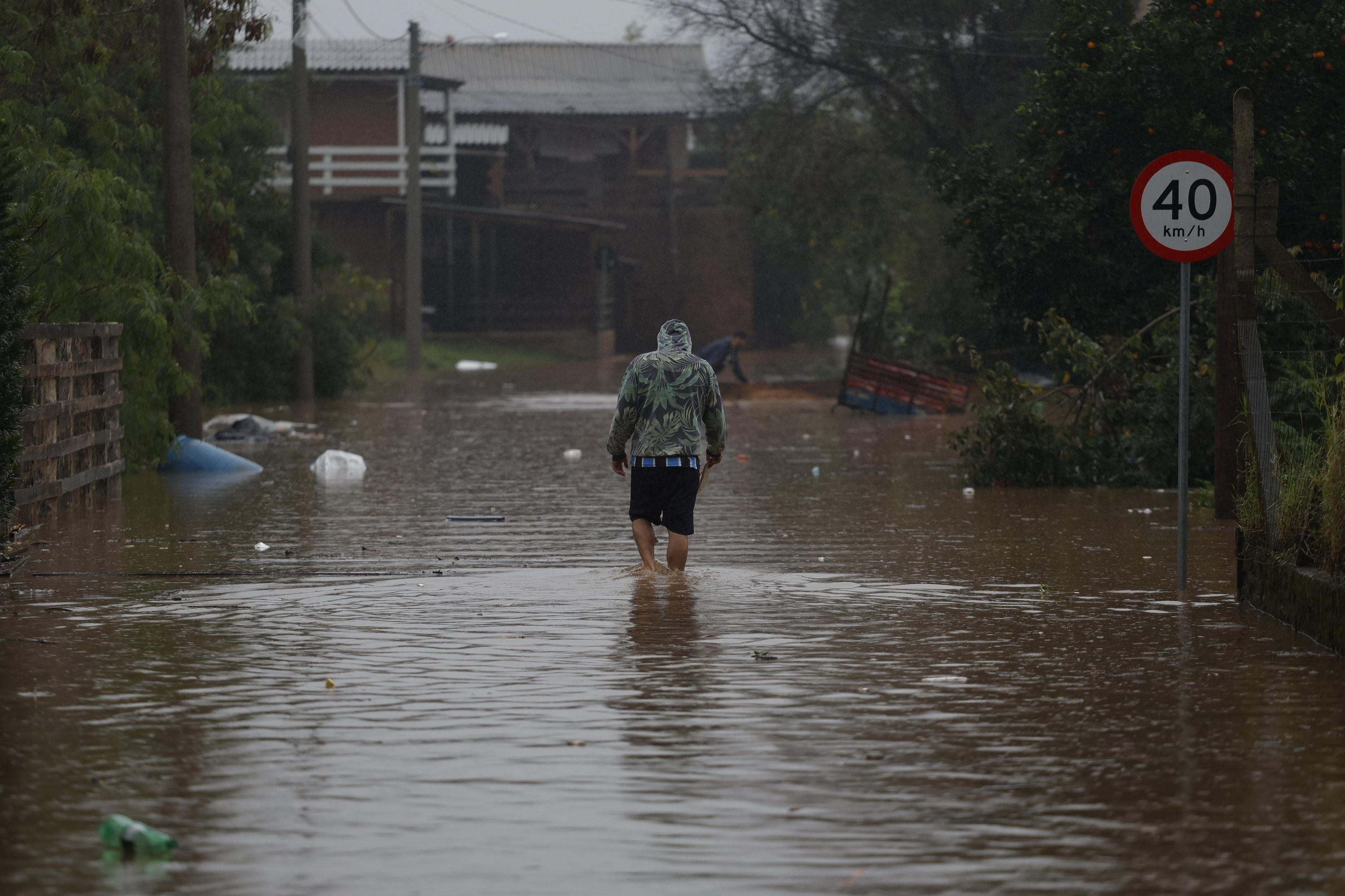
Rio Grande do Sul, Brazil, is bracing for a new cold front arriving on Saturday, October 1st, accompanied by severe weather warnings including thunderstorms and winds up to 100 km/h. This comes as the state is still grappling with the aftermath of recent heavy rains, which have already caused seven injuries and impacted 143 municipalities. Currently, 690 people are displaced and 856 are homeless due to the ongoing climate events.
The National Institute of Meteorology (Inmet) has issued danger alerts for thunderstorms and gales, forecasting up to 100 millimeters of rain per day, hail, and intense winds ranging from 60 to 100 km/h. The most affected regions include the Southwest, Southeast, Northwest, West-Central, East-Central, Northeast, Mountain, and the Porto Alegre Metropolitan area. Porto Alegre's Civil Defense also issued a warning for strong winds and rain showers valid from Saturday evening until Sunday morning.
River levels are a significant concern, with the state Civil Defense issuing "very high" flood risk warnings for the Guaíba River, particularly in the Ilhas region of Porto Alegre, and the Sinos River, affecting São Leopoldo and Novo Hamburgo. While levels in the Guaíba Basin are expected to stabilize and then gradually decline, other basins like Taquari and Caí are seeing falling water levels. The Uruguai River basin shows mixed behavior, with rising levels in the Middle Uruguai and São Borja, and falling levels in Itaqui and Uruguaiana. In Cachoeirinha, sandbags have been deployed to reinforce vulnerable areas against potential flooding from the Gravataí River, which has reached its flood stage. Despite a return to stable weather expected for most of Sunday, instability is forecast to return on Monday, October 3rd, with potential for isolated storms and winds up to 80 km/h, continuing into Tuesday, October 4th.
The recurring severe weather events in Rio Grande do Sul highlight the escalating impact of climate change on regional weather patterns, necessitating a re-evaluation of infrastructure resilience and disaster preparedness strategies. The state's response, involving Civil Defense advisories and flood mitigation measures, demonstrates an adaptive capacity. However, the repeated displacement of residents and damage to municipalities underscore systemic vulnerabilities. Future planning should consider long-term climate adaptation, integrating advanced meteorological forecasting with urban development and land-use policies to minimize exposure to extreme weather. The economic and social costs of these recurring events warrant a proactive approach, shifting from reactive disaster management to comprehensive climate risk reduction.
AI-generated to prompt reflection — not editorial opinion, not advice, not a statement of fact. How this works.