New 'Cold War' Type Emerging Post-Ukraine Invasion, Says Turkish Analyst
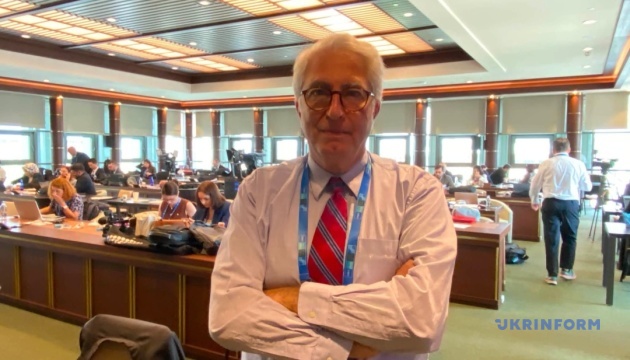
A Turkish analyst has stated that a new form of "cold war" is developing globally following Russia's full-scale invasion of Ukraine. This emerging geopolitical landscape suggests that military balance will once again become the primary determinant of political processes. The analyst's perspective highlights a potential shift back to a bipolar world order, where power dynamics are dictated by military strength rather than purely economic or ideological factors. This new type of cold war could reshape international relations and alliances. The emphasis on military balance implies a renewed focus on defense spending and strategic positioning among nations. It suggests that diplomatic efforts may be increasingly influenced by military capabilities and deterrence. The situation in Ukraine is seen as a catalyst for this significant global realignment.
The assertion of a new "cold war" type, driven by military balance post-Ukraine invasion, warrants examination of geopolitical incentive structures. This framing suggests a potential return to power politics, where state actors prioritize military might in international relations. Such a dynamic could lead to increased defense expenditures globally and a heightened risk of proxy conflicts. The emphasis on military balance, rather than economic interdependence or shared governance, may challenge existing international institutions and norms. Looking ahead, this trend could accelerate technological arms races and create new security dilemmas, potentially impacting global stability and resource allocation over the next decade.
AI-generated to prompt reflection — not editorial opinion, not advice, not a statement of fact. How this works.