New Constitutional Court President Defends Judicial Role Against Political Accusations
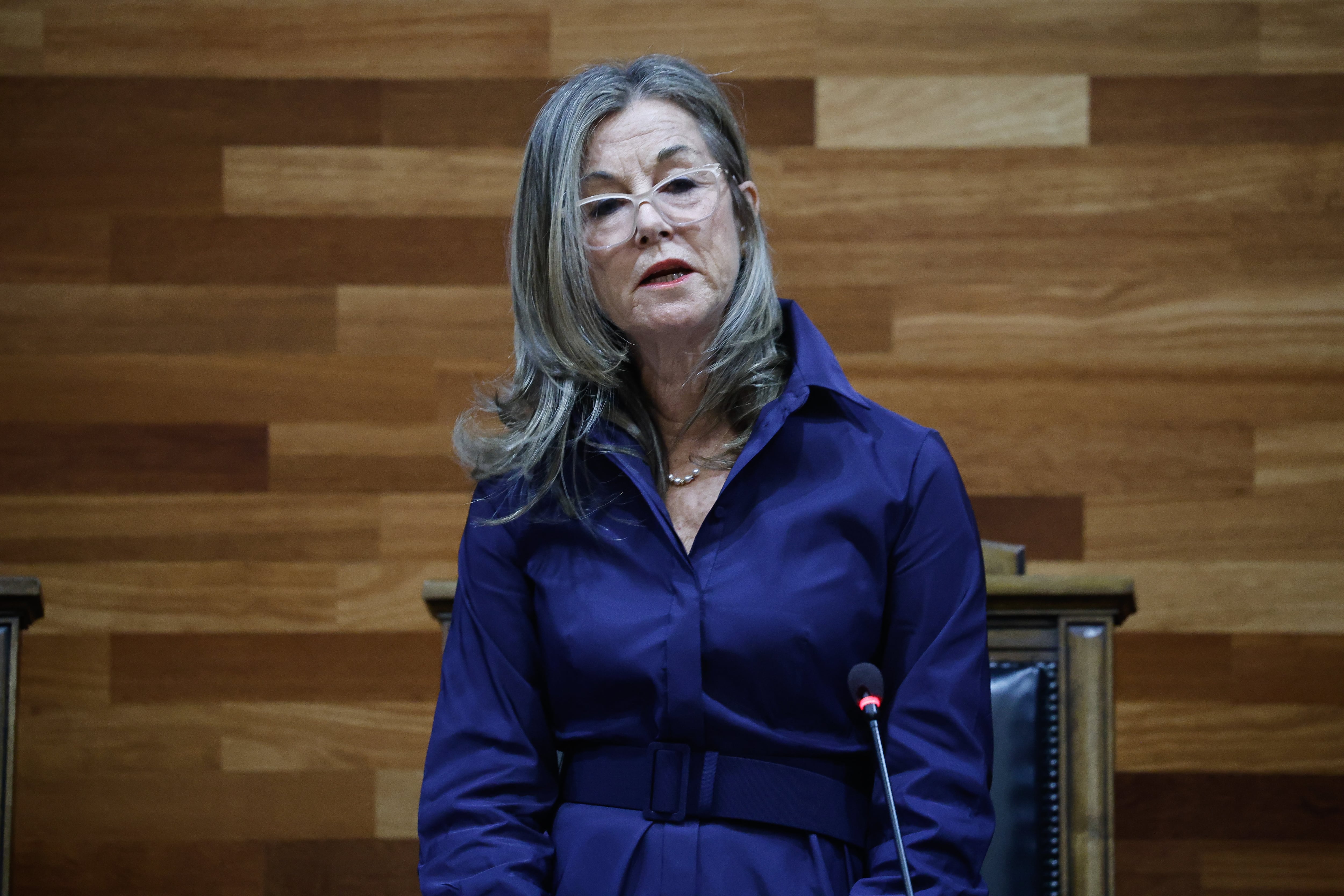
Nancy Silva has assumed the presidency of the Constitutional Court, succeeding Minister Daniela Marzi. Silva will hold this position until her term concludes. Following Silva's tenure, Minister Catalina Lagos is slated to take over the presidency, serving until July 10, 2028. In her remarks, Silva emphasized the nature of the Constitutional Court's oversight, asserting that the control exercised within the institution is not political in nature. This statement comes as the court navigates its role in the country's legal and political landscape. The transition in leadership marks a new phase for the court's operations and its public perception. The court's mandate involves reviewing the constitutionality of laws and governmental actions, a function that can sometimes draw political scrutiny. Silva's defense aims to clarify the court's independent judicial function.
The transition in leadership at the Constitutional Court highlights the ongoing tension between judicial independence and political perception. By asserting that the court's oversight is not political, President Silva is likely aiming to reinforce public trust in the institution's impartiality. This defense is crucial in an era where the judiciary's role in shaping public policy is increasingly scrutinized. The court's decisions, while based on constitutional interpretation, inevitably have significant societal and political implications. The challenge for the court, and for Silva, will be to maintain this perceived neutrality while fulfilling its mandate in a complex governance environment. Future leadership transitions will be key indicators of the court's ability to navigate these dynamics effectively over the next decade, particularly as technological advancements and societal shifts place new demands on constitutional frameworks.
AI-generated to prompt reflection — not editorial opinion, not advice, not a statement of fact. How this works.