New Controversy Surrounds France's 1998 World Cup Victory
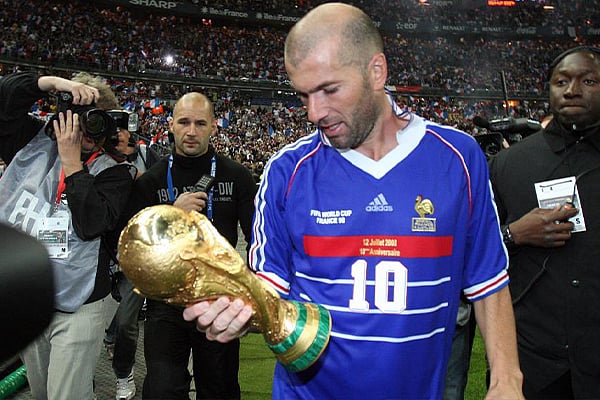
Nearly three decades after France's 1998 World Cup triumph, a new controversy has emerged regarding the team's doping tests. Former French Sports Minister Marie-Georges Buffet has admitted that doping tests for the French national team were suspended prior to the 1998 World Cup. This revelation comes almost thirty years after the team secured their historic victory on home soil. The decision to halt the tests raises questions about the integrity of the team's preparation and performance during that tournament. The former minister's statement has reignited discussions about fair play in international sports. It remains to be seen what implications this admission will have on the legacy of France's 1998 World Cup win. The timing of this admission, so long after the event, is also notable.
The admission by former French Sports Minister Marie-Georges Buffet that doping tests were suspended for the national team before the 1998 World Cup introduces a significant question mark over the fairness of that tournament's outcome. While the statement does not allege doping, the suspension of standard anti-doping protocols during a critical period warrants scrutiny. This situation highlights the importance of robust and consistently applied regulatory frameworks in professional sports, particularly at the highest international level. The long delay in this information coming to light could reflect historical challenges in transparency or a reluctance to address potentially uncomfortable truths. Moving forward, sports governance bodies face the ongoing challenge of ensuring equitable competition and maintaining public trust through rigorous and transparent testing procedures, especially as performance-enhancing technologies continue to evolve.
AI-generated to prompt reflection — not editorial opinion, not advice, not a statement of fact. How this works.
