New Drug Targets Identified for Neuropathic Pain
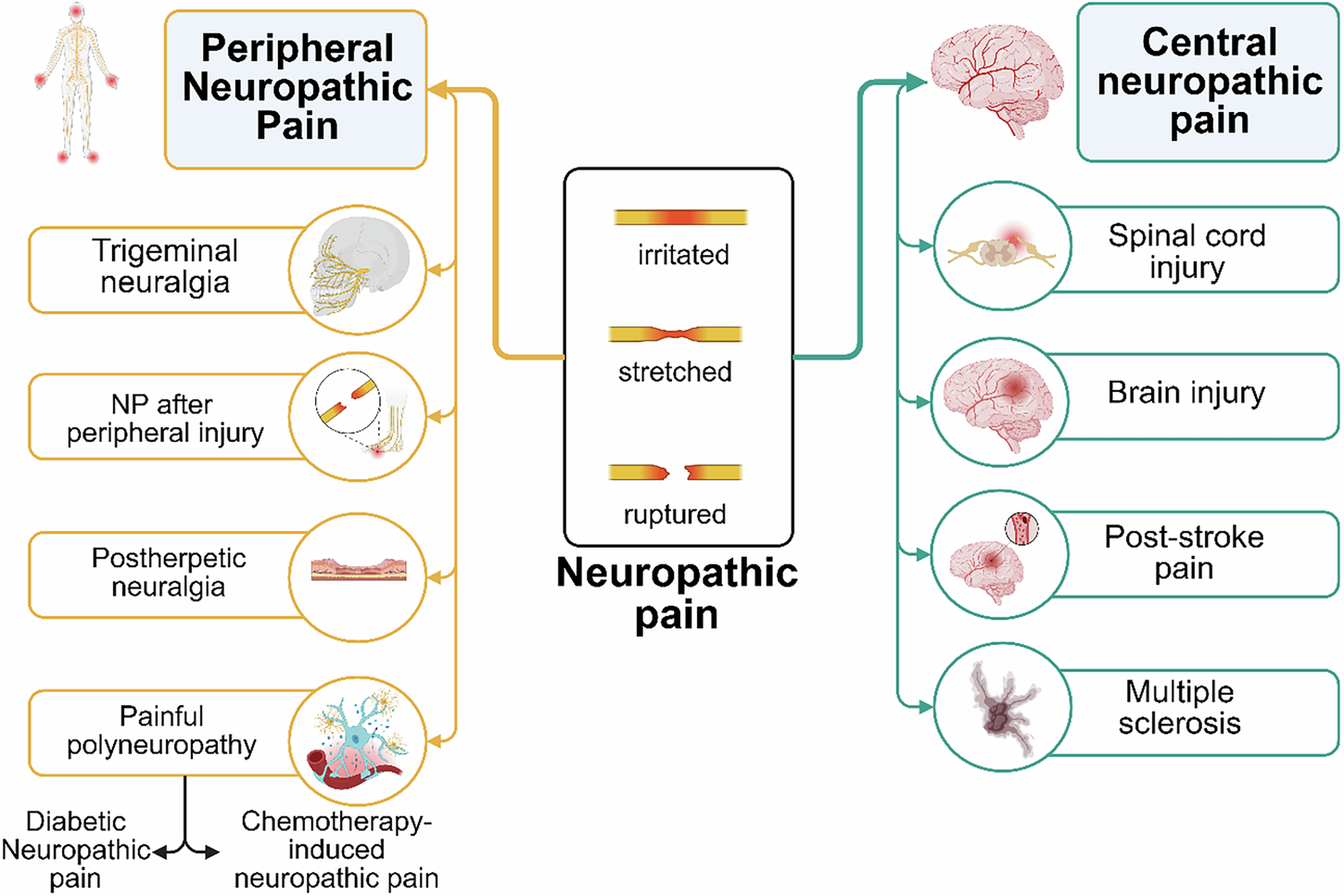
Researchers have identified specific druggable kinases that play a crucial role in the development and maintenance of neuropathic pain. This breakthrough offers a promising new avenue for developing effective treatments for this debilitating condition. Neuropathic pain, often caused by nerve damage from conditions like diabetes, shingles, or chemotherapy, is notoriously difficult to manage with existing therapies. The identified kinases are involved in signaling pathways that transmit pain signals from the periphery to the brain. By targeting these specific kinases, scientists aim to interrupt these pain signals at their source. This approach could lead to more targeted and potentially less toxic pain relief compared to current broad-acting analgesics. Further research will focus on developing selective inhibitors for these kinases and evaluating their efficacy and safety in preclinical and clinical trials. The ultimate goal is to provide relief for millions suffering from chronic neuropathic pain worldwide.
The identification of druggable kinases presents a significant opportunity to advance neuropathic pain treatment by offering a more targeted molecular approach. This strategy moves beyond broad-spectrum pain relief, aiming to modulate specific cellular pathways implicated in pain signaling. Future development will hinge on the ability to achieve high selectivity for target kinases, thereby minimizing off-target effects and improving patient safety profiles. The long-term success will depend on rigorous clinical validation and understanding the complex interplay of these kinases within the nervous system. This research aligns with a broader trend in pharmaceutical development towards precision medicine, seeking to tailor treatments to the underlying biological mechanisms of disease.
AI-generated to prompt reflection — not editorial opinion, not advice, not a statement of fact. How this works.