New Element Named After Astronomer Nicolaus Copernicus
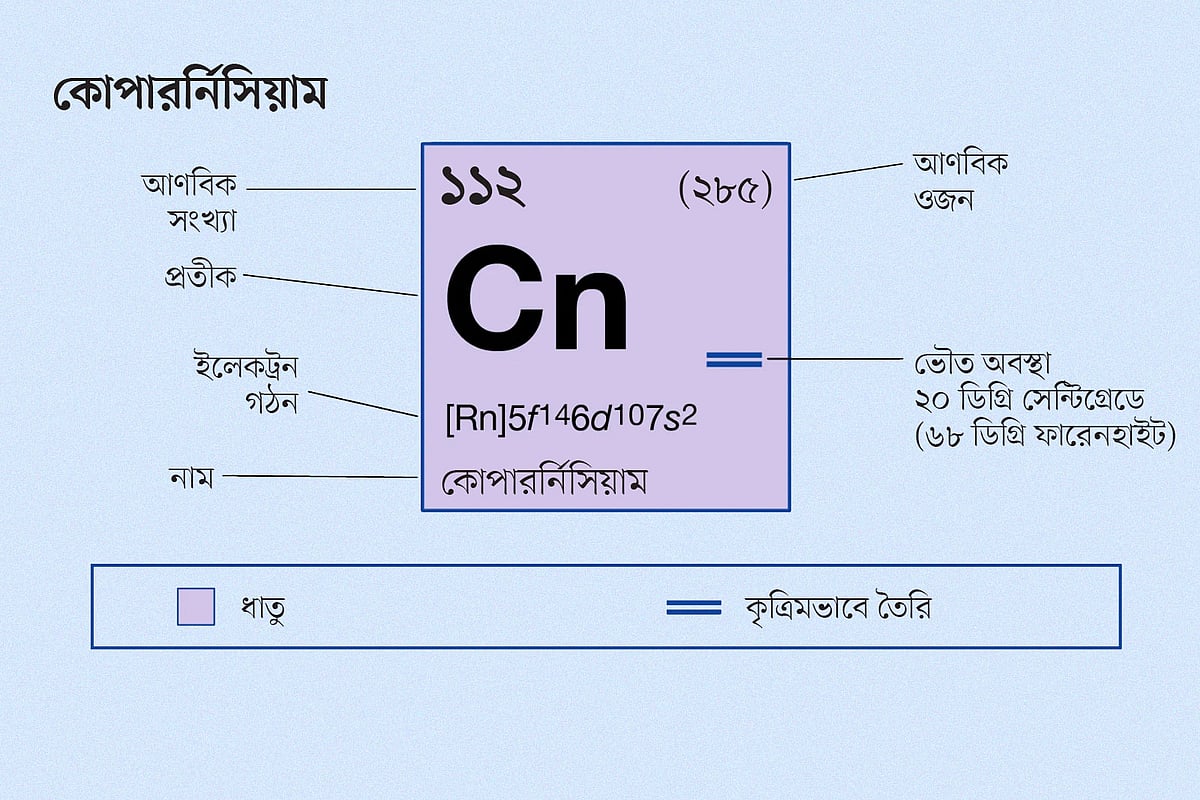
Scientists have successfully synthesized a new element, identified as an isotope of copernicium with a mass of 277. The breakthrough was achieved by bombarding a lead-208 target with zinc-70 ions for two weeks within a heavy-ion accelerator. The zinc ions were propelled at an astonishing speed of 30,000 kilometers per second. This intense collision process led to the creation of the new copernicium isotope. The naming of this element honors the renowned astronomer Nicolaus Copernicus, recognizing his significant contributions to science. This discovery marks another step forward in the field of nuclear physics and the ongoing quest to expand the periodic table.
The synthesis of new elemental isotopes, such as copernicium-277, demonstrates humanity's persistent drive to explore the fundamental building blocks of matter. The experimental methodology, involving high-energy ion bombardment, reflects sophisticated advancements in particle physics instrumentation. While the creation of such elements is scientifically significant, it also highlights the immense resources and specialized facilities required for fundamental research. The naming convention, honoring historical scientific figures like Copernicus, reinforces a cultural appreciation for scientific heritage. Future research may focus on the stability and potential applications of these superheavy elements, though practical uses remain speculative given their ephemeral nature and the challenges of production.
AI-generated to prompt reflection — not editorial opinion, not advice, not a statement of fact. How this works.