New Energy Rating System Guides Home Upgrades in Australia
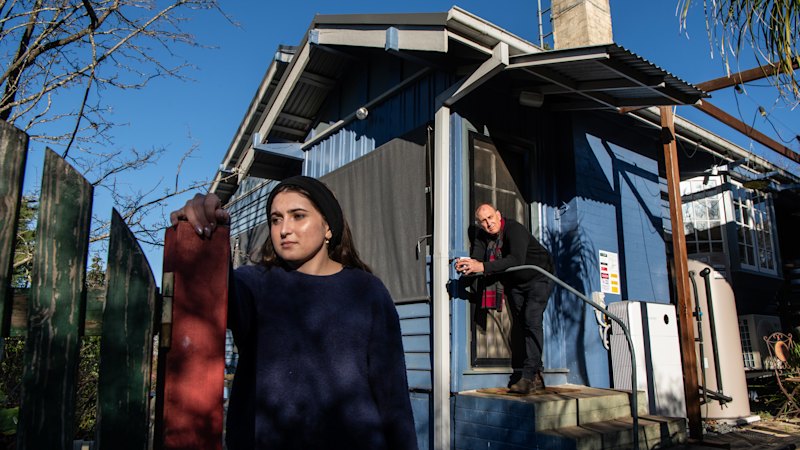
Australia has introduced a revamped energy efficiency standard, now encompassing both new constructions and existing homes. This initiative aims to improve the energy performance of residential buildings across the country. The updated standard, previously focused on new builds, has been expanded to include older properties, offering guidance for necessary upgrades. A specific example highlighted is a 1930s weatherboard cottage, which is set to benefit from this new framework. The homeowner described their residence as "like a damn tent," indicating a significant need for energy efficiency improvements. This expansion of the energy rating system is expected to drive renovations and retrofits, making homes more comfortable and sustainable. The program seeks to address issues such as poor insulation and inefficient heating and cooling systems commonly found in older housing stock. By providing a clear benchmark, the government hopes to encourage property owners to invest in energy-saving measures. This policy shift reflects a growing commitment to reducing the environmental impact of the housing sector and lowering energy costs for residents.
The expansion of Australia's energy efficiency rating system to include existing homes represents a strategic shift towards improving the nation's overall building stock performance. By providing a standardized metric for older properties, this initiative addresses a critical gap in sustainability efforts, moving beyond new construction to tackle the vast majority of existing housing. This policy acknowledges the long-term economic and environmental benefits of retrofitting, such as reduced energy consumption and greenhouse gas emissions, while also potentially increasing property values and occupant comfort. The challenge will lie in incentivizing homeowners, particularly those in older, less efficient dwellings, to undertake potentially costly upgrades. Future policy may need to consider tiered support mechanisms or financing options to ensure equitable access to these improvements, aligning with broader goals for climate resilience and energy security in the coming decade.
AI-generated to prompt reflection — not editorial opinion, not advice, not a statement of fact. How this works.