New EU Border Control System Triggers Up to 5-Hour Queues at European Airports
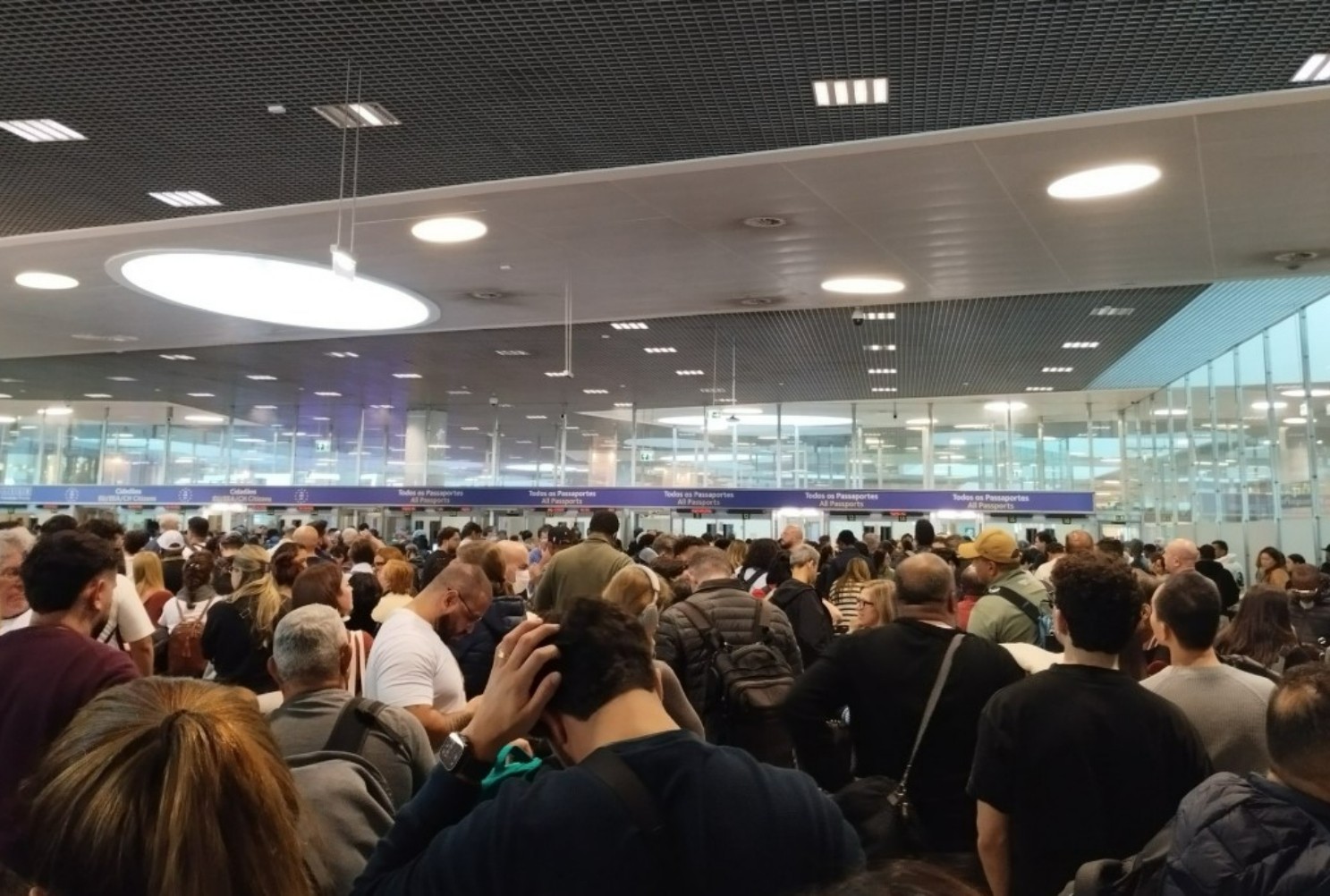
European airports are experiencing significant travel disruptions due to the implementation of the European Union's new Entry/Exit System (EES). Passengers, particularly those from outside the EU, are facing queues extending up to five hours, with some missing flights. This digital system replaces traditional passport stamps with biometric data collection, requiring travelers to register facial scans and fingerprints upon entry and exit. The EES became fully operational in April and has struggled to process passenger volumes, especially with the onset of the Northern Hemisphere's summer holiday season. European airport authorities have described the situation as reaching a "critical point," noting a substantial increase in passenger processing times. The European Commission states the EES aims to enhance border security without impeding legitimate travel, with efforts underway to mitigate passenger impact. However, the airline industry, including Ryanair, has criticized the system, arguing it is unprepared for peak summer travel and that passengers are being used as "guinea pigs." Airlines are requesting a temporary return to traditional passport checks at busy airports and a suspension of the new system until September. An estimated 40 million additional passengers are expected to travel through European airports in July and August, exacerbating pressure on the system.
The EU's EES implementation highlights a common tension between enhanced security measures and operational efficiency in border management. While the system's objective of bolstering security is understandable, its current performance suggests a potential mismatch between technological deployment and real-world passenger throughput, particularly during peak travel periods. The airline industry's concerns about readiness and the suggestion of temporary reverts to older methods point to systemic challenges in scaling new technologies under heavy demand. Future iterations of such systems may need to incorporate more robust pilot testing, phased rollouts, and flexible operational frameworks to balance security imperatives with the economic and social necessity of seamless international travel, especially as AI-driven border technologies become more prevalent.
AI-generated to prompt reflection — not editorial opinion, not advice, not a statement of fact. How this works.