New European Telescope Aims to Map the Universe's Hidden, Dusty Half
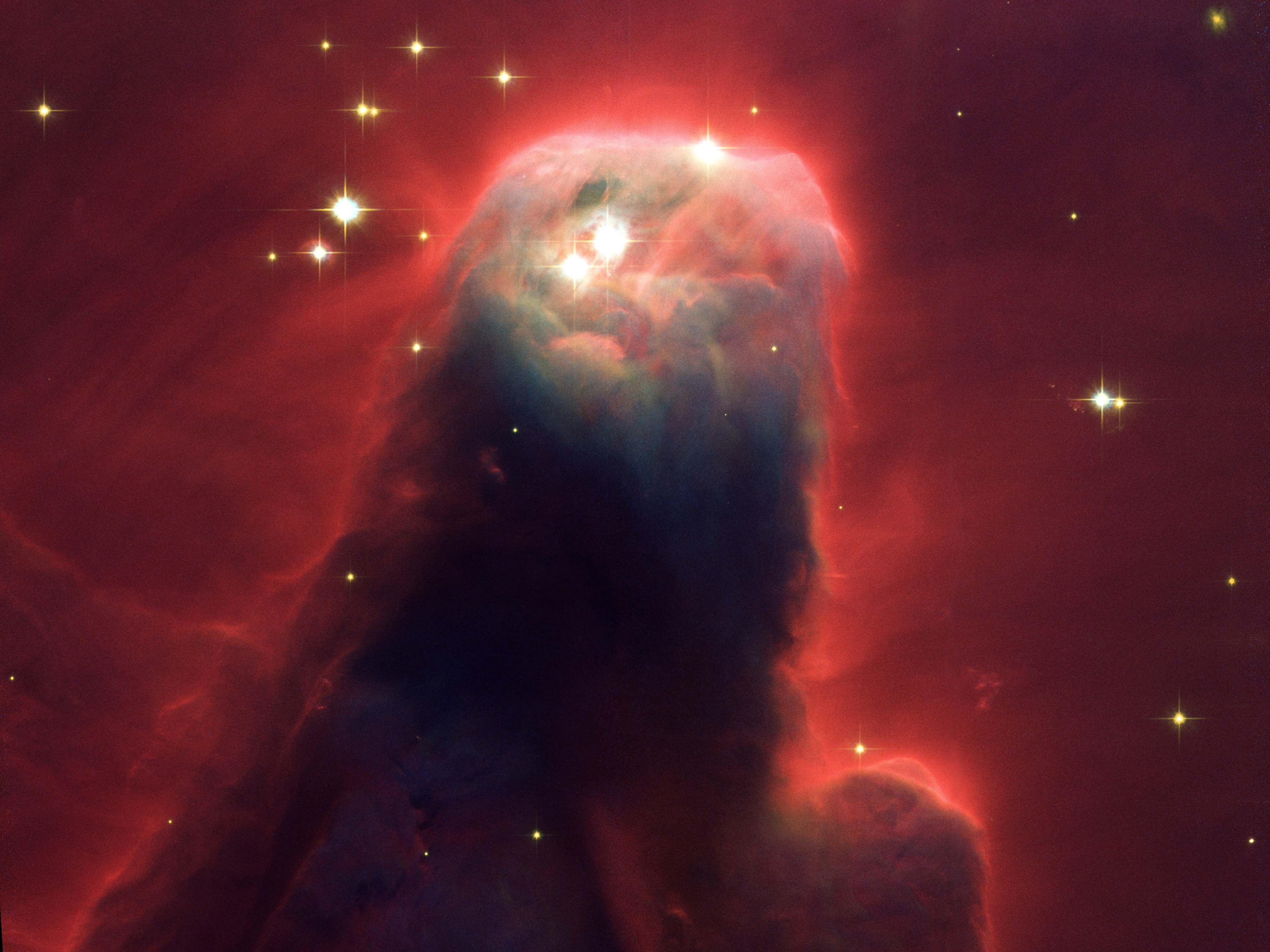
A new European observatory is poised to map the portion of the universe obscured by cosmic dust, which constitutes roughly half of all observable space. This "hidden" universe is filled with galaxies whose light is blocked by interstellar dust clouds. The observatory's primary mission is to penetrate this dusty veil and provide the first comprehensive map of these buried galaxies. By doing so, scientists hope to gain unprecedented insights into galaxy formation and evolution in environments that have previously been inaccessible to observation. The project represents a significant leap forward in our ability to study the cosmos, potentially revealing fundamental aspects of cosmic structure and history. The initiative is European, highlighting a collaborative effort in astronomical research. This endeavor could fundamentally alter our understanding of the universe's composition and development over billions of years.
This ambitious European project aims to overcome observational limitations imposed by interstellar dust, a common challenge in astronomy. By focusing on the universe's obscured half, the observatory seeks to address a significant gap in our cosmic knowledge. Understanding galaxy evolution in dusty environments is crucial for a complete picture of the universe's history and structure. The success of this initiative could refine cosmological models and highlight the diverse conditions under which galaxies form and thrive, potentially revealing new insights into dark matter and dark energy interactions within these hidden regions.
AI-generated to prompt reflection — not editorial opinion, not advice, not a statement of fact. How this works.