New European Train Route Highlights Booking Challenges
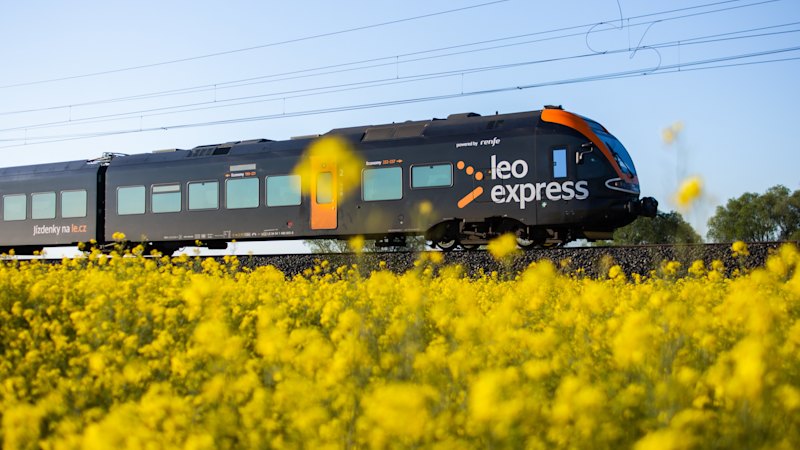
Launched last month, Leo Express operates one of the longest train routes of its kind in Europe, spanning 1300 kilometers across three countries. Despite its impressive length, the service also serves as an example of the difficulties travelers face when attempting to book train journeys throughout the continent. The route's existence underscores a growing demand for inter-European rail travel, but its operational challenges reflect broader systemic issues within the booking and ticketing infrastructure. This new service aims to connect different regions, potentially reducing reliance on air travel and contributing to environmental sustainability goals. However, the complexities in booking highlight the need for greater integration and standardization of rail ticketing systems across European nations. Travelers may encounter difficulties in purchasing tickets, planning multi-leg journeys, or understanding fare structures due to the fragmented nature of the current system. The success of Leo Express and similar initiatives may depend on overcoming these booking hurdles to provide a seamless and attractive alternative to other modes of transport.
The introduction of the Leo Express, a 1300km train service across three European countries, signals a positive trend towards more integrated and sustainable continental travel. However, the service's concurrent highlighting of booking difficulties suggests a systemic lag in digital infrastructure and cross-border cooperation within the European rail sector. This friction point between ambitious service expansion and user experience indicates an opportunity for technological innovation in unified booking platforms and fare aggregation. Over the next decade, as climate concerns and technological advancements accelerate, the demand for efficient, interconnected rail networks will likely intensify. Addressing these booking inefficiencies is crucial for realizing the full potential of European rail as a competitive and environmentally responsible alternative to air and road travel, requiring a concerted effort from national rail operators and EU policymakers to streamline processes and enhance interoperability.
AI-generated to prompt reflection — not editorial opinion, not advice, not a statement of fact. How this works.