New Fibrous Muscles Developed for Humanoid Robots
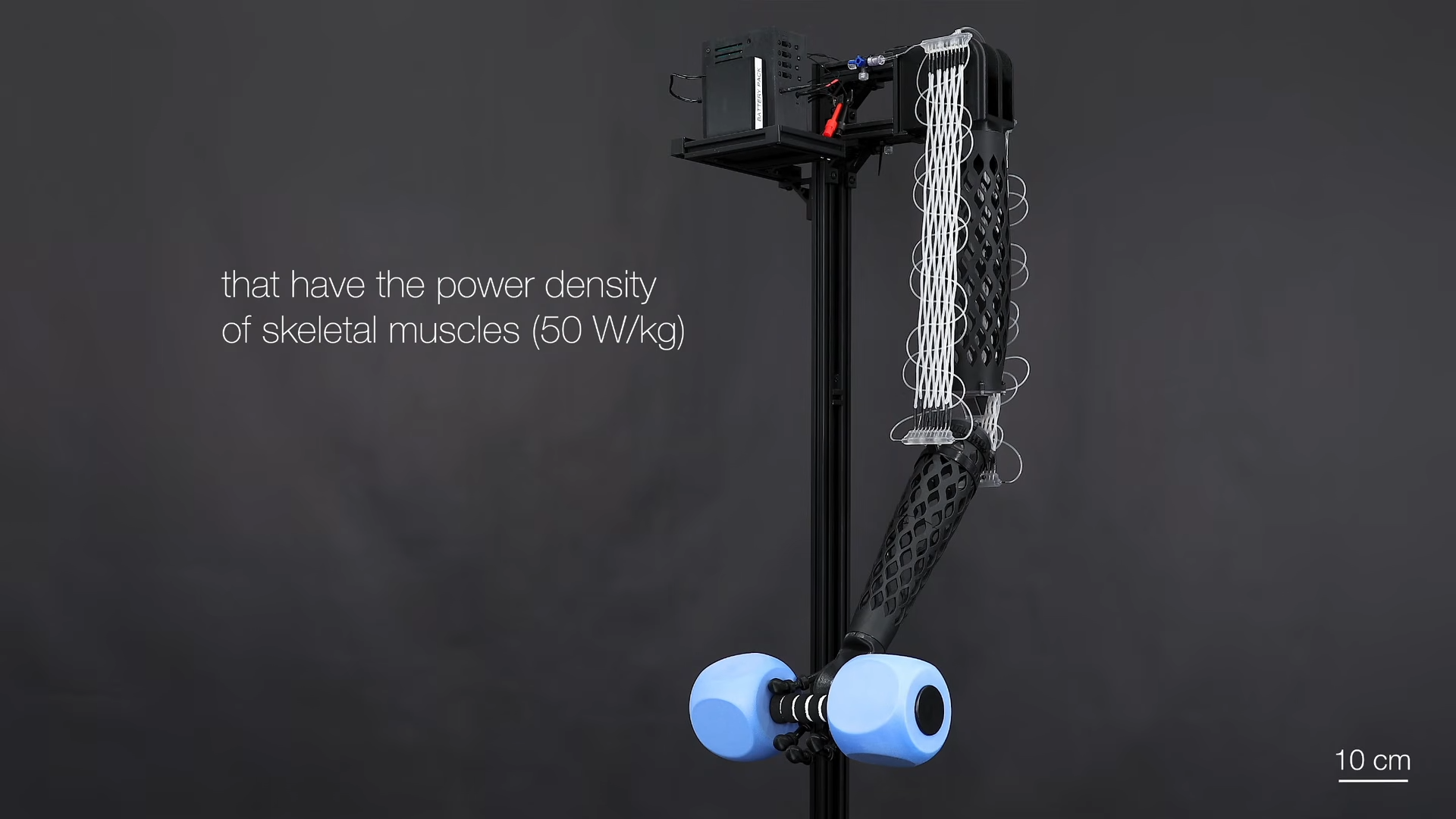
Researchers have developed new fibrous muscles designed for humanoid robots, addressing a key area of robotics development. While the prospect of advanced robotics might evoke images of science fiction scenarios, the current focus is on creating more functional and capable robotic systems. This advancement in artificial muscle technology is a significant step towards building robots that can perform more complex physical tasks. The development aims to enhance the dexterity and range of motion in humanoid robots, bringing them closer to mimicking human physical capabilities. This innovation could have broad applications in various fields, including manufacturing, healthcare, and exploration. The ongoing progress in robotics highlights a continuous effort to bridge the gap between artificial intelligence and physical embodiment. The creation of these fibrous muscles represents a notable achievement in the quest for more sophisticated and versatile robotic platforms.
The development of advanced fibrous muscles for humanoid robots represents a significant stride in artificial embodiment, moving beyond mere computational power to physical interaction. This technological progression, while promising enhanced capabilities for robots in diverse applications, also necessitates careful consideration of the ethical and societal implications. As robots become more physically adept, questions surrounding their integration into human environments, potential impacts on employment, and the establishment of appropriate governance frameworks will become increasingly critical. The trajectory suggests a future where human-robot collaboration is more seamless, but this requires proactive planning to ensure safety, equity, and responsible deployment, aligning technological advancement with human values and societal well-being over the next decade.
AI-generated to prompt reflection — not editorial opinion, not advice, not a statement of fact. How this works.