New fly species discovered living undetected among a million wasps
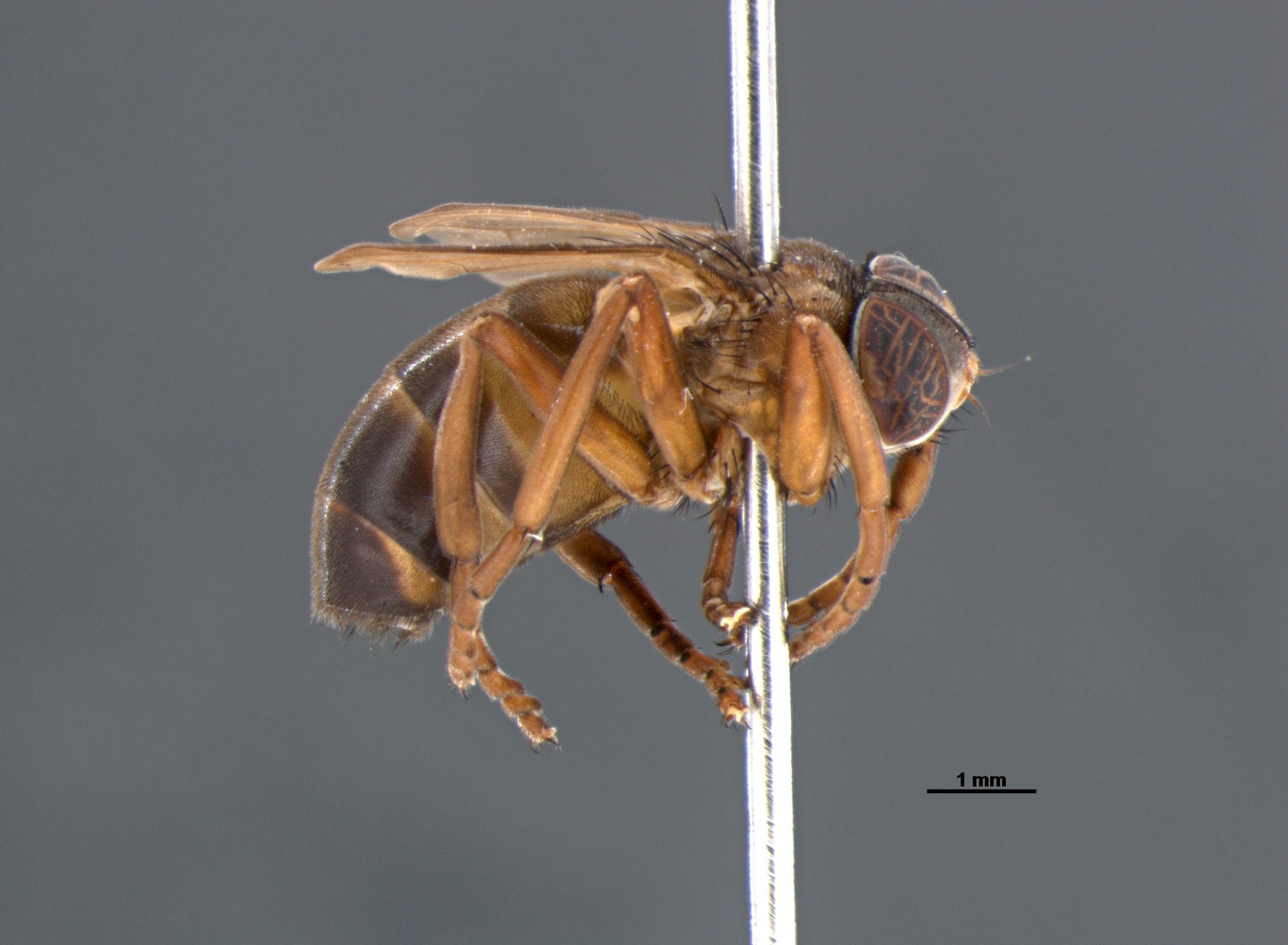
Scientists have identified a new species of fly, named Brevialata deceptrix, which exhibits an unusual behavior of living undetected within the nests of Agelaia vicina wasps. These wasps are known for forming the world's largest social colonies, potentially housing up to one million individuals. The fly was discovered in nests collected in Cajuru, São Paulo, Brazil, and researchers observed it coexisting with the wasps without being attacked, even inside their densely populated nests. The exact reasons for this tolerance and the fly's life cycle remain a mystery, including whether it spends its entire life within the nest and which organism serves as a host for its larvae. Researchers are now seeking to study these flies in more detail to unravel these questions. The initial specimens were collected in 1993 but remained unidentified in the Museum of Zoology at the University of São Paulo for decades until a post-doctoral researcher revisited the collection. Belonging to the Tachinidae family, which primarily consists of parasitoid species, it is highly probable that Brevialata deceptrix also exhibits parasitoid behavior, likely targeting wasp larvae or other insects within the nest. The fly, measuring approximately 0.6 centimeters, possesses reduced wings and robust legs, adaptations potentially aiding its movement within the confined spaces of the wasp nest. Living among such a large wasp colony likely offers the fly significant protection from predators. However, the females of the species have yet to be found, with only males collected so far, leading researchers to hypothesize that females reside within the nests.
This discovery highlights the intricate and often hidden ecological interactions within insect societies. The fly's ability to integrate into a massive wasp colony without apparent conflict suggests sophisticated co-evolutionary adaptations, potentially involving chemical mimicry or behavioral camouflage. Understanding the precise nature of this relationship—whether parasitic, commensal, or something more complex—will shed light on the resilience and adaptability of life in extreme environments. Future research into the fly's life cycle and host-parasite dynamics could offer novel insights into biological control strategies and the broader principles of social insect community structure, particularly in the face of environmental changes that may disrupt existing ecosystems.
AI-generated to prompt reflection — not editorial opinion, not advice, not a statement of fact. How this works.