New fossil goose discovery reshapes understanding of New Zealand's avian evolution
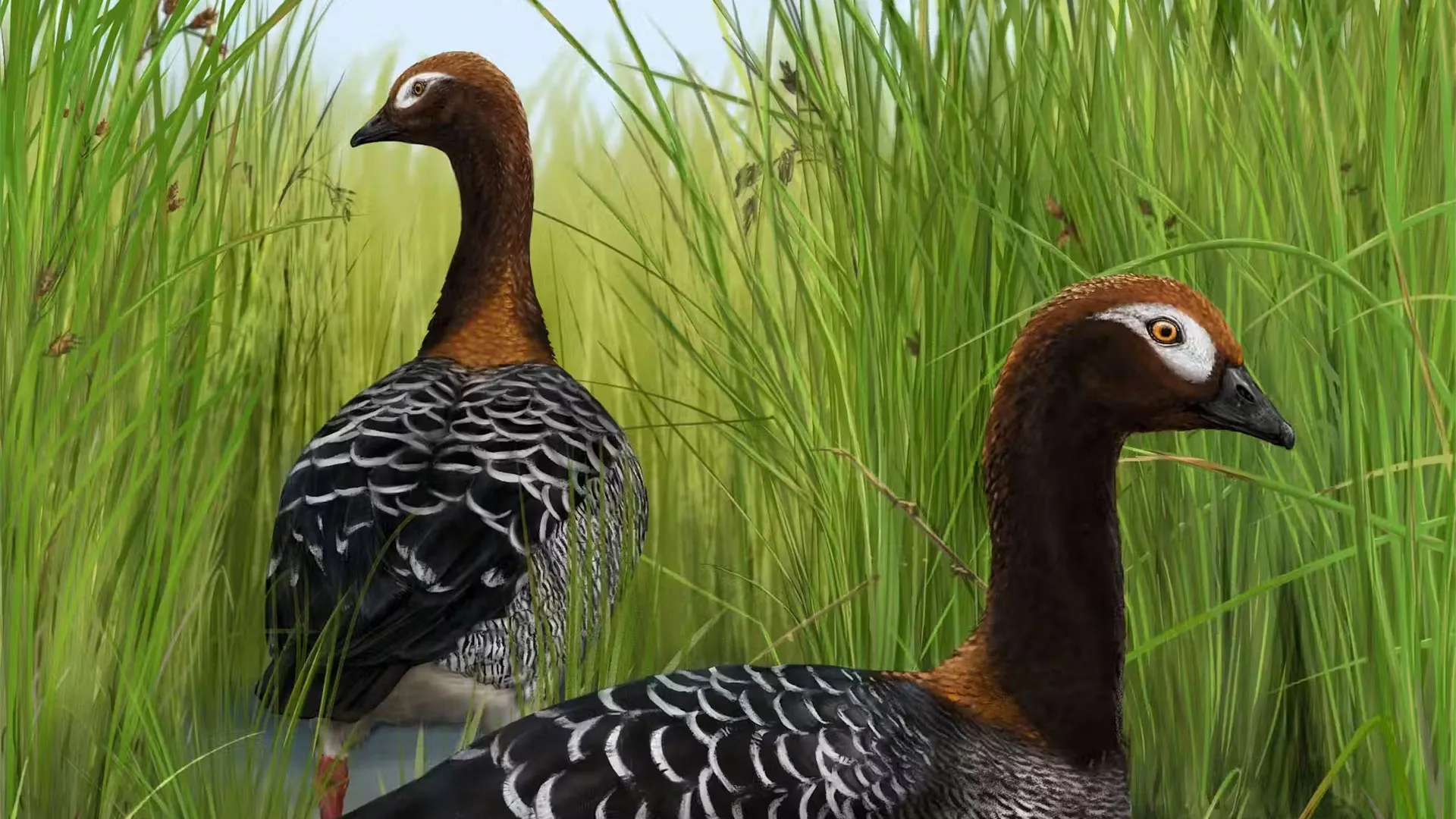
Scientists have unearthed a previously unknown fossil goose in New Zealand, a discovery that is prompting a reevaluation of long-held theories regarding the evolution of the country's unique bird species. This remarkable find suggests that the giant, flightless geese for which New Zealand is known may have evolved from avian ancestors that arrived much more recently than previously theorized. The implication is that New Zealand's bird populations have a more complex and dynamic evolutionary history than scientists had previously understood. This challenges the established narrative that these large, terrestrial birds were ancient inhabitants that adapted over vast geological timescales. The discovery points to a more fluid process of colonization and diversification among New Zealand's fauna. Further research is expected to shed more light on the specific timeline and migratory patterns of these ancestral geese.
This fossil discovery challenges established evolutionary timelines, suggesting that New Zealand's endemic megafauna may have emerged from more recent migratory events rather than solely ancient diversification. Such findings highlight the dynamic nature of island biogeography and the potential for rapid evolutionary adaptation following colonization. Understanding the precise timing and origins of these arrivals is crucial for refining ecological models and conservation strategies, particularly in light of ongoing anthropogenic pressures on biodiversity. The implications extend to broader questions about the resilience and adaptability of species in isolated ecosystems when faced with new environmental conditions and competitive pressures.
AI-generated to prompt reflection — not editorial opinion, not advice, not a statement of fact. How this works.