New Framework Links Depression to Neuroimmune, Metabolic, and Oxidative Imbalances
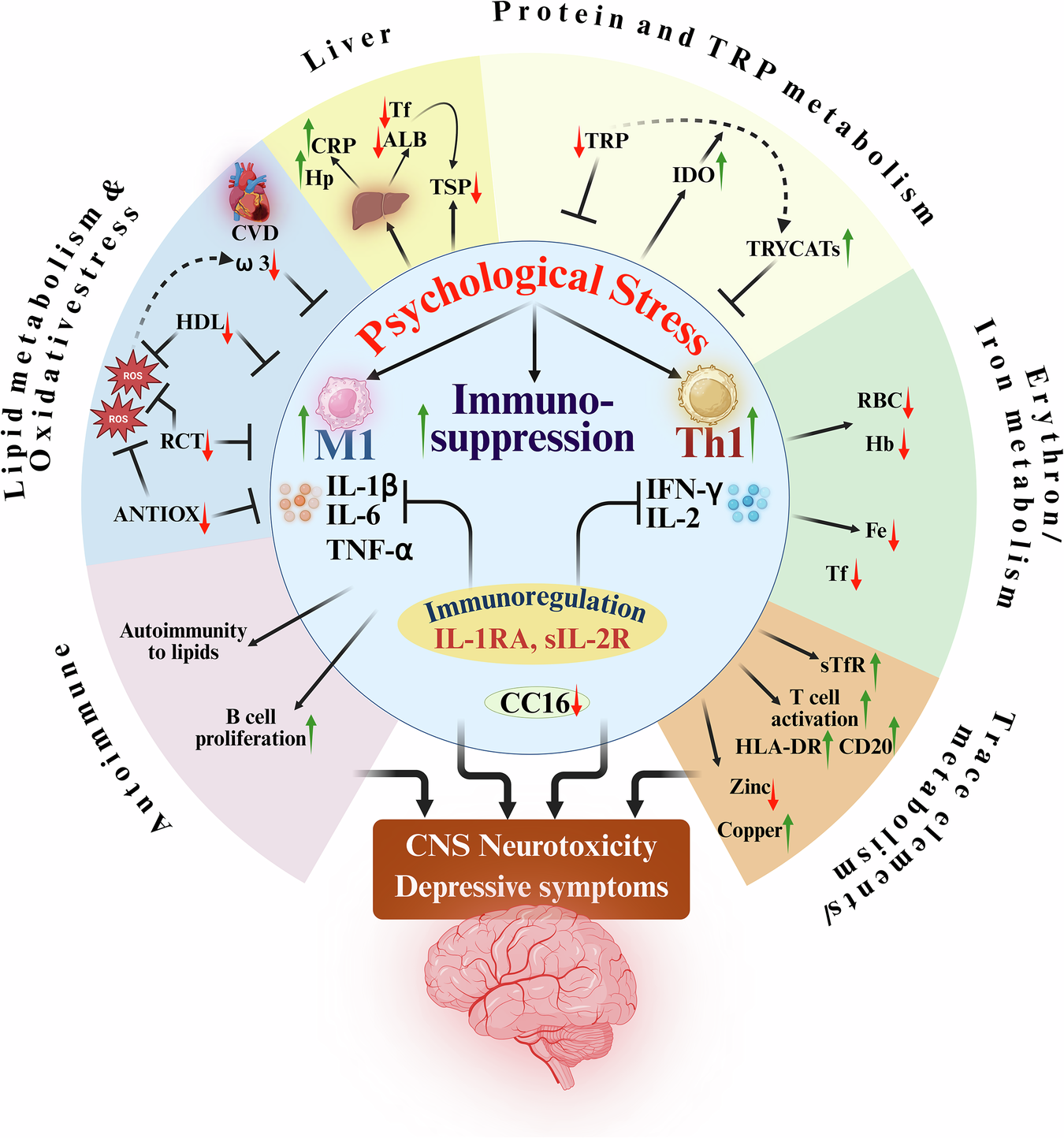
Researchers have proposed a new mechanistic systems framework called NIMETOX (neuroimmune–metabolic–oxidative) to unify the diverse hallmarks of major depressive disorder (MDD). This framework suggests that the core features of depression can be understood as arising from interconnected dysregulations within these three key biological systems. The NIMETOX model aims to provide a more integrated perspective on the complex pathophysiology of MDD, moving beyond single-factor explanations. By identifying common pathways and interactions, it offers a potential foundation for developing more targeted and effective therapeutic strategies. The researchers believe this approach can help explain the heterogeneity observed in depressive symptoms and treatment responses. Understanding these complex interactions is crucial for advancing our knowledge of mental health and developing novel interventions. This systems-level approach highlights the need to consider the interplay between the nervous, immune, and metabolic systems, as well as oxidative stress, in the development and manifestation of depression. Ultimately, the NIMETOX framework seeks to bridge the gap between basic science research and clinical practice by offering a unifying mechanistic explanation for MDD.
The proposed NIMETOX framework offers a systems-level perspective on major depressive disorder, integrating neuroimmune, metabolic, and oxidative pathways. This approach moves beyond reductionist models by emphasizing the interconnectedness of biological systems, which may better reflect the complexity of MDD. By focusing on shared dysregulations, NIMETOX could potentially guide the development of novel, multi-target interventions. Future research will be critical to validate these proposed mechanistic links and assess their clinical utility in predicting treatment response or identifying patient subgroups. The framework's success will depend on its ability to generate testable hypotheses that advance our understanding of depression's etiology and inform personalized medicine strategies in the coming decade.
AI-generated to prompt reflection — not editorial opinion, not advice, not a statement of fact. How this works.