New Fuel-Free Thruster Harnesses Earth's Magnetic Field for Spacecraft Propulsion
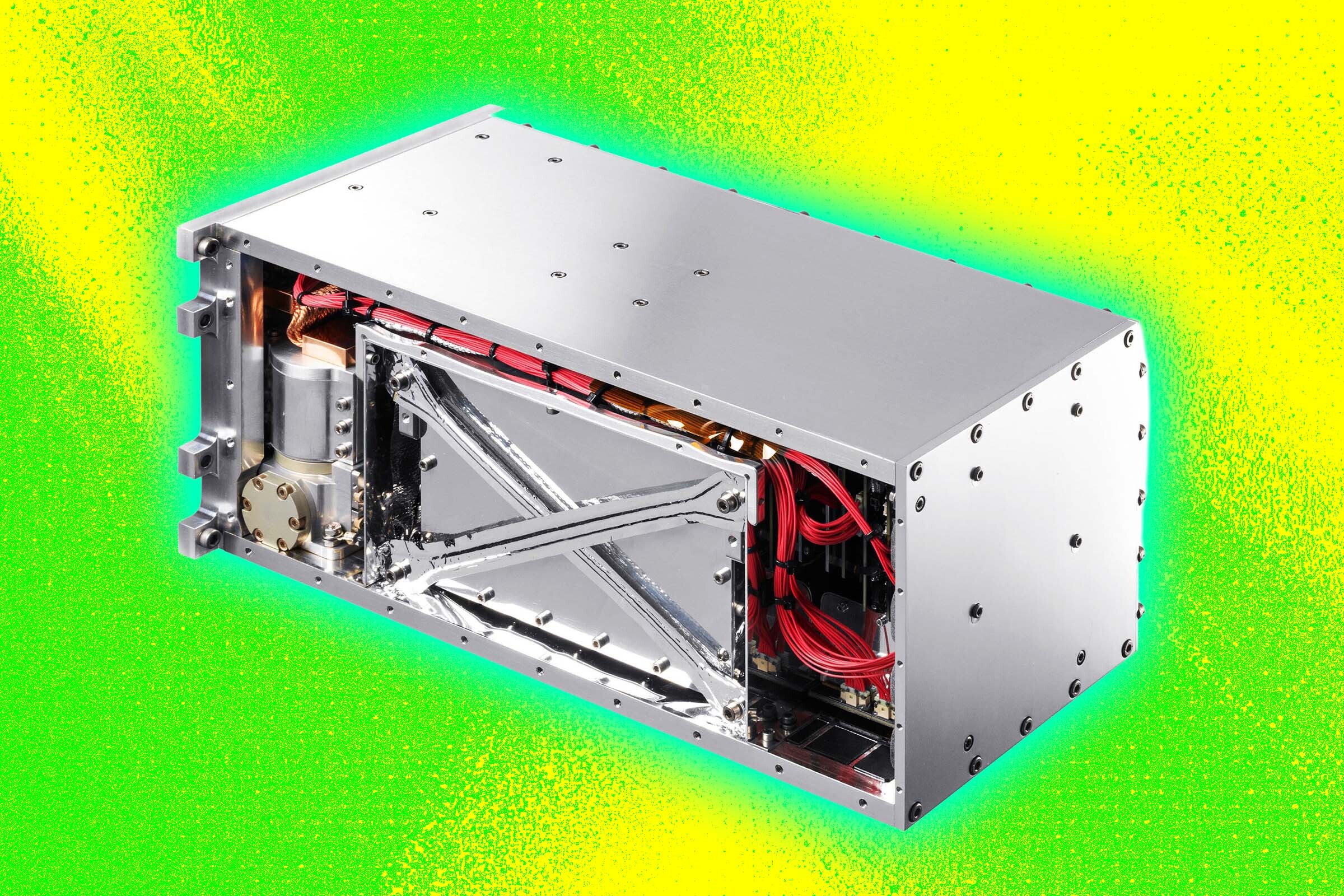
Scientists have successfully tested a novel spacecraft thruster that operates without expending any fuel. This innovative propulsion system utilizes Earth's magnetic field to generate acceleration. The technology promises a significant advancement in space travel by eliminating the need for traditional propellant. This could lead to longer missions, increased payload capacity, and reduced launch costs for future space exploration endeavors. The successful orbital test marks a critical milestone in developing sustainable and efficient methods for spacecraft maneuvering. Further development could revolutionize how we design and operate spacecraft in Earth's orbit and potentially beyond.
This development in fuel-free propulsion represents a potential paradigm shift in space exploration economics and capabilities. By leveraging ambient planetary magnetic fields, spacecraft could achieve sustained acceleration without the mass and logistical constraints of carrying propellant. This innovation could significantly reduce the cost per kilogram to orbit and enable missions previously deemed unfeasible due to fuel limitations. The long-term implications include more accessible space infrastructure, extended scientific observation periods, and enhanced debris removal capabilities. Future research will likely focus on scaling this technology for larger spacecraft and assessing its efficacy in different orbital regimes and interplanetary space.
AI-generated to prompt reflection — not editorial opinion, not advice, not a statement of fact. How this works.