New Greek ID Cards Require Updates to Personal Information for Services
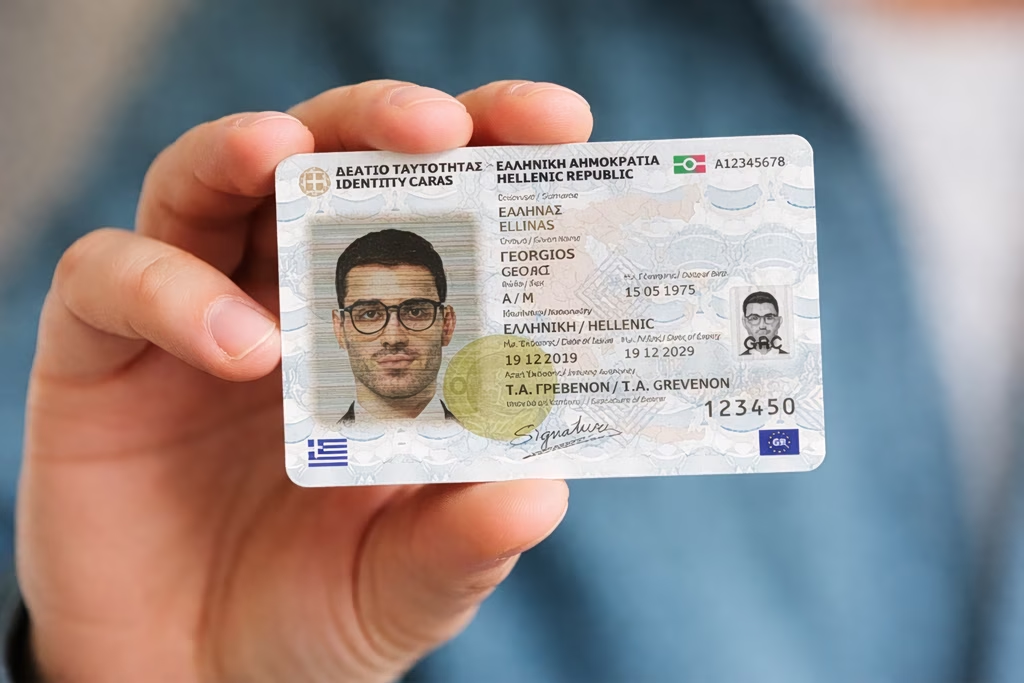
The introduction of new identity cards in Greece necessitates that citizens update their personal information with various institutions. This change affects daily transactions with banks, insurance companies, service providers, and private entities. Following the issuance of the new ID, individuals must proactively inform these organizations of their updated details to prevent potential delays or complications in their dealings.
The process ensures that all records remain current, facilitating smoother interactions and compliance with identification requirements. Citizens are advised to be diligent in updating their information across all relevant platforms to maintain uninterrupted access to services. This measure is crucial for both personal convenience and the integrity of official records.
The implementation of new identification cards in Greece signals a broader trend towards digital identity management and data synchronization. While intended to streamline processes and enhance security, such transitions invariably create administrative burdens for citizens and require robust data management systems from service providers. The effectiveness of this initiative will depend on clear communication, accessible update channels, and the ability of institutions to integrate new data seamlessly. Over the next decade, the focus will likely shift towards interoperable digital identity frameworks that reduce the need for repeated manual updates, potentially leveraging blockchain or secure cloud-based solutions to enhance efficiency and user experience while mitigating risks of data fragmentation and obsolescence.
AI-generated to prompt reflection — not editorial opinion, not advice, not a statement of fact. How this works.