New Horizons Probe Awakens Near Pluto After Long Hibernation
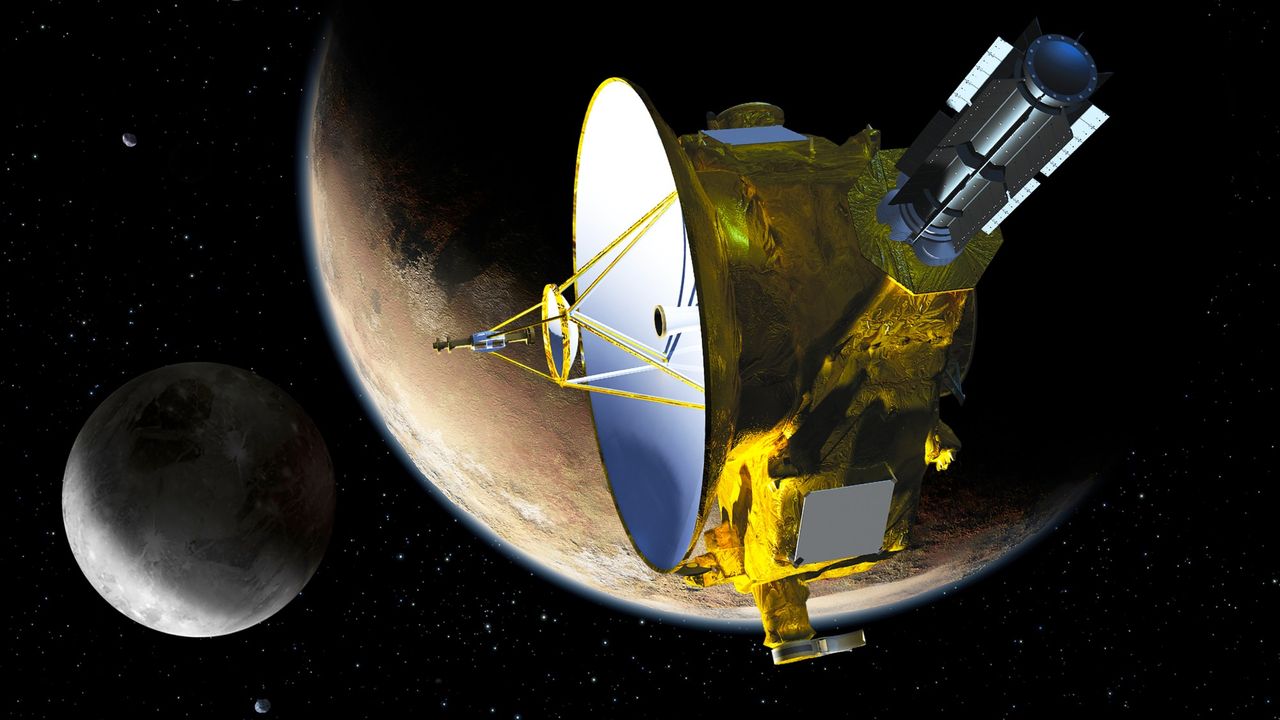
NASA's New Horizons probe has successfully emerged from hibernation, nearly a year after entering its dormant state. The spacecraft is currently located almost 6 billion miles from Earth, well beyond the orbit of Pluto. Mission controllers confirmed that the probe is in good health following its period of inactivity. This awakening marks the beginning of its next operational phase. New Horizons is the first spacecraft to conduct a close flyby of Pluto and the Kuiper Belt. It continues to travel further into the outer solar system. The probe's mission is to explore distant worlds and gather data about the Kuiper Belt Objects. Its extended mission aims to study two more Kuiper Belt Objects. This awakening is crucial for its ongoing scientific objectives.
The successful awakening of the New Horizons probe, after a year-long hibernation at an immense distance, highlights the robust engineering and operational capabilities of deep-space missions. This event underscores the long-term viability of scientific exploration beyond the inner solar system, even with aging technology. As the probe continues its journey, its operational status and data transmission capabilities will be critical for understanding the outer reaches of our solar system. The mission's longevity and continued scientific return, despite its distance from Earth, offer insights into the potential for sustained exploration in an era increasingly focused on rapid technological advancement and resource allocation for new ventures.
AI-generated to prompt reflection — not editorial opinion, not advice, not a statement of fact. How this works.