New Horizons Spacecraft Awakens for New Scientific Mission Beyond Pluto
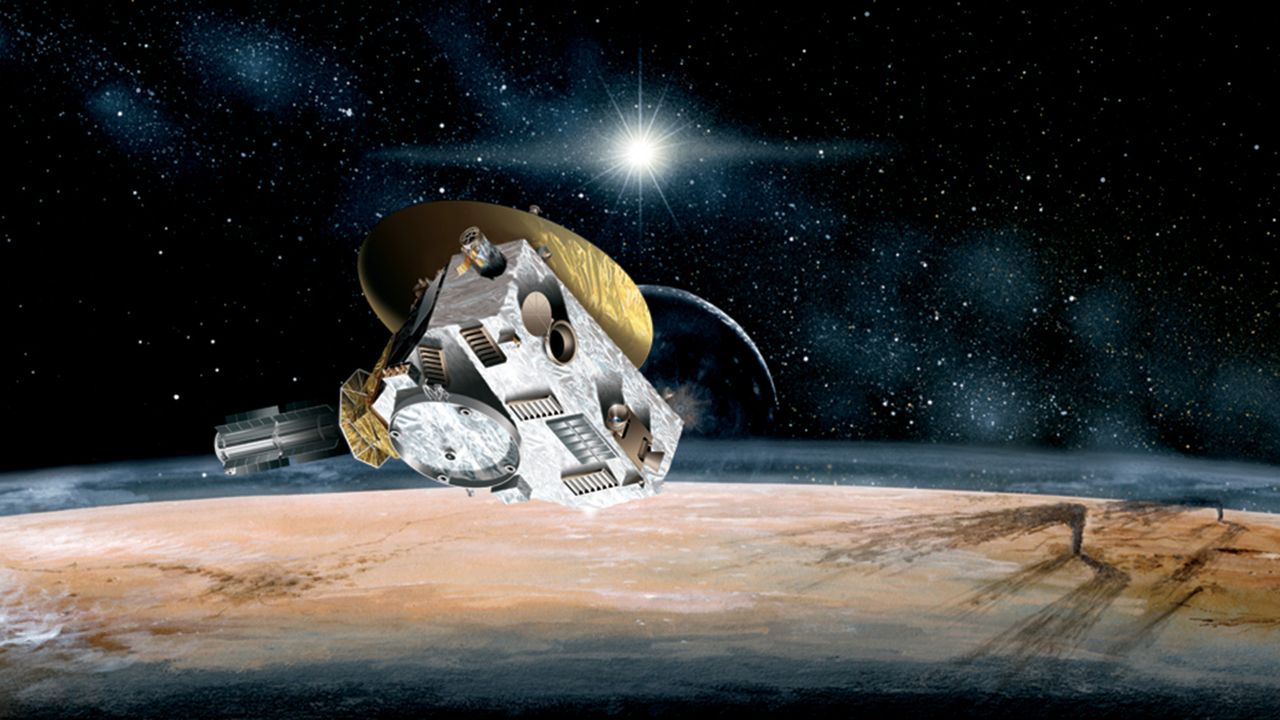
NASA's New Horizons spacecraft has successfully emerged from a 321-day hibernation period. The spacecraft is reported to be in "good health" and is now resuming its scientific mission. This phase of its exploration is focused on conducting unprecedented science operations at the far reaches of the solar system. New Horizons, known for its record-breaking achievements, will continue its journey beyond Pluto. The mission aims to gather new data and insights from the outer solar system. This awakening marks a significant step in extending humanity's understanding of the Kuiper Belt and beyond. The spacecraft's continued functionality is crucial for achieving these advanced scientific objectives.
The successful awakening of the New Horizons spacecraft signifies a sustained commitment to deep space exploration beyond the traditional planetary system. This mission's extended operational life and its ability to enter and exit hibernation modes highlight advancements in spacecraft longevity and autonomous systems management. As the spacecraft continues its journey into uncharted territories, the data it collects will be instrumental in refining models of solar system formation and evolution. The long-term strategic value lies in its potential to uncover novel celestial bodies and phenomena, contributing to a more comprehensive understanding of the Kuiper Belt's composition and dynamics. This ongoing exploration serves as a testament to the enduring scientific curiosity driving humanity's reach into the cosmos.
AI-generated to prompt reflection — not editorial opinion, not advice, not a statement of fact. How this works.