New Horizons Spacecraft Reaches Pluto on July 14, 2015
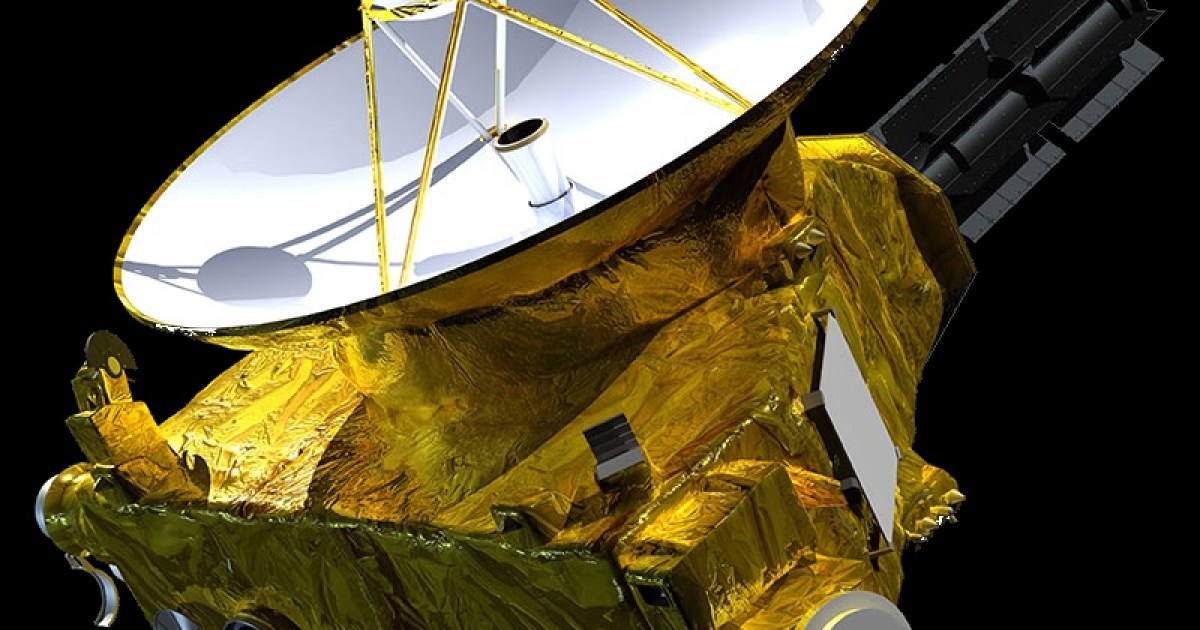
Launched in January 2006, NASA's New Horizons spacecraft achieved its primary mission objective on July 14, 2015, by arriving at Pluto. This marked the first time a spacecraft had the opportunity to study the dwarf planet up close. During its historic encounter, New Horizons conducted crucial measurements of Pluto's atmosphere and mapped its surface geology. The mission also involved observing Pluto's moons and investigating the dwarf planet's interior structure. These observations provided further support for existing theories about Pluto's composition and internal workings. The data gathered by New Horizons has significantly advanced our understanding of this distant celestial body and its system.
The New Horizons mission to Pluto, culminating on July 14, 2015, represents a significant milestone in planetary exploration, demonstrating humanity's capacity for deep-space scientific inquiry. The successful data collection from such a distant and previously unexamined world highlights the long-term value of ambitious space programs. As we look towards the next decade, such missions will continue to be vital for understanding the formation and evolution of our solar system, providing crucial context for exoplanetary studies and the search for life beyond Earth. The insights gained from Pluto's complex geology and atmosphere offer a unique window into the diverse processes that shape planetary bodies across the cosmos.
AI-generated to prompt reflection — not editorial opinion, not advice, not a statement of fact. How this works.