New Human Body Atlas Maps DNA Organization in Cells, Offering Disease Clues
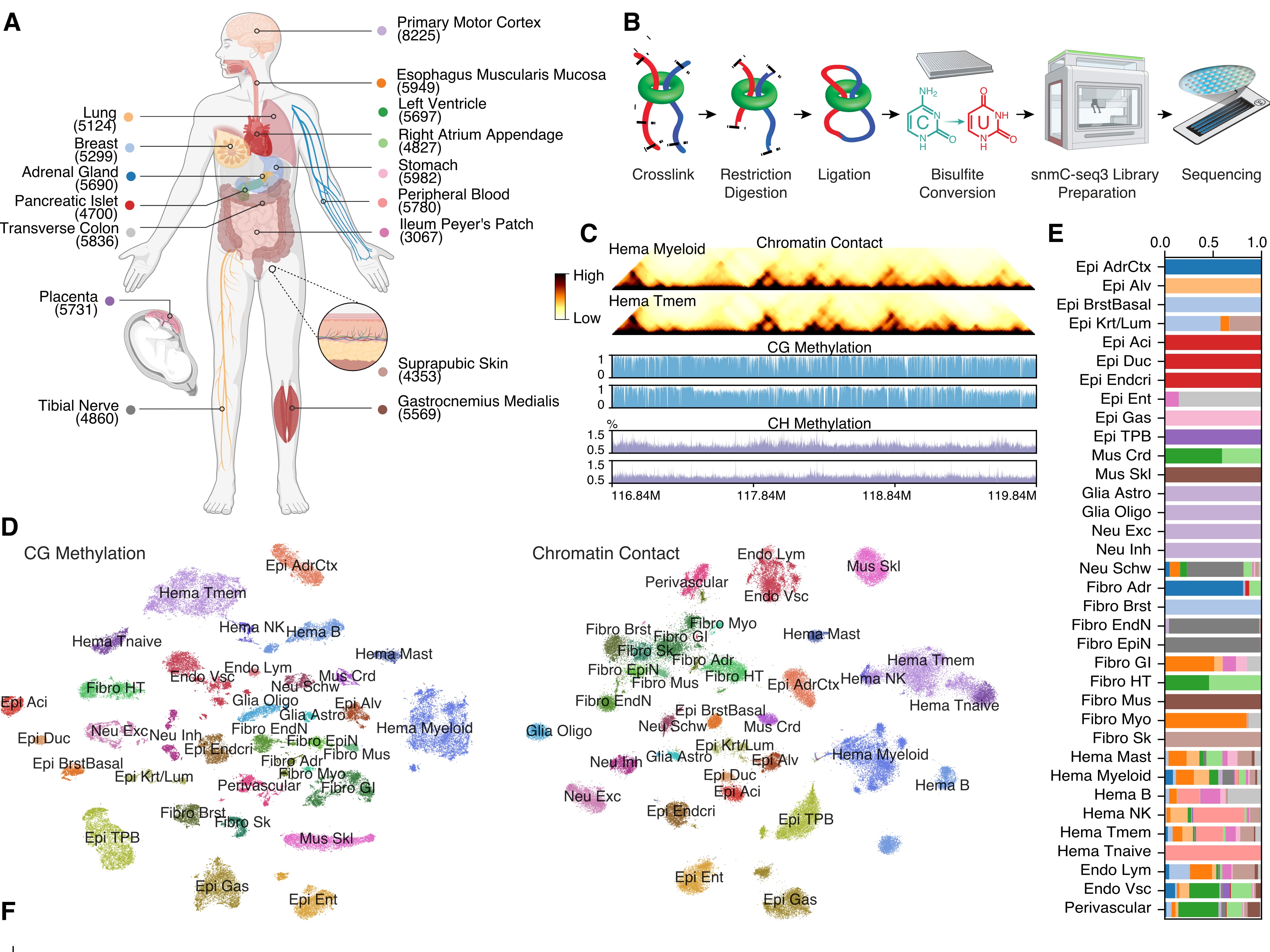
Researchers at the Salk Institute have developed a novel atlas of the human body, detailing the three-dimensional organization of DNA within individual cells. This groundbreaking map integrates the spatial arrangement of DNA with its epigenetic markers, which are crucial chemical modifications that influence gene activity. The team analyzed over 86,000 human cells to construct this comprehensive resource. The atlas provides unprecedented insight into how genes are regulated and how disruptions in this organization can lead to various diseases. By visualizing the intricate architecture of DNA and its associated epigenetic landscape, scientists aim to better understand the fundamental mechanisms of cellular function. This work opens new avenues for investigating the origins of numerous illnesses. The detailed mapping is expected to accelerate research into genetic disorders and complex diseases. Ultimately, this project seeks to provide a deeper understanding of cellular biology and its implications for human health.
This research represents a significant advancement in our understanding of cellular architecture and gene regulation. By mapping the three-dimensional organization of DNA and its epigenetic modifications, scientists are creating a foundational tool for disease research. This objective approach moves beyond descriptive biology to functional genomics, potentially identifying novel therapeutic targets. The development of such detailed atlases, driven by large-scale data analysis, highlights the increasing power of computational biology. Future applications may involve personalized medicine, where an individual's specific DNA organization could inform treatment strategies. The challenge will be translating these complex spatial and epigenetic insights into actionable clinical interventions, navigating the intricate interplay between genetic code and cellular function.
AI-generated to prompt reflection — not editorial opinion, not advice, not a statement of fact. How this works.