New Injectable HIV Prevention Drug Shows High Acceptance in Brazilian Study
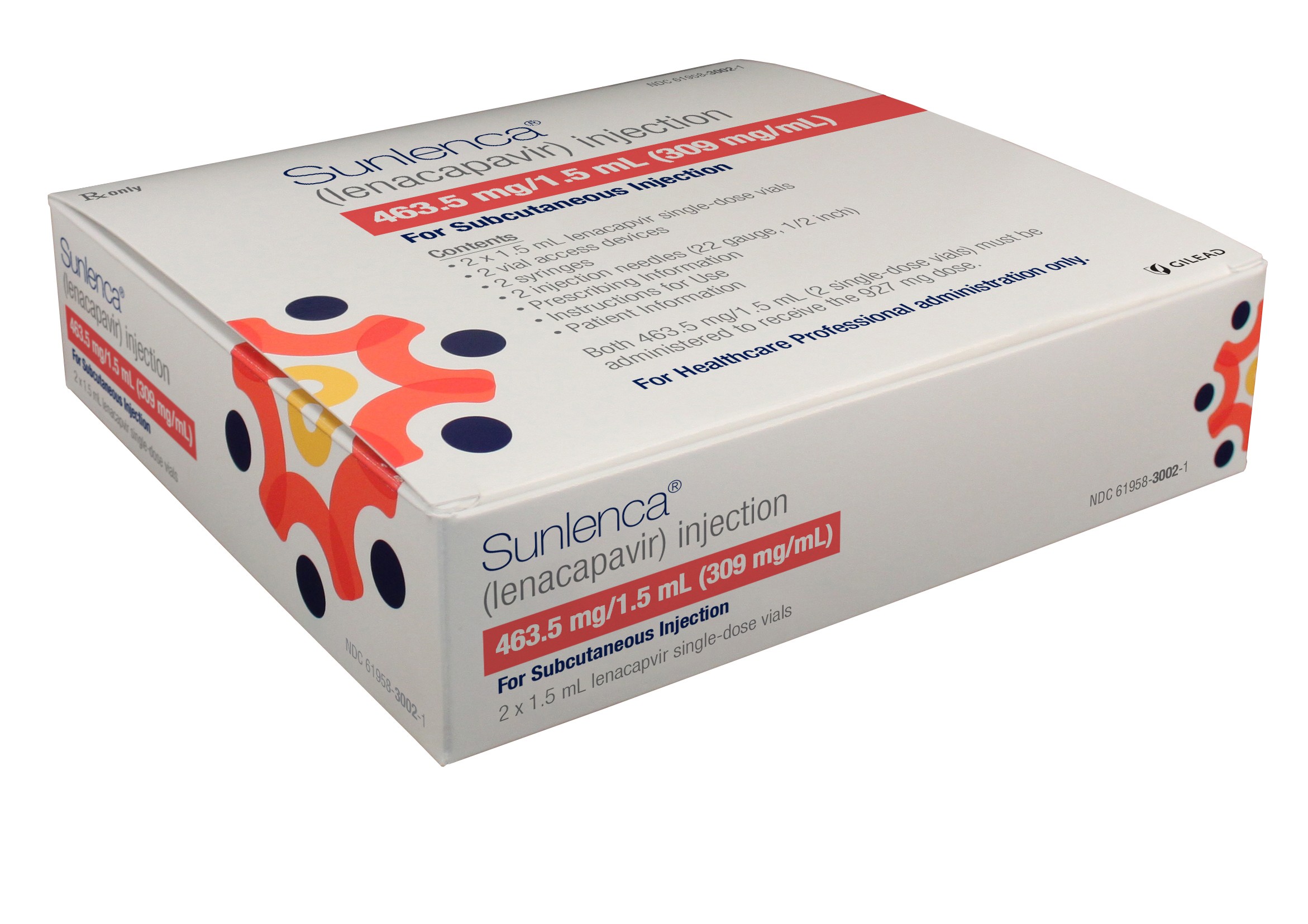
A new injectable pre-exposure prophylaxis (PrEP) for HIV, administered only twice a year, has demonstrated high acceptance among participants in a Brazilian study conducted by the Oswaldo Cruz Foundation (Fiocruz). Out of 668 eligible volunteers, 651 (97%) opted for lenacapavir injections every six months over the daily oral PrEP already available through the Unified Health System (SUS). This preliminary data from the ImPrEP LEN-Brazil study, the first implementation study of lenacapavir in Latin America, will be presented at AIDS 2026 in Rio de Janeiro. The study aimed to assess if a long-acting injectable option could reach individuals struggling with daily oral PrEP adherence. Notably, 78.3% of participants starting lenacapavir had never used any form of PrEP before, highlighting its potential to expand prevention access. While the drug, branded as Sunlenca, received Anvisa approval in January 2026, it is not yet available in Brazil. The Ministry of Health has attempted to negotiate its supply with manufacturer Gilead, but has not reached an agreement due to pricing concerns, with the government unwilling to pay what it deems an excessive cost compared to other countries. Gilead stated it is following Brazilian pricing and evaluation processes and is exploring regional access strategies with the Pan American Health Organization. Lenacapavir works by targeting the virus's capsid, disrupting multiple stages of the HIV lifecycle and offering prolonged protection, making it a significant advancement over daily oral medications.
This study highlights a significant potential shift in HIV prevention strategies, driven by technological innovation offering improved convenience and efficacy. The high acceptance rate of the injectable PrEP suggests a strong demand for long-acting biomedical interventions, particularly among populations facing adherence challenges with daily regimens. However, the current impasse over pricing and accessibility raises critical questions about equitable distribution of advanced medical technologies. The Brazilian government's stance underscores the tension between pharmaceutical innovation and public health affordability, emphasizing the need for sustainable pricing models that balance industry incentives with national healthcare capacities. Future access to such groundbreaking treatments will likely depend on collaborative negotiations and regulatory frameworks that prioritize both scientific advancement and broad public benefit, especially within the context of global health equity goals.
AI-generated to prompt reflection — not editorial opinion, not advice, not a statement of fact. How this works.