New Injection Prompts Cartilage Repair, Reversing Osteoarthritis in Animals
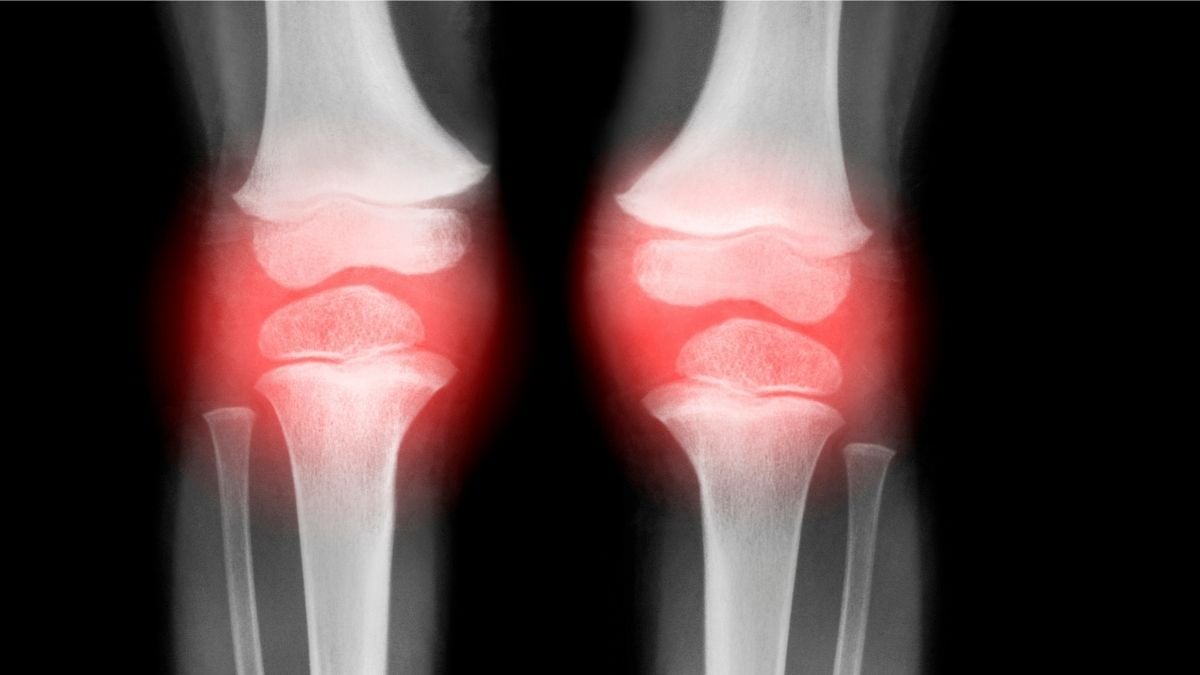
A groundbreaking single injection has demonstrated the ability to reverse osteoarthritis in animal subjects within a mere four weeks. The treatment works by stimulating the body's natural processes to encourage cartilage repair itself. This development offers a promising new avenue for treating a condition that affects millions worldwide. Osteoarthritis is characterized by the breakdown of cartilage in joints, leading to pain, stiffness, and reduced mobility. Current treatments often focus on managing symptoms rather than repairing the underlying damage. The success in animal models suggests a potential paradigm shift in how osteoarthritis could be treated in the future. Further research and clinical trials will be necessary to determine its efficacy and safety in humans. This innovation could significantly improve the quality of life for individuals suffering from this debilitating joint disease.
This research presents a novel therapeutic approach for osteoarthritis, potentially shifting treatment from symptom management to regenerative repair. The rapid efficacy observed in animal models, achieving reversal in just four weeks, highlights the potential for a significant advancement in joint health. Future human trials will be critical to assess the translation of these animal findings, considering factors like dosage, long-term effects, and potential immunogenicity. The underlying mechanism, promoting self-repair of cartilage, aligns with broader trends in regenerative medicine and could offer a more sustainable solution compared to current palliative or surgical interventions. Evaluating the economic viability and accessibility of such a treatment will be crucial for its widespread adoption.
AI-generated to prompt reflection — not editorial opinion, not advice, not a statement of fact. How this works.