New internet route boosts Roraima's network capacity significantly
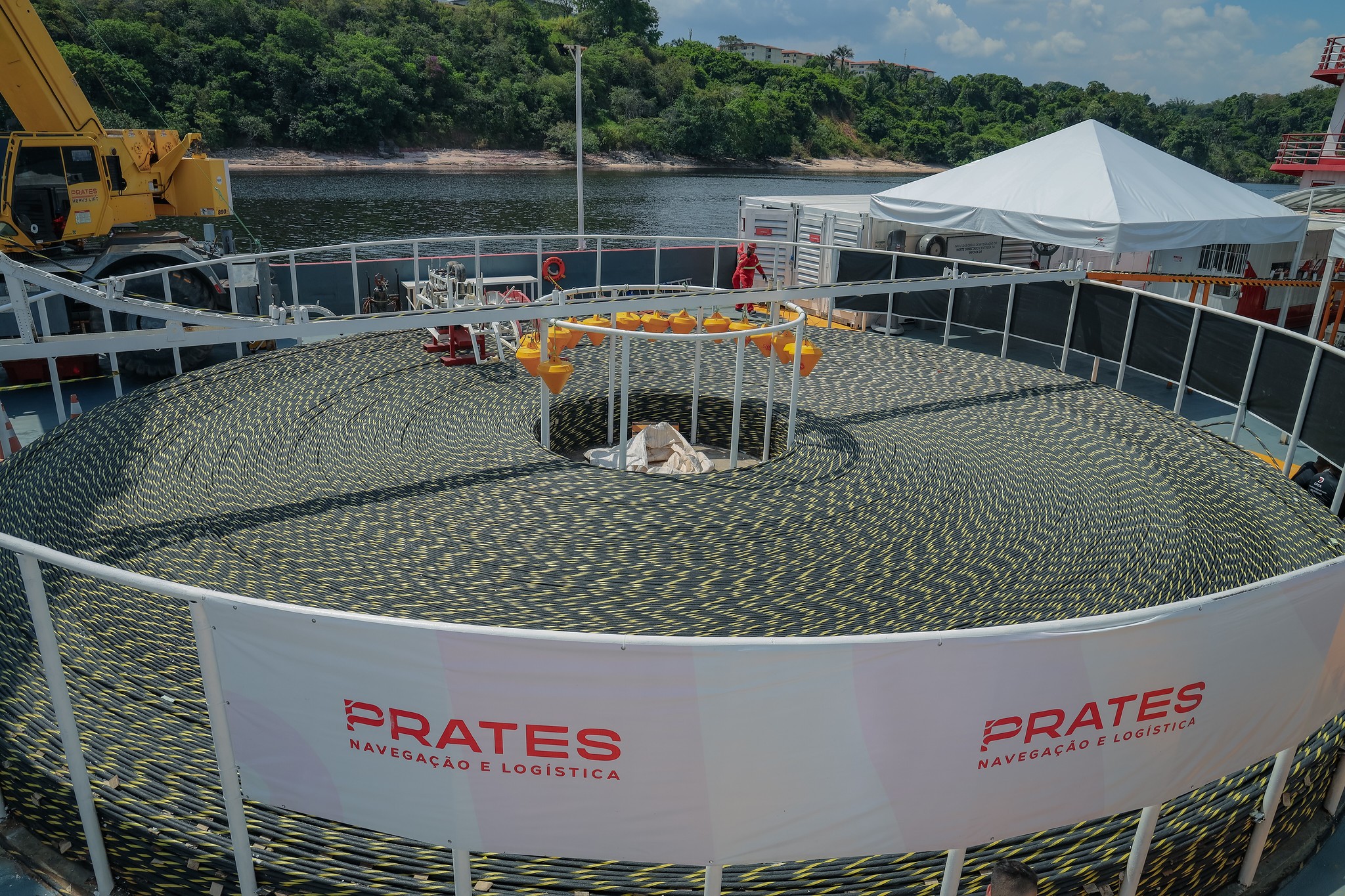
Communications Minister Frederico de Siqueira Filho inaugurated Infovia 04 in Boa Vista, Roraima, on Thursday, October 2nd. This new fiber optic connectivity route, part of the Norte Conectado program, is designed to substantially increase internet capacity in the state and reduce service interruptions. Infovia 04 functions as a high-capacity data highway, not directly connecting homes but enhancing the network infrastructure used by public entities and internet service providers. The data transmission capacity in Roraima is set to jump from 300 gigabits per second (Gb/s) to an impressive 96 terabits per second (Tb/s). This upgrade will enable the network to handle more simultaneous users with greater stability, improving access for residents and businesses. Minister Siqueira Filho emphasized that local internet providers will be key in distributing this enhanced capacity to end-users, ensuring better quality internet for homes, small businesses, and public service entities. The 647-kilometer Infovia 04 utilizes fiber optic cables, with 515 kilometers laid underwater in Amazonian rivers, linking Boa Vista to Vila de Moura, passing through Caracaraí and Santa Maria do Boiaçu. The project aims to extend fiber optic connectivity to essential services like public schools, universities, hospitals, and city halls. Coordinated by the Ministry of Communications and Anatel, and executed by the Entidade Administradora da Faixa (EAF), the infrastructure is expected to benefit approximately 460,000 people in the Amazon region. The cables are built to withstand submersion in rivers for at least 25 years.
The operationalization of Infovia 04 represents a significant infrastructure investment aimed at digital inclusion and economic development in Brazil's Amazon region. By dramatically increasing data transmission capacity and leveraging riverine routes, the project addresses historical connectivity challenges. The model's reliance on local providers for last-mile distribution highlights a public-private partnership approach, though its long-term success will depend on equitable access and competitive pricing for end-users. Looking ahead, such large-scale digital infrastructure projects are crucial for bridging the digital divide, enabling access to education, healthcare, and economic opportunities in remote areas, and will be a critical component of national development strategies in the coming decade.
AI-generated to prompt reflection — not editorial opinion, not advice, not a statement of fact. How this works.