New Italian Decree Halts 30% of Speed Cameras, Clarifies Approval Process
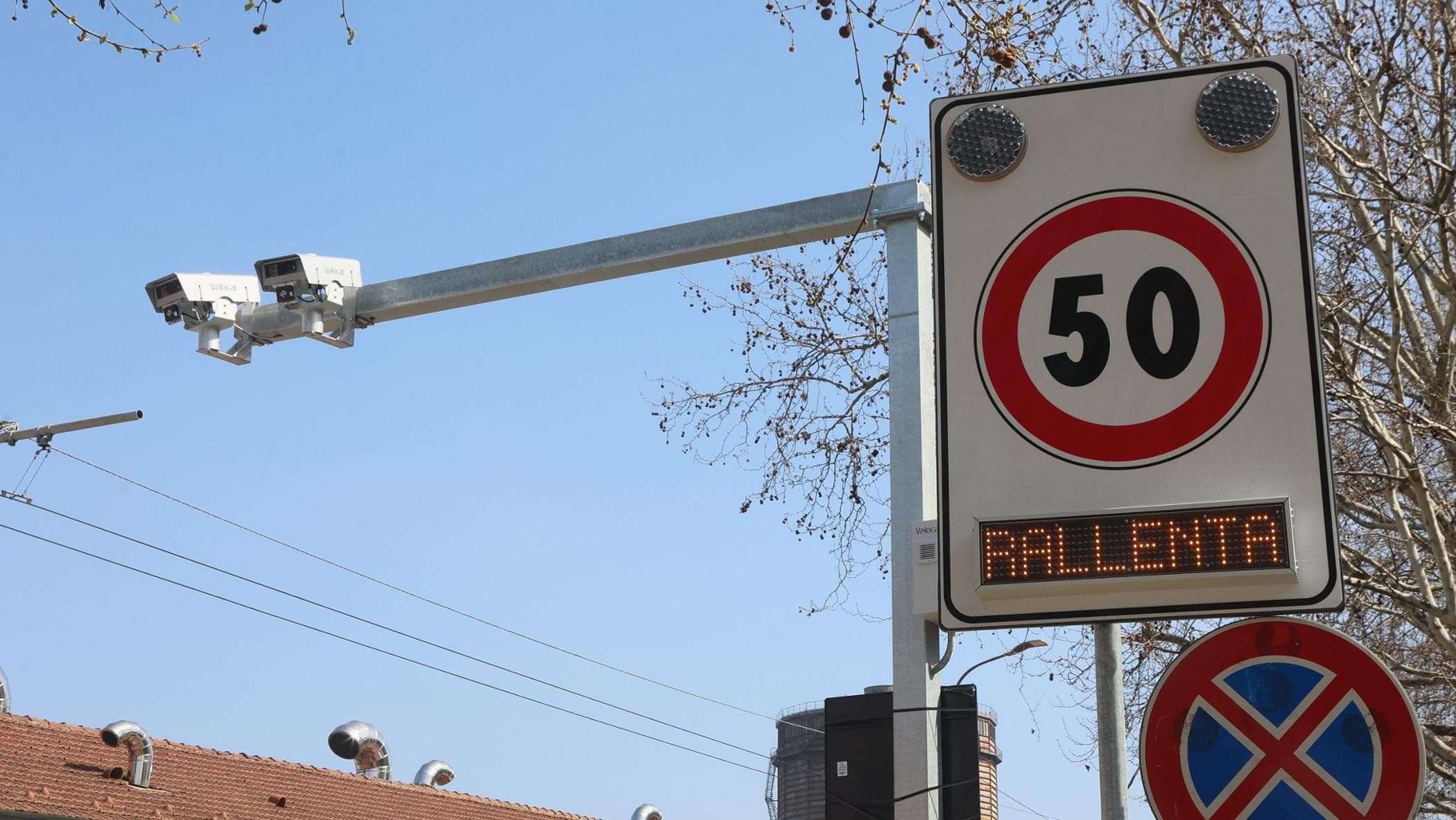
A new decree from the Italian Ministry of Infrastructure and Transport (MIT) is set to deactivate approximately 30% of the country's speed detection devices. This long-awaited measure, over 30 years in the making, addresses a critical legal ambiguity surrounding the approval of these speed cameras. The Italian Court of Cassation has consistently ruled that mere 'approval' of speed detection equipment was insufficient for their legal operation. The new decree finally establishes a clear procedure for the homologation, or official certification, of these devices. This clarification is expected to bring greater legal certainty and potentially improve road safety by ensuring only properly certified equipment is used. The previous lack of a defined homologation process had led to numerous legal challenges and the invalidation of speeding tickets issued by non-compliant devices.
The Italian government's move to mandate a rigorous homologation process for speed cameras addresses a systemic issue of legal uncertainty that has plagued enforcement for decades. By requiring official certification beyond simple approval, the decree aims to enhance the legitimacy and effectiveness of traffic law enforcement. This recalibration reflects a broader trend of increasing regulatory scrutiny on automated systems, driven by concerns over due process and technological reliability. Over the next decade, such measures will likely become more common as governments grapple with the proliferation of AI-driven monitoring technologies and their societal impact, seeking to balance public safety objectives with individual rights and technological standards.
AI-generated to prompt reflection — not editorial opinion, not advice, not a statement of fact. How this works.