New Jersey Aims to Destroy PFAS-Laced Firefighting Foam
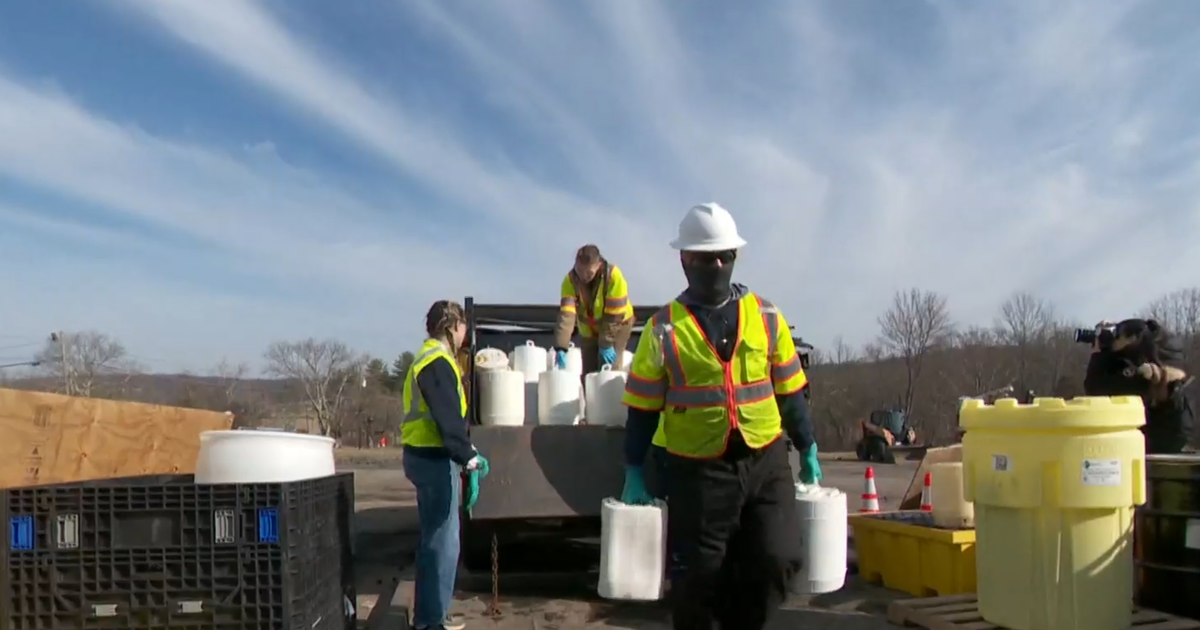
New Jersey is actively engaged in a statewide initiative to collect, remove, and destroy all aqueous film-forming foam (AFFF) containing per- and polyfluoroalkyl substances (PFAS). This effort places New Jersey among a growing number of states taking comprehensive action against these "forever chemicals." PFAS are known for their persistence in the environment and have been linked to various health concerns, including cancer. The foam, historically used in firefighting due to its effectiveness in extinguishing petroleum-based fires, poses a significant environmental and public health risk. The state's program aims to mitigate the spread of PFAS contamination by ensuring the proper disposal of this hazardous material. This proactive measure reflects a broader trend of states addressing the legacy of PFAS contamination from industrial and emergency response activities. The collection and destruction process is crucial for preventing further leaching of these chemicals into soil and water sources.
New Jersey's initiative to destroy PFAS-laden firefighting foam addresses a critical environmental and public health challenge stemming from the widespread historical use of AFFF. The state's proactive stance aligns with increasing regulatory pressure and public awareness regarding the long-term risks associated with PFAS contamination. This action highlights a systemic issue within emergency response protocols and industrial practices, where effective materials have inadvertently led to persistent environmental burdens. The focus on collection and destruction signifies a shift towards remediation and responsible waste management, aiming to prevent further ecosystem degradation and potential human health impacts. As other states and federal agencies also grapple with PFAS, New Jersey's efforts could serve as a model for comprehensive management strategies, balancing the need for effective firefighting capabilities with the imperative of environmental stewardship in the coming decade.
AI-generated to prompt reflection — not editorial opinion, not advice, not a statement of fact. How this works.