New Jersey Governor Signs "Power NJ Act" to Boost Advanced Nuclear Energy
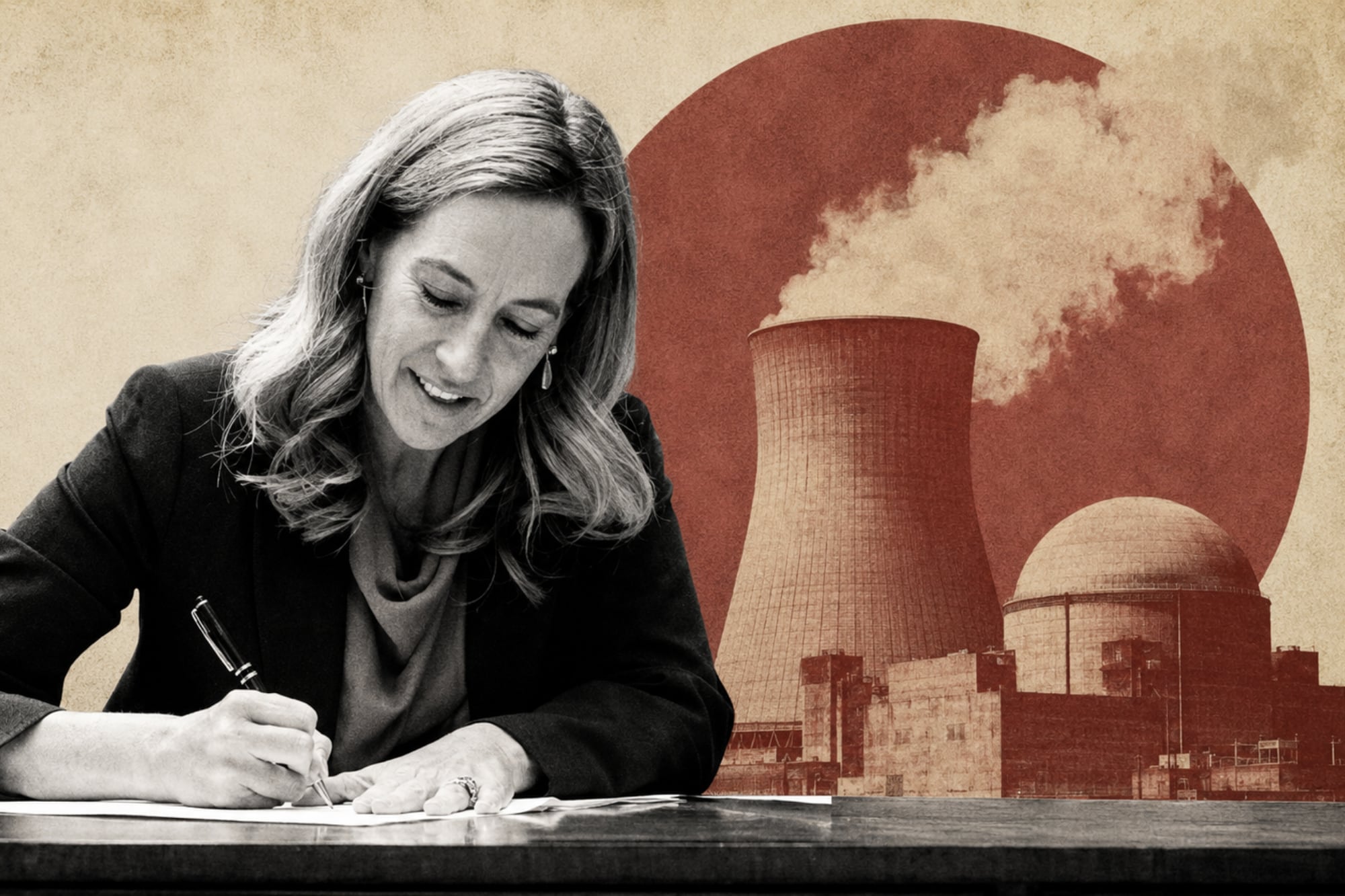
Governor Phil Murphy of New Jersey has signed the "Power NJ Act," a legislative initiative aimed at securing an affordable and safe energy future for the state. This new law will facilitate the integration of 1100 megawatts of advanced nuclear energy into the state's power grid. A key component of the act is its provision to shield energy consumers from potential cost overruns. The legislation is designed to enhance New Jersey's energy independence and reliability. It represents a significant step towards modernizing the state's energy infrastructure. The focus on advanced nuclear energy suggests a commitment to low-carbon power generation. This move is expected to contribute to New Jersey's climate goals while ensuring energy security. The act aims to balance the need for clean energy with the imperative of keeping costs manageable for residents and businesses.
The "Power NJ Act" signals a strategic pivot towards advanced nuclear power, aligning New Jersey with a growing global trend in low-carbon energy solutions. This move addresses the dual imperatives of energy security and climate change mitigation, seeking to balance them with consumer affordability. The integration of 1100 megawatts of advanced nuclear capacity suggests a long-term commitment to a stable, baseload power source, potentially reducing reliance on intermittent renewables or fossil fuels. Future considerations will likely involve the regulatory framework for advanced nuclear technologies, waste management strategies, and the economic competitiveness of nuclear power against other energy sources. This policy could position New Jersey as a leader in next-generation energy infrastructure, but its success will hinge on effective implementation and managing the inherent complexities and public perceptions associated with nuclear energy.
AI-generated to prompt reflection — not editorial opinion, not advice, not a statement of fact. How this works.