New Jersey License Plate Cameras: What Data They Collect and Why It's Controversial
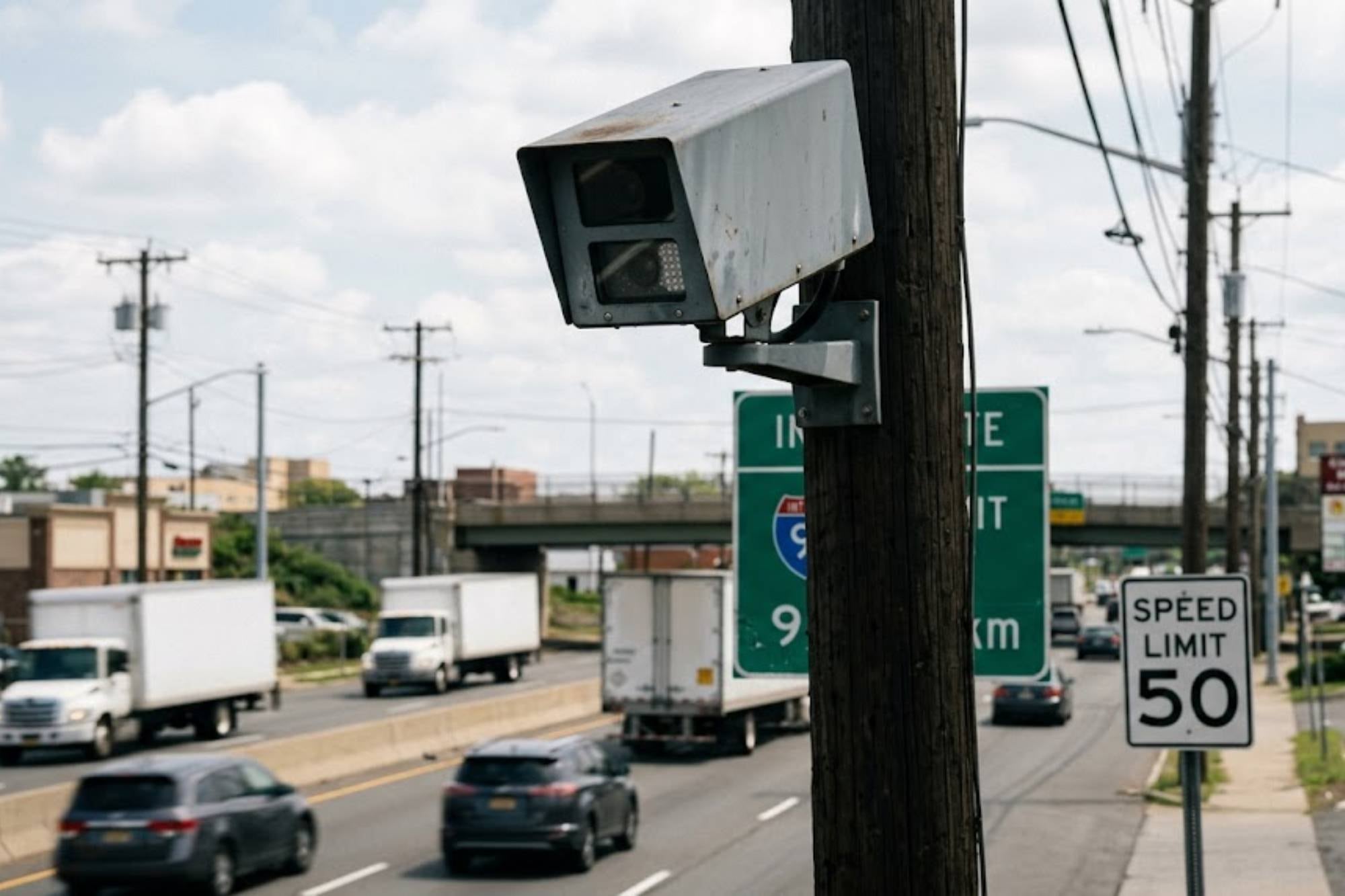
New Jersey is employing a network of license plate cameras to detect vehicles across the state. These cameras are designed to capture detailed information about the vehicles passing through, including their license plate numbers. The collected data is stored for a certain period, though the exact duration is a point of discussion. The implementation and operation of this surveillance technology have sparked considerable debate among residents and officials. Concerns revolve around privacy, data security, and the potential for misuse of the information gathered. Proponents argue that the cameras enhance public safety and aid in law enforcement investigations. However, critics question the extent of data collection and the implications for individual liberties. The ongoing discussion highlights the tension between security measures and the right to privacy in the digital age.
The deployment of license plate recognition cameras represents a common trade-off between public safety objectives and individual privacy rights. While such systems can be valuable tools for law enforcement in identifying vehicles linked to criminal activity or Amber Alerts, their data collection capabilities raise significant questions about potential overreach and the creation of extensive surveillance databases. The storage duration and accessibility of this data are critical governance issues. Future considerations should focus on establishing clear, transparent policies regarding data retention, access protocols, and independent oversight mechanisms to mitigate risks of misuse and ensure public trust, particularly as AI capabilities for analyzing such data continue to advance.
AI-generated to prompt reflection — not editorial opinion, not advice, not a statement of fact. How this works.