New Jersey Meteorite Offers Pristine Clues to Life's Origins
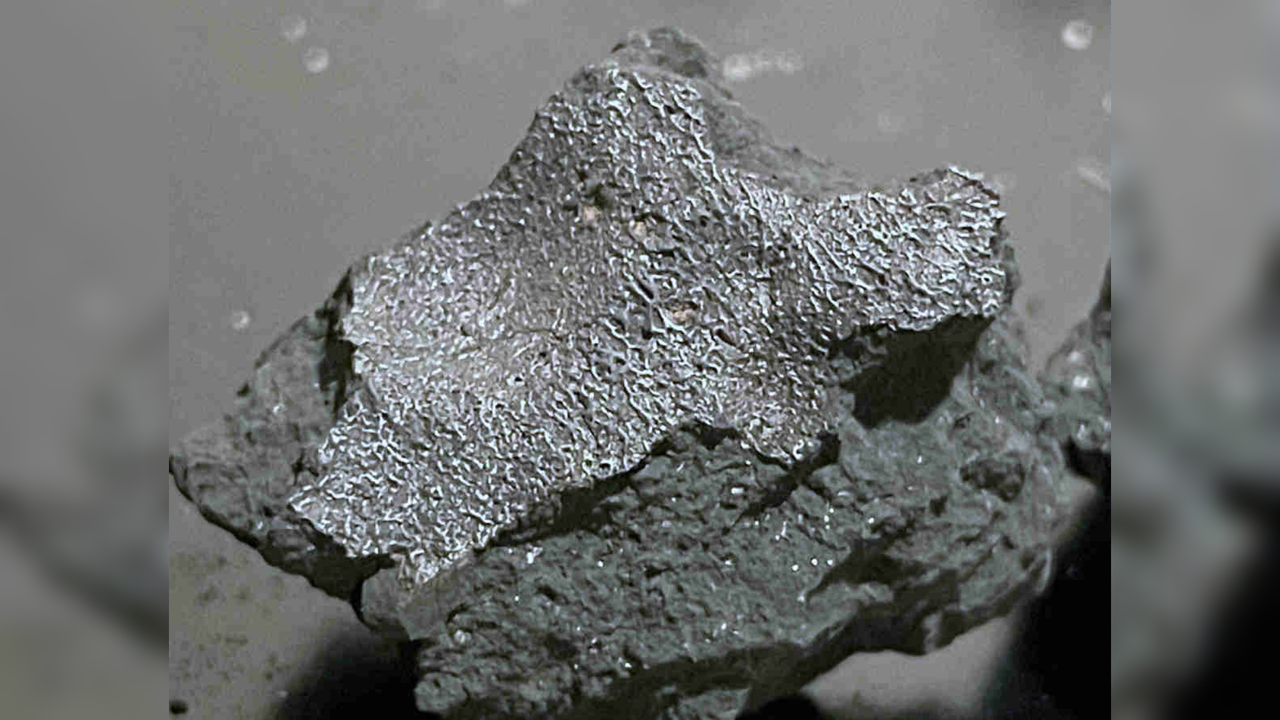
A meteorite that recently crashed through a New Jersey home is being hailed as the most pristine example of its kind ever discovered. Scientists are particularly excited about this specimen because of the homeowner's swift actions, which prevented significant contamination. The meteorite is classified as a CM1/2 type, a rare category known for its potential to hold ancient organic molecules. These molecules are considered crucial building blocks for life, making this find invaluable for understanding abiogenesis. Researchers believe that studying this meteorite could provide unprecedented insights into the chemical processes that led to life on Earth. The pristine nature of the sample means that its original composition is largely intact, offering a unique window into the early solar system. This discovery underscores the importance of preserving extraterrestrial materials for scientific research. Further analysis is expected to reveal detailed information about the conditions present during the formation of our solar system.
The discovery of this exceptionally well-preserved meteorite presents a significant opportunity for astrobiology and planetary science. Its pristine condition, attributed to the homeowner's prompt response, minimizes terrestrial contamination, thereby maximizing the scientific value of organic and mineralogical data. This finding could refine models of prebiotic chemistry and the delivery of essential molecules to early Earth. The event highlights the potential for unexpected scientific breakthroughs from terrestrial impacts, emphasizing the need for protocols that balance private property rights with the preservation of unique scientific resources. Future research will likely focus on isotopic analysis and molecular composition to reconstruct the meteorite's formation environment and its implications for the origins of life.
AI-generated to prompt reflection — not editorial opinion, not advice, not a statement of fact. How this works.