New land bank rules aim to utilize unused plots, but challenges remain
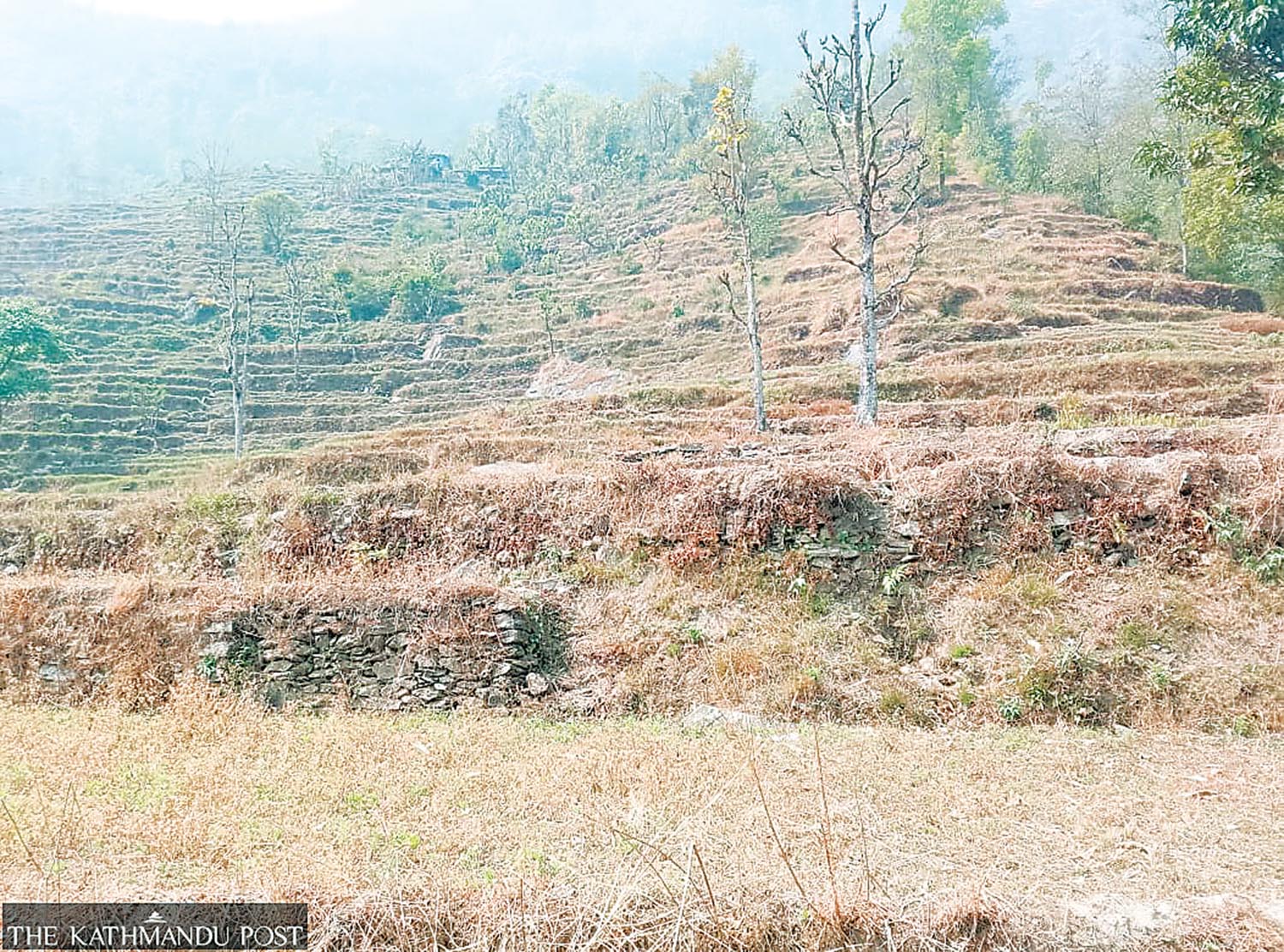
New federal regulations empower local authorities to manage unused land, a move intended to revitalize dormant plots. This initiative seeks to overcome previous obstacles that hindered similar efforts. Earlier attempts to repurpose idle land faced significant challenges, primarily due to regulatory gaps that complicated the process. The revised procedures are designed to provide a clearer framework for local governments to take control of and manage these underutilized properties. The goal is to unlock the potential of these lands for development and community benefit. However, despite the new rules, persistent challenges are expected to continue. The success of this program will depend on how effectively local units can navigate the complexities of land management and development. Overcoming these hurdles will be crucial for the revival of unused plots across the country.
The introduction of new federal rules for managing unused land represents a governmental effort to address urban blight and promote economic development. By decentralizing management to local units, the policy aims to increase responsiveness and efficiency. However, the historical precedent of regulatory gaps suggests that the effectiveness of these new procedures will hinge on robust implementation and enforcement mechanisms. Future challenges may arise from local capacity constraints, funding limitations, and potential conflicts with existing land-use regulations or private property rights. The long-term success will likely depend on fostering collaboration between different levels of government and private stakeholders, while proactively identifying and mitigating systemic risks that have plagued similar initiatives in the past.
AI-generated to prompt reflection — not editorial opinion, not advice, not a statement of fact. How this works.