New Logic Puzzle: Fill Grid Without Four Consecutive Symbols
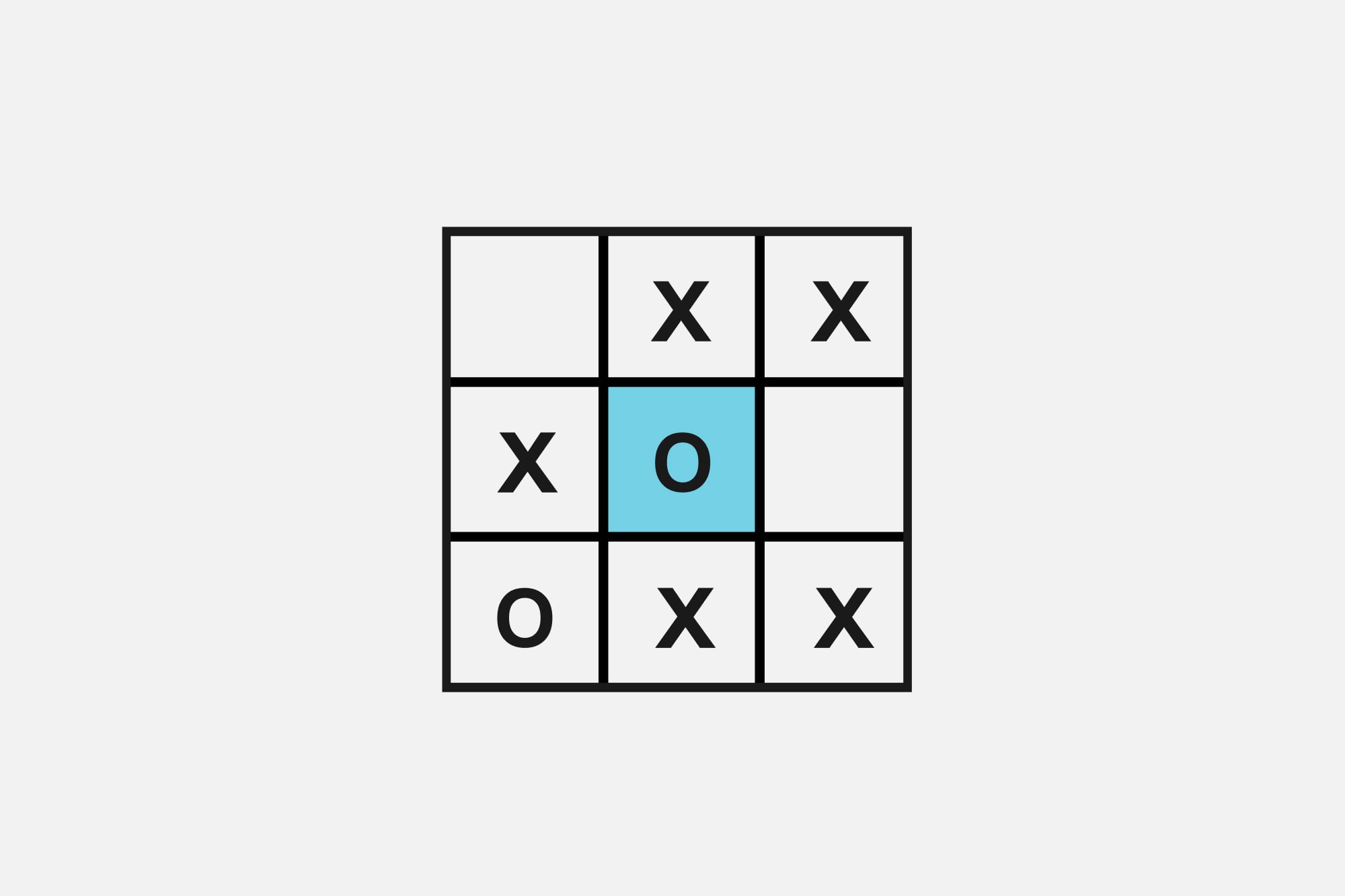
A new logic puzzle challenges players to fill a grid with circles or crosses. The objective is to place symbols in empty cells such that no row, column, or diagonal contains four identical symbols consecutively. The puzzle's name, 'Nunca cuatro', translates to 'Never four' in Spanish, directly referencing the core rule. No specific grid size or starting configuration was provided in the source material. The puzzle's mechanics are similar to other grid-based logic games that require deductive reasoning and pattern recognition. Players must strategically place symbols, considering the constraints imposed by the 'never four' rule across all possible lines of sight within the grid. Success depends on careful planning and the ability to anticipate the consequences of each placement.
This puzzle presents a combinatorial challenge governed by a simple, yet potent, constraint. The 'never four' rule, applied across multiple dimensions (rows, columns, diagonals), creates a complex state space where each symbol placement significantly impacts future possibilities. From a systems perspective, it highlights how localized rules can generate emergent global properties and intricate patterns. The puzzle's design encourages strategic thinking and foresight, mirroring the demands of complex problem-solving in fields like AI development or resource allocation, where limited actions have far-reaching consequences. It implicitly teaches players to consider potential future states and avoid local optima that might lead to rule violations.
AI-generated to prompt reflection — not editorial opinion, not advice, not a statement of fact. How this works.