New Material Allows Programmable Control Over Heat
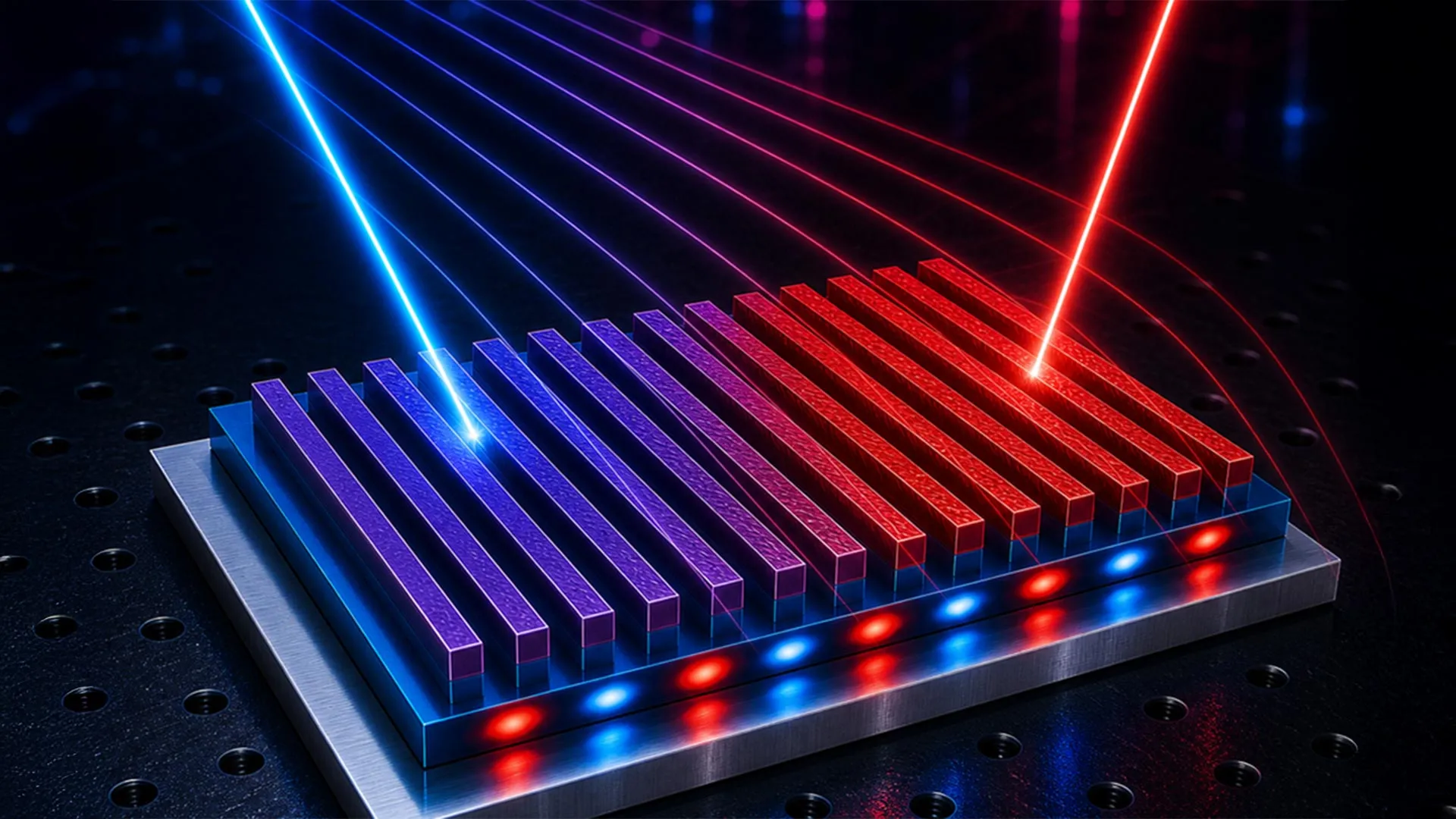
Scientists have developed an "incredible" new material capable of controlling and programming heat. This breakthrough allows the material to direct thermal radiation, switch between different modes, and retain its settings without requiring a constant power supply. The innovation holds significant potential for advancements in various technological fields. For instance, it could lead to the creation of smarter infrared sensors, which are crucial for applications ranging from defense to medical imaging. Furthermore, the material could pave the way for more efficient energy technologies, potentially improving energy storage or conversion systems. Another promising application lies in the development of novel memory devices. These devices could leverage light and heat to store information, offering an alternative to traditional electrical charge-based memory.
This development introduces a novel approach to thermal management, moving beyond passive insulation or active heating/cooling systems. The ability to "program" heat suggests a shift towards materials with dynamic, responsive thermal properties. This could have profound implications for energy efficiency, as systems could be designed to precisely manage heat flow only when and where needed, reducing waste. In the context of the AI era, such materials might enable more sophisticated sensing and data processing, potentially reducing the energy demands of complex computational tasks by managing heat more effectively. The long-term impact will depend on scalability, cost-effectiveness, and integration into existing technological frameworks.
AI-generated to prompt reflection — not editorial opinion, not advice, not a statement of fact. How this works.