New Military-Themed Park in Brazil Offers "Ordinary People" Tank Rides and Historical Exhibits
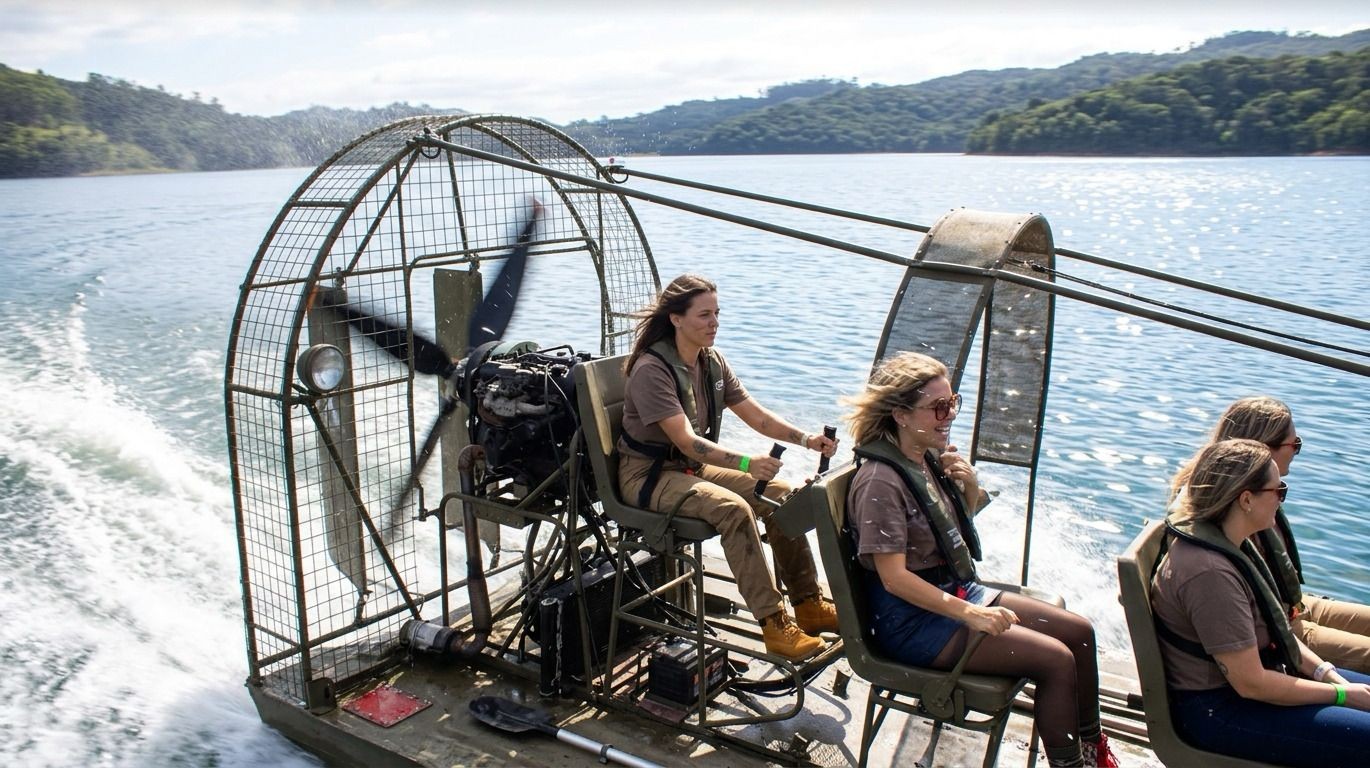
A new 150,000 m² theme park named Bravura Park has opened in Tijucas, Santa Catarina, Brazil, aiming to provide military experiences to the general public. Located near Florianópolis, the park offers attractions such as rides in armored vehicles and tanks, simulated military parachute jumps via zip line, and rides on airboats. It also features a tactical obstacle course and a shooting range with air pressure guns. For younger visitors, there are dedicated children's rides in small armored vehicles and a junior treetop adventure course. The park opened on Wednesday, July 22nd, with an initial visitor limit of 300 people per day to ensure an exclusive experience during its pre-opening phase. Bravura Park boasts what is claimed to be the largest military collection in Latin America, featuring over 5,000 historical pieces. This collection includes more than 190 military vehicles, 1,131 soldier utility items, and documents covering over 130 historical conflicts, all amassed by collector Dudevant dos Santos Teixeira. The park's CEO, Arthur Bianchi, described it as a unique, immersive military theme park, the first of its kind in Latin America, offering attractions typically found only abroad. The park operates from 9 AM to 5 PM and is situated at km 171 of the BR-101 highway. During the pre-opening period, admission costs R$69 for individuals aged 12 and above, R$52 for children aged 5 to 11, and is free for children under 5. Additional experiences are priced separately, ranging from R$25 to R$76. The park is scheduled to operate with visitor limits on specific dates through August 9th, after which further opening dates will be announced.
This military-themed park taps into a growing global trend of experiential entertainment, offering accessible, albeit simulated, encounters with military hardware and history. By framing these activities as "experiences for ordinary people," the park democratizes access to elements often associated with state power and conflict. The extensive collection of historical artifacts suggests an educational component, aiming to connect visitors with past events. However, the commercialization of military experiences, particularly those involving vehicles like tanks, raises questions about the normalization of militarism and its potential impact on public perception of conflict and security. Future analysis should consider how such attractions shape societal attitudes towards military affairs in an era increasingly defined by geopolitical tensions and technological advancements in warfare.
AI-generated to prompt reflection — not editorial opinion, not advice, not a statement of fact. How this works.